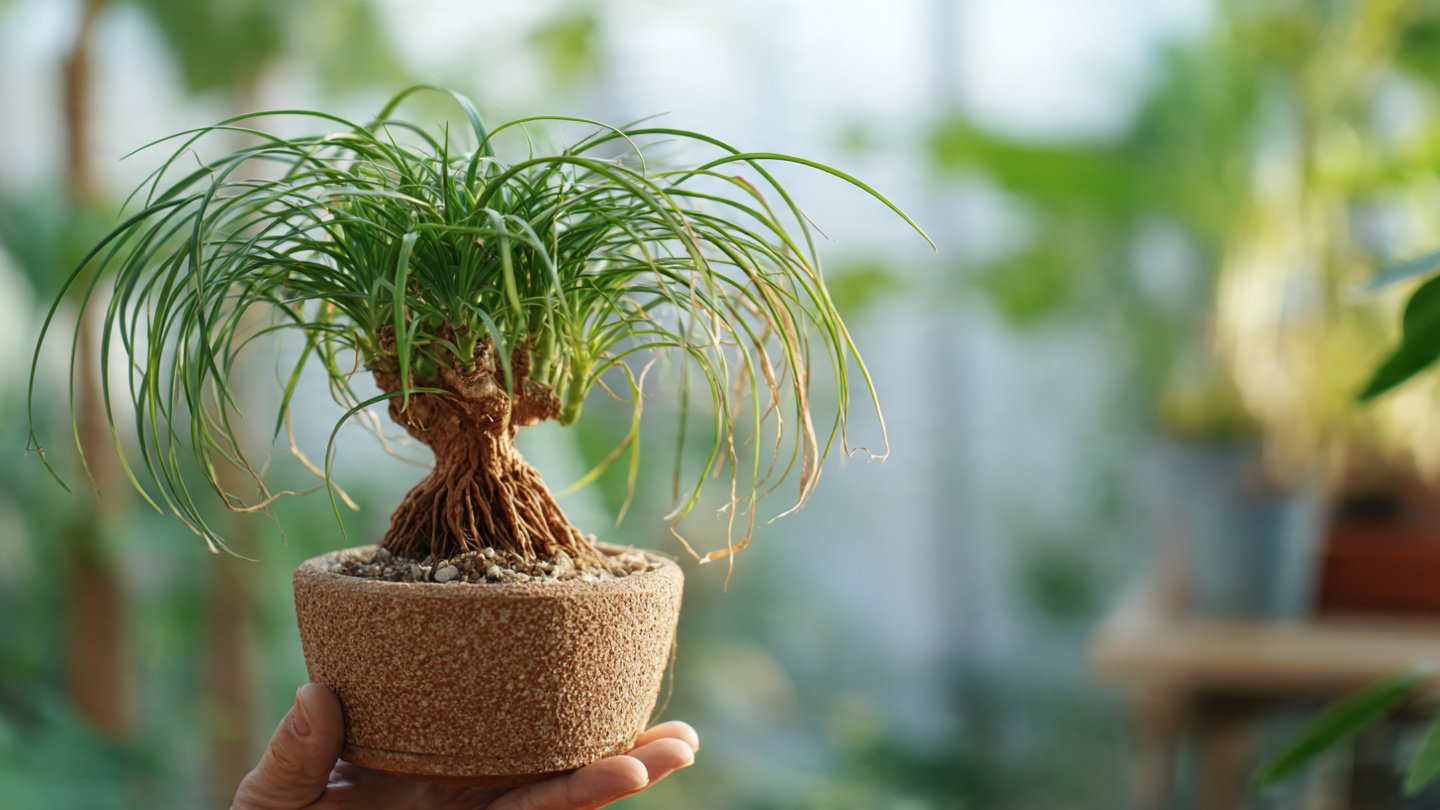
The Ponytail Palm (Beaucarnea recurvata) is a striking and low-maintenance plant that adds elegance and a touch of tropical charm to any garden or home. Despite its palm-like appearance, it is actually a succulent, making it drought-tolerant and ideal for gardeners looking for a beautiful yet low-effort plant. While many people grow Ponytail Palms in pots indoors, this guide will show you how to effortlessly grow Ponytail Palm in soil in your garden or larger outdoor containers. With the right soil, watering, and care, you can enjoy a healthy, flourishing plant year-round.
Why Grow Ponytail Palm in Soil?
Growing Ponytail Palm in soil rather than a container offers several advantages:
- Natural growth: Roots can expand freely, supporting larger, healthier plants.
- Less frequent watering: Soil-grown plants retain moisture efficiently, reducing watering needs.
- Striking appearance: Outdoors, the plant can develop a fuller caudex (trunk) and longer leaves.
- Durability: Outdoor soil planting provides better stability for taller growth.
- Low maintenance: Requires minimal attention while adding a tropical touch to your garden.
Whether you want a single accent plant or a group for landscape design, soil planting is ideal for long-term growth.
Choosing the Right Location
The location you choose plays a crucial role in the health and beauty of your Ponytail Palm:
- Sunlight: Full sun is preferred, though partial shade is tolerated. A minimum of 4–6 hours of direct sunlight is ideal.
- Space: Allow room for the caudex to expand and leaves to arch gracefully. Space at least 60–90 cm from walls or other plants.
- Protection: Young plants benefit from protection against strong winds, which can damage long leaves.
- Drainage: Avoid areas where water pools, as overly wet soil can lead to root rot.
Selecting the right site ensures your Ponytail Palm thrives effortlessly in soil.
Choosing Healthy Plants
Start with healthy seedlings or young Ponytail Palms to set the stage for effortless growth:
- Look for bright green, firm leaves without signs of yellowing or browning.
- Check that the caudex is plump and firm—this is a sign of good hydration and vigor.
- Avoid plants with damaged roots, leaves, or stems.
- Seedlings or young plants with a strong root system establish faster in soil.
A healthy start ensures long-term success with minimal maintenance.
Preparing the Soil
Ponytail Palms are succulents and require well-draining soil to thrive:
- Mix garden soil with sand or perlite (about 50:50 ratio) to ensure proper drainage.
- Incorporate compost or organic matter to provide nutrients without retaining excessive moisture.
- Ensure the planting area is slightly raised if your garden soil tends to retain water.
- Avoid heavy clay soils that trap water and cause root rot.
Well-prepared soil encourages strong root growth, a healthy caudex, and lush leaf development.
Planting Ponytail Palm in Soil
Planting is simple and can be done in a few easy steps:
- Dig a hole: Make it slightly wider and deeper than the plant’s root ball.
- Position the plant: Place the caudex above soil level to prevent waterlogging at the base.
- Backfill: Fill around the roots with prepared soil, gently firming it to eliminate air pockets.
- Water lightly: Give the plant a small initial watering to settle the soil, but avoid saturating.
- Mulching (optional): Apply a thin layer of gravel or organic mulch around the base to retain moisture and reduce weeds, keeping it away from the caudex.
Proper planting sets the foundation for effortless growth and strong, healthy development.
Watering Your Soil-Grown Ponytail Palm
One of the benefits of growing Ponytail Palm is its low water requirement:
- Frequency: Water deeply but infrequently. Allow the soil to dry completely between watering.
- Young plants: Require slightly more attention, about once every 1–2 weeks depending on climate.
- Mature plants: Water once a month during dry periods.
- Winter care: Reduce watering significantly during cooler months when growth slows.
Proper watering ensures a plump caudex, vibrant leaves, and a resilient plant.
Fertilization
Ponytail Palms grow well with minimal feeding, but occasional fertilization promotes healthy growth:
- Use a balanced, slow-release fertilizer or cactus/succulent fertilizer once in spring and mid-summer.
- Avoid over-fertilization, which can cause excessive leaf growth at the expense of caudex development.
- Organic options like compost tea or diluted liquid fertilizer can also be applied once a month during active growth.
With minimal effort, your plant will flourish and maintain its elegant appearance year-round.
Pruning and Maintenance
Ponytail Palms require very little pruning, but occasional care improves aesthetics:
- Remove dead, yellowing, or brown leaves at the base.
- Trim damaged tips to maintain a tidy appearance.
- Avoid cutting the caudex, as this can harm the plant.
Routine light maintenance keeps your plant looking neat and ensures energy is directed to healthy growth.
Protecting from Pests and Diseases
While hardy, Ponytail Palms can occasionally face minor issues:
- Scale insects: Remove manually or treat with horticultural oil.
- Mealybugs: Wipe leaves with a cotton swab dipped in rubbing alcohol or use neem oil.
- Root rot: Prevent by ensuring excellent drainage and avoiding overwatering.
- Fungal problems: Minimal in well-drained soil, but keep the base of the plant dry.
Proactive monitoring ensures your plant stays healthy and stress-free.
Seasonal Care
Adjust care based on seasonal growth patterns:
- Spring and Summer: Encourage growth with occasional fertilization and regular sunlight exposure.
- Autumn: Reduce watering as growth slows and remove fallen leaves.
- Winter: Minimize watering and protect young plants from frost if in cooler climates.
Adapting care to seasonal needs keeps the Ponytail Palm thriving effortlessly all year.
Landscaping Tips
Ponytail Palms are versatile and can enhance your garden design in multiple ways:
- Focal point: Plant a single tree as a centerpiece in lawns or rock gardens.
- Groupings: Cluster multiple plants for dramatic visual impact.
- Container companion: Surround with gravel or small succulents to highlight its unique structure.
- Borders or pathways: Dwarf varieties can line walkways for a tropical aesthetic.
- Indoor/outdoor transition: Young plants can start in pots and later be transplanted into soil for mature growth.
With thoughtful placement, the Ponytail Palm can transform any garden space into a visually appealing tropical retreat.
Final Thoughts
Growing Ponytail Palm in soil is a simple, low-effort way to enjoy this elegant plant’s beauty and charm. By selecting healthy seedlings, preparing well-draining soil, providing occasional watering and fertilizer, and performing minimal maintenance, gardeners can cultivate a striking, long-lasting feature in their gardens.
Whether you’re a beginner or an experienced gardener, this easy method ensures your Ponytail Palm thrives effortlessly, adding tropical elegance, structural beauty, and a touch of sophistication to your outdoor space for years to come.