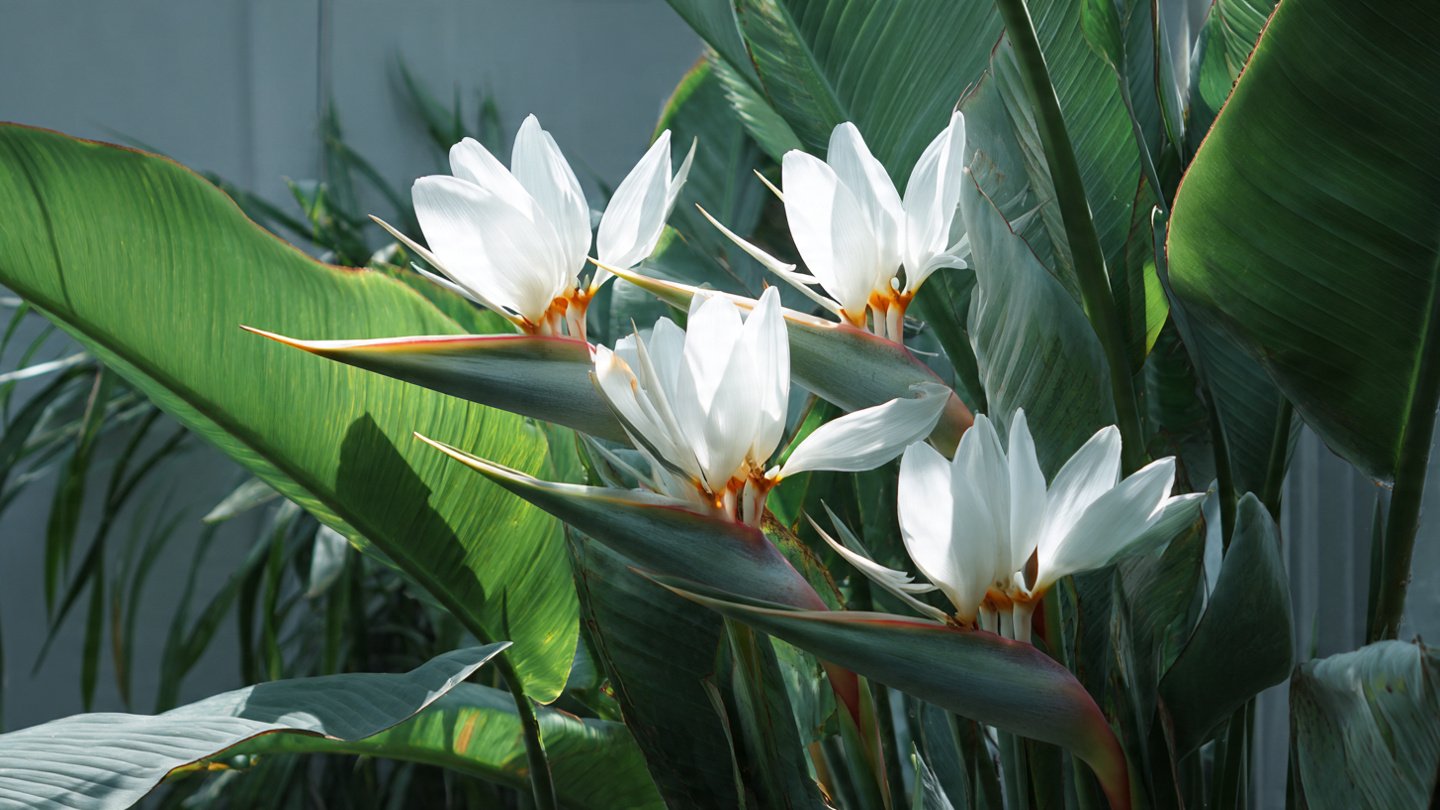
The White Bird of Paradise (Strelitzia nicolai) is a stunning tropical plant prized for its large, banana-like leaves and dramatic white-and-blue flowers that resemble a bird in flight. Its lush, architectural form makes it a favorite for gardens, patios, and outdoor landscapes. Unlike its smaller cousin, the Orange Bird of Paradise, the White Bird of Paradise can reach impressive heights, sometimes up to 20–30 feet, making it an excellent choice for statement plants in your yard.
Growing this tropical beauty outdoors can be highly rewarding, but it requires understanding its specific climate, soil, and care requirements. In this guide, we’ll walk you through the best methods to grow White Bird of Paradise outside, ensuring healthy growth, vibrant foliage, and spectacular blooms.
Understanding the White Bird of Paradise
Before planting, it’s essential to understand the characteristics and needs of the White Bird of Paradise:
- Growth Habit: Upright, clumping, with broad leaves that fan out dramatically.
- Flowering: White petals with striking blue tongues, emerging on tall stalks once the plant matures, typically after 3–5 years.
- Climate Preference: Warm, tropical, or subtropical climates. Hardy in USDA Zones 9–11.
- Sun Requirements: Full sun to partial shade. Bright sunlight encourages blooms, while some shade protects leaves from scorching in hotter climates.
- Water Needs: Moderate; prefers evenly moist soil but can tolerate short periods of drought once established.
By understanding these traits, gardeners can create ideal conditions for White Bird of Paradise to thrive outdoors.
Step 1: Choosing the Best Location
The right location is crucial for outdoor success:
- Sunlight Exposure:
- Full Sun: Encourages vigorous growth and more flowers.
- Partial Shade: Protects leaves from scorching in extremely hot regions.
- Wind Protection: The large leaves can be damaged by strong winds. Plant near a wall, fence, or natural windbreak for protection.
- Space Considerations: These plants spread widely at the base. Leave 5–10 feet of space around the plant for proper air circulation and growth.
- Soil Drainage: Avoid low-lying areas where water tends to collect. Good drainage prevents root rot and ensures healthy growth.
Outdoor White Bird of Paradise plants thrive best in warm, sunny, and sheltered locations.
Step 2: Preparing the Soil
Healthy soil is the foundation of a thriving White Bird of Paradise:
- Soil Type: Loamy, rich in organic matter, and slightly acidic to neutral (pH 6.0–7.5).
- Soil Amendments: Mix compost or well-rotted manure into the planting hole to provide nutrients and improve drainage.
- Drainage Layer: If soil is heavy clay, consider adding sand or small gravel to enhance drainage. This prevents waterlogging, which can cause root rot.
A well-prepared planting site ensures strong root development and sets the stage for rapid growth.
Step 3: Planting the White Bird of Paradise
Follow these steps for successful outdoor planting:
- Dig a Hole: Dig a hole twice the width of the plant’s root ball and as deep as the container.
- Add Amendments: Mix compost into the removed soil and backfill partially after placing the plant.
- Planting Depth: Ensure the top of the root ball is level with the surrounding soil. Planting too deep can suffocate roots.
- Water Thoroughly: Water immediately after planting to help settle the soil and eliminate air pockets.
- Mulching: Apply a 2–3 inch layer of mulch around the base to retain moisture and regulate soil temperature. Keep mulch a few inches away from the stem to prevent rot.
Proper planting technique reduces transplant shock and encourages rapid establishment outdoors.
Step 4: Watering and Irrigation
White Bird of Paradise plants require consistent moisture, especially during the first year:
- Establishment Phase: Water deeply 2–3 times per week, depending on rainfall and temperature. The soil should remain moist but not soggy.
- Mature Plants: Once established, water once a week during dry periods. These plants tolerate short droughts but grow best with consistent moisture.
- Irrigation Tips: Drip irrigation or soaker hoses are ideal for outdoor planting. Avoid overhead watering, which can encourage fungal diseases on leaves.
Proper watering supports leaf development, flower production, and overall plant health.
Step 5: Fertilization
Fertilizing your White Bird of Paradise encourages lush foliage and vibrant blooms:
- Balanced Fertilizer: Use a 10-10-10 NPK fertilizer or one specifically for flowering tropical plants.
- Frequency: Fertilize every 6–8 weeks during the growing season (spring through early fall).
- Slow-Release Option: Apply a slow-release fertilizer in spring to provide nutrients for several months.
- Micronutrients: Ensure the fertilizer contains magnesium, iron, and manganese for healthy green leaves and preventing yellowing.
Proper nutrition is key to helping the plant reach its full outdoor potential.
Step 6: Pruning and Maintenance
Maintaining your White Bird of Paradise ensures it remains healthy and attractive:
- Remove Dead Leaves: Trim yellowing or damaged leaves at the base to prevent pests and disease.
- Flower Stalks: After flowers fade, cut stalks down to the base to redirect energy to leaf growth.
- Dividing Clumps: Every few years, divide clumps to control size, rejuvenate growth, and propagate new plants.
- Leaf Care: Dust leaves occasionally to maintain photosynthesis efficiency and keep the plant looking lush.
Routine pruning promotes vigorous growth and improves flowering potential.
Step 7: Pest and Disease Management
Outdoor White Bird of Paradise plants can encounter pests and diseases if not properly cared for:
- Common Pests: Aphids, mealybugs, scale insects, and spider mites.
- Control Methods: Use insecticidal soap, neem oil, or manually remove pests. Encourage beneficial insects like ladybugs.
- Fungal Diseases: Overwatering and poor airflow can cause leaf spot or root rot. Proper spacing, mulching, and watering techniques minimize risks.
- Regular Inspection: Check leaves, stems, and flowers weekly to catch problems early.
Healthy plants grown under optimal conditions rarely suffer severe pest or disease issues.
Step 8: Encouraging Outdoor Flowering
One of the most sought-after features of White Bird of Paradise is its spectacular flowers:
- Sunlight: Full sun encourages flower production. Partial shade reduces flowering potential.
- Maturity: Expect blooms 3–5 years after planting outdoors. Patience is key.
- Pruning and Fertilization: Adequate nutrition and pruning old flower stalks help the plant focus energy on new blooms.
- Stress for Flowering: Mild stress, like slightly less frequent watering, can sometimes trigger flowering in mature plants.
Outdoor flowering requires consistent care, optimal light, and the right balance of water and nutrients.
Step 9: Winter Care
In regions with cold winters, protecting White Bird of Paradise is crucial:
- Frost Sensitivity: The plant is not frost-tolerant. Cover with frost cloths or blankets if temperatures drop below 30°F (-1°C).
- Container Plants: Consider planting in large pots that can be moved indoors during winter.
- Mulch Protection: Thick mulch around the base insulates roots from cold.
- Pruning: Remove any frost-damaged leaves to maintain plant health in early spring.
In mild climates, minimal protection is needed, and the plant may remain evergreen year-round.
Step 10: Propagation for Outdoor Gardens
White Bird of Paradise can be propagated to expand your outdoor garden:
- Division: Separate clumps from mature plants and replant them in prepared soil. This is the fastest method.
- Seeds: Soak seeds in warm water for 24 hours to encourage germination. Plant in trays, then transplant seedlings outdoors.
- Timing: Propagate in spring or early summer for optimal growth before cooler weather sets in.
Propagation ensures a steady supply of plants for expanding your outdoor landscape.
Conclusion
The White Bird of Paradise is a tropical marvel that brings a dramatic, exotic touch to any outdoor space. By following these steps—choosing the right location, preparing soil, planting correctly, watering, fertilizing, pruning, and managing pests—you can grow this magnificent plant successfully in your garden.
Patience is key, especially if you want to enjoy its iconic white-and-blue flowers. With proper care, your outdoor White Bird of Paradise will thrive, providing lush greenery, stunning flowers, and a striking centerpiece for years to come.
Whether you’re designing a tropical garden, creating a backyard oasis, or simply looking for an impressive plant to grow outdoors, the White Bird of Paradise rewards gardeners with beauty, resilience, and elegance. Start today, and watch as this majestic plant transforms your outdoor space into a tropical paradise.