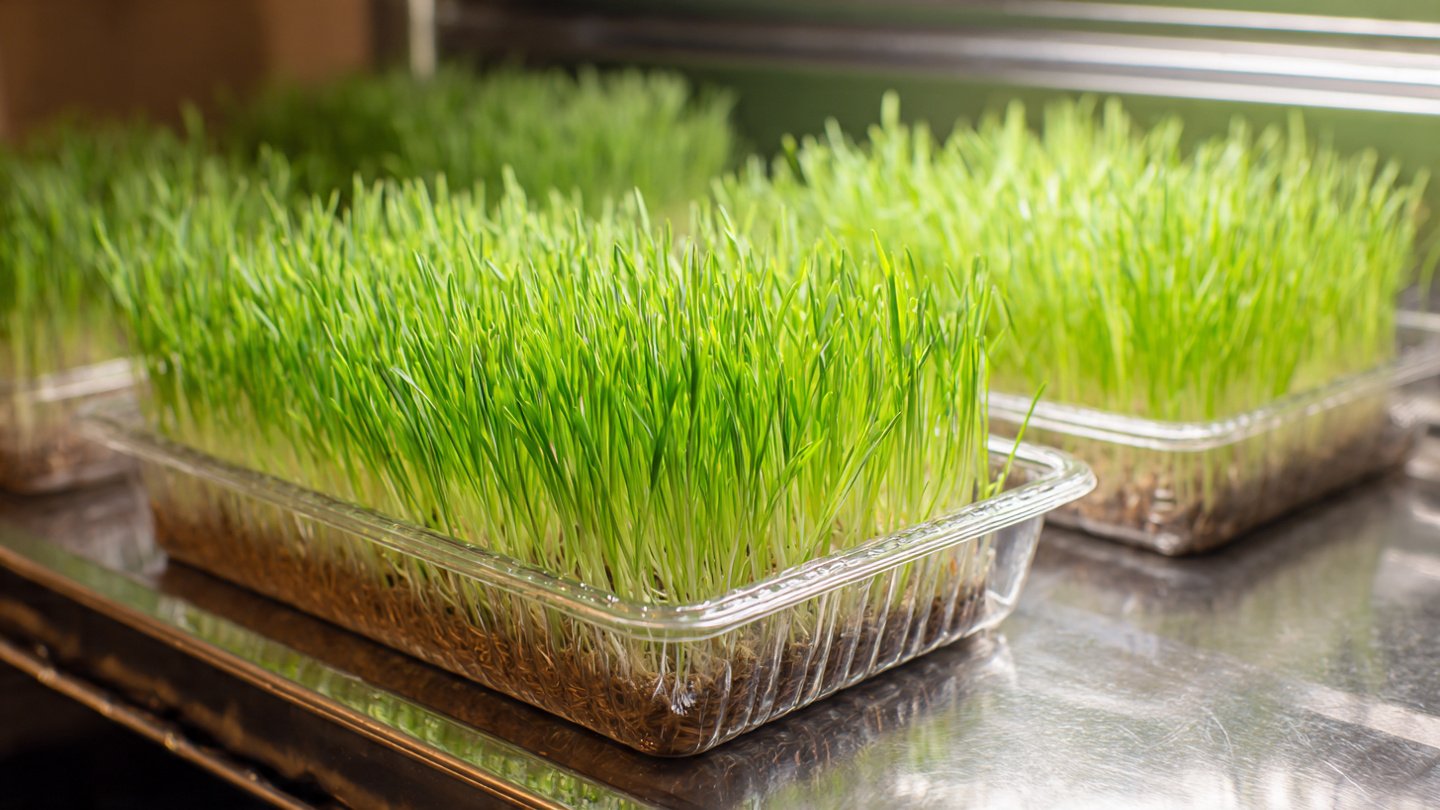
Growing your own nutritious food at home doesn’t require a large garden or advanced gardening skills. One of the easiest and most rewarding options is wheatgrass grown in trays. Known for its rich nutrient profile and fast growth, wheatgrass can be harvested in as little as 7–10 days, making it a perfect choice for beginners, apartment dwellers, and health-conscious individuals.
With minimal space, basic materials, and simple care, you can enjoy a continuous supply of fresh wheatgrass right from your home. This guide will walk you through everything you need to know—from selecting seeds to harvesting lush green blades—using an easy, tray-based method.
Why Grow Wheatgrass at Home?
Wheatgrass is valued worldwide as a natural source of vitamins, minerals, enzymes, and antioxidants. When grown at home, it offers several advantages:
- Guaranteed freshness and purity
- No pesticides or harmful chemicals
- Cost-effective compared to store-bought wheatgrass
- Convenient access for daily consumption
- Simple and fast growing cycle
Growing wheatgrass in trays also allows you to control the environment, ensuring healthy growth regardless of outdoor conditions.
Understanding Wheatgrass Growth Basics
Wheatgrass is grown from whole wheat seeds and harvested at an early stage, usually when the shoots reach 6–8 inches in height. At this stage, the grass contains peak nutritional value and tender texture.
It thrives in:
- Moderate temperatures
- Bright, indirect light
- Shallow containers
- Consistently moist growing medium
Because of its shallow root system, wheatgrass is perfectly suited for tray cultivation.
Materials You Will Need
Before you begin, gather these basic supplies:
- Whole wheat seeds (organic or untreated)
- Shallow growing trays with drainage holes
- A tray or plate to catch excess water
- Growing medium (soil or coco peat)
- Clean water
- Spray bottle
Optional items include compost, vermicompost, or a thin layer of mulch to enhance growth.
Choosing the Right Tray
Tray selection plays an important role in successful wheatgrass growth.
- Depth: 1.5–2 inches is ideal
- Width: Any size works, depending on available space
- Material: Plastic, metal, or biodegradable trays all work well
- Drainage: Essential to prevent root rot
Shallow trays encourage dense, even growth and make harvesting easier.
Preparing the Seeds
Seed preparation improves germination and ensures uniform growth.
- Rinse wheat seeds thoroughly to remove dust.
- Soak them in clean water for 8–10 hours or overnight.
- Drain and rinse again before sowing.
Soaking activates the seeds and helps them sprout faster once planted.
Preparing the Growing Medium
Wheatgrass is not demanding when it comes to soil, but it does require good moisture retention and drainage.
A simple growing mix can include:
- Garden soil or potting soil
- Coco peat for moisture retention
- A small amount of compost or vermicompost
Fill the tray with about 1–1.5 inches of the growing medium and level the surface gently.
Sowing the Seeds
Once your tray and seeds are ready, it’s time to plant.
- Spread the soaked seeds evenly across the surface.
- Seeds should be close but not stacked on top of each other.
- Lightly press them into the soil.
- Cover with a thin layer of soil or coco peat.
- Mist gently with water.
Avoid burying seeds too deeply, as this can delay or reduce germination.
Germination and Early Care
During the first 2–3 days, wheatgrass focuses on sprouting roots.
- Keep the tray in a warm place away from direct sunlight.
- Mist the surface once or twice daily to keep it moist.
- Avoid overwatering; damp soil is sufficient.
Once sprouts appear, move the tray to a bright area with indirect sunlight.
Light and Water Requirements
Light and moisture are the two most important factors for healthy wheatgrass.
Light
- Bright, indirect sunlight is ideal
- Near a window, balcony, or shaded outdoor area works well
- Avoid harsh midday sun, which can dry out shoots
Water
- Water lightly once or twice a day
- Use a spray bottle to avoid disturbing roots
- Ensure excess water drains freely
Consistent moisture encourages tender, vibrant green blades.
Growth Timeline
One of the most appealing aspects of wheatgrass is how quickly it grows.
- Day 1–2: Germination begins
- Day 3–4: Shoots become visible
- Day 6–7: Grass reaches 4–6 inches
- Day 8–10: Ready for harvest
Under good conditions, wheatgrass grows evenly and densely across the tray.
Harvesting Wheatgrass Correctly
Harvesting at the right time ensures maximum nutritional value.
- Use clean scissors or a sharp knife
- Cut just above the soil line
- Harvest when blades are 6–8 inches tall
Wheatgrass is usually harvested once, as regrowth is weaker and less nutritious. After harvesting, the soil can be composted or reused for non-edible plants.
Storage and Use
Freshly harvested wheatgrass is best consumed immediately.
- Rinse thoroughly before use
- Use in juices, smoothies, or powdered form
- If needed, store in an airtight container in the refrigerator for up to 2 days
Fresh wheatgrass has a mild, grassy flavor and blends well with fruits and vegetables.
Common Problems and Solutions
Even though wheatgrass is easy to grow, minor issues may occur.
- Mold on soil surface: Improve airflow and reduce watering
- Yellowing blades: Increase light exposure
- Uneven growth: Spread seeds more evenly next time
Most problems are easily corrected with small adjustments.
Final Thoughts
Growing wheatgrass in trays is one of the simplest and most efficient ways to produce a highly nutritious food source at home. With minimal space, low cost, and fast results, it’s an ideal option for anyone looking to add fresh greens to their daily routine.
By following this easy tray-growing method, you can enjoy clean, healthy wheatgrass whenever you need it—straight from your own home. With just a little care and consistency, wheatgrass cultivation can become a rewarding habit that supports both wellness and self-sufficiency.