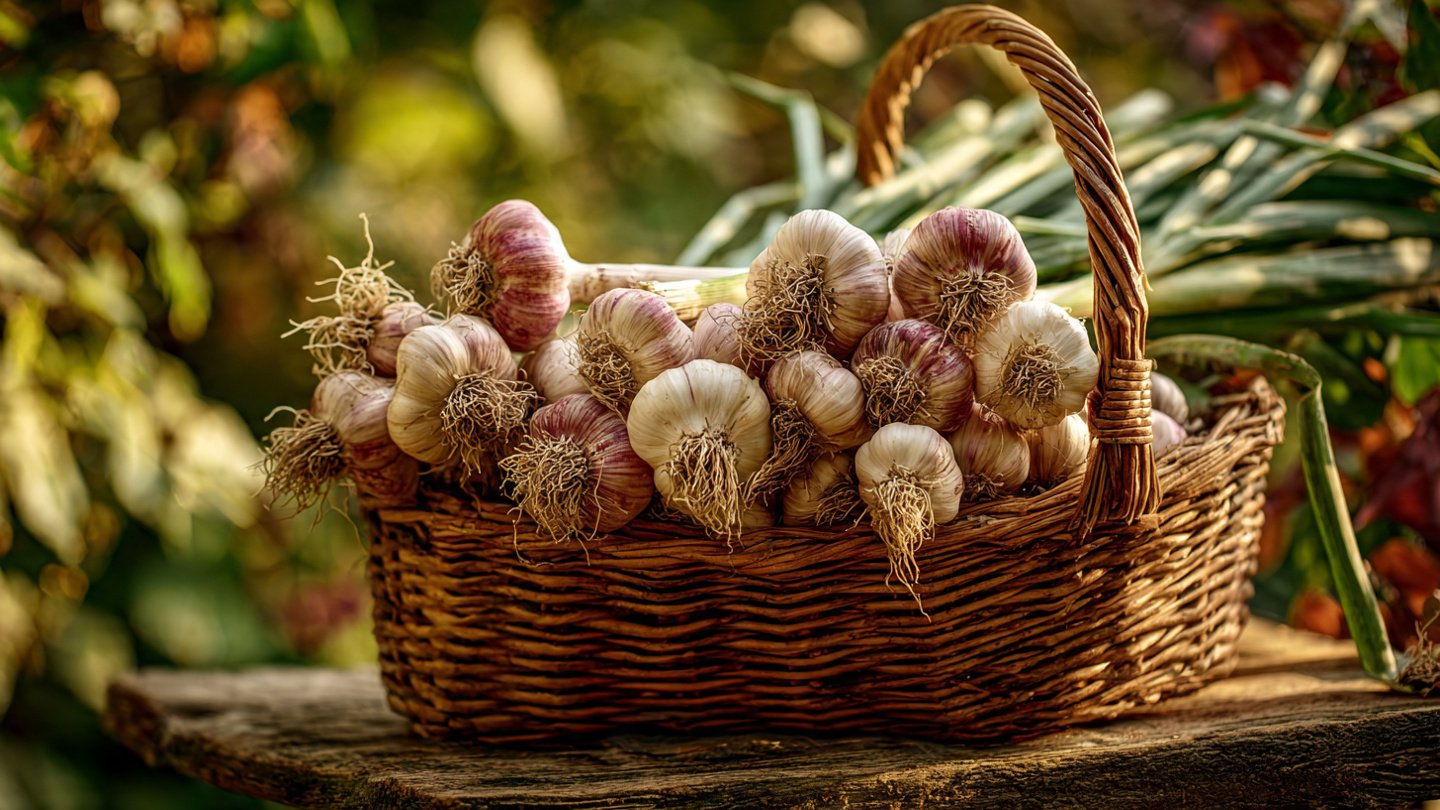
Garlic is one of the most versatile and widely used ingredients in kitchens around the world. Beyond its culinary appeal, garlic is praised for its medicinal properties, including immune-boosting and heart-health benefits. Growing garlic at home is not only rewarding but also surprisingly easy, even for beginners. By cultivating garlic in your garden or containers, you can enjoy fresh, aromatic bulbs without relying on store-bought varieties that may be treated with preservatives.
This step-by-step guide will take you through everything you need to know to grow garlic at home successfully—from choosing the right variety to harvesting, storing, and even troubleshooting common problems.
Understanding Garlic Varieties
Before planting, it is essential to choose the right type of garlic. Garlic is generally divided into two main categories:
- Hardneck Garlic: These varieties produce a stiff central stalk, called a scape, and tend to have a robust flavor. They are ideal for colder climates and include types like Rocambole, Purple Stripe, and Porcelain. Hardneck garlic is easy to peel and produces fewer but larger cloves.
- Softneck Garlic: These varieties have a more flexible stalk and are commonly found in grocery stores. They are well-suited for warmer climates and long-term storage. Softneck types include Artichoke and Silverskin garlic. They typically produce more cloves per bulb.
Choosing the right variety depends on your climate, taste preference, and intended use. For beginners, softneck garlic is often recommended because it is easier to grow and stores longer.
Preparing the Planting Site
Garlic grows best in well-drained, fertile soil with a slightly acidic to neutral pH (6.0–7.0). Here are the steps to prepare your planting site:
- Choose a Sunny Spot: Garlic requires full sun for at least 6–8 hours per day. A location with good airflow helps prevent fungal diseases.
- Clear Weeds and Debris: Remove weeds, rocks, and other debris to reduce competition for nutrients and ensure healthy bulb development.
- Enrich the Soil: Mix compost, well-rotted manure, or organic fertilizer into the soil. Garlic is a heavy feeder, and nutrient-rich soil will support larger bulbs.
- Ensure Drainage: Garlic roots can rot in waterlogged soil. Raised beds or mounded rows improve drainage and prevent fungal problems.
Proper site preparation is critical for healthy growth and a bountiful harvest.
Selecting and Preparing Garlic Cloves
Garlic is grown from cloves rather than seeds. To prepare for planting:
- Choose Healthy Bulbs: Select firm, disease-free bulbs with no signs of mold or soft spots. Avoid using garlic from the supermarket if it has been treated with growth inhibitors.
- Separate Cloves: Break bulbs into individual cloves, keeping the papery skins intact. Each clove will grow into a new bulb.
- Select the Largest Cloves: Plant the largest cloves for the best chance of producing full-sized bulbs. Small cloves can be planted but may produce smaller bulbs.
Proper preparation of cloves ensures strong initial growth and reduces the risk of disease.
Planting Garlic
Planting garlic at the right time and depth is essential for successful growth:
- Timing: Garlic is usually planted in the fall (2–4 weeks before the first frost) for a summer harvest. In mild climates, it can also be planted in early spring.
- Spacing: Plant cloves 4–6 inches apart in rows spaced 12–18 inches apart. This spacing allows for sufficient airflow and room for bulb development.
- Depth: Plant cloves with the pointed end facing up, about 2 inches deep. Cover with soil and gently firm it down.
- Watering: Water thoroughly after planting to help the roots establish, but avoid waterlogging.
Fall planting allows garlic to establish roots before winter and produce larger bulbs the following summer.
Caring for Garlic Plants
Once planted, garlic requires consistent care to thrive:
Watering
Garlic prefers consistently moist soil, especially during the early growth phase. Water deeply once a week, adjusting for rainfall. Reduce watering as the bulbs mature to prevent rot.
Fertilization
Side-dress with compost or a balanced fertilizer every 4–6 weeks. Nitrogen-rich fertilizers promote leafy growth, which is essential for bulb development.
Mulching
Apply a thick layer of straw, leaves, or grass clippings to retain soil moisture, suppress weeds, and protect bulbs during cold weather. Mulching also helps regulate soil temperature.
Pest and Disease Management
Common garlic pests include onion thrips, nematodes, and aphids. Diseases like white rot or downy mildew can also affect plants. Regular monitoring, proper spacing, crop rotation, and removing affected leaves help prevent infestations and infections.
Harvesting Garlic
Timing and technique are key to harvesting garlic successfully:
- Monitor Leaf Growth: Garlic is usually ready to harvest when 60–70% of the leaves have turned yellow or brown, typically 7–8 months after planting.
- Lift Bulbs Carefully: Use a garden fork or trowel to gently lift bulbs from the soil. Avoid pulling by hand, which can damage the cloves.
- Cure Garlic: Brush off excess soil and hang bulbs in a dry, ventilated area out of direct sunlight for 2–3 weeks. This process allows the skins to dry and improves storage life.
- Trim Roots and Stems: After curing, trim roots close to the bulb and cut stems to 1–2 inches above the bulb for softneck varieties. Hardneck garlic may retain the scape for decoration or further use.
Proper harvesting and curing preserve garlic quality and extend shelf life.
Storing Garlic
Garlic stores best in cool, dry, and dark conditions. Here’s how to store your harvest:
- Softneck Garlic: Can be braided and hung in a ventilated area for up to 6–9 months.
- Hardneck Garlic: Store in mesh bags or open containers at around 60°F (15°C) for 4–6 months.
- Avoid Refrigeration: Cold storage can trigger sprouting, reducing flavor and texture.
Proper storage ensures you have fresh garlic available year-round.
Tips for Maximizing Garlic Yield
- Rotate Crops: Avoid planting garlic in the same location consecutively to prevent soil-borne diseases.
- Remove Flower Stalks (Scapes): Hardneck varieties produce scapes in late spring. Cutting these allows the plant to focus energy on bulb development.
- Monitor Soil Nutrition: Test soil annually and amend with compost or organic fertilizer to maintain fertility.
- Companion Planting: Garlic grows well alongside carrots, tomatoes, and peppers, which may benefit from its natural pest-repellent properties.
Following these tips helps ensure healthy, large, and flavorful bulbs every season.
Common Challenges and How to Overcome Them
Even with proper care, gardeners may face challenges:
- Bolting: Premature flowering due to temperature fluctuations can reduce bulb size. Select appropriate varieties for your climate.
- Rotting Bulbs: Often caused by overwatering or poor drainage. Use raised beds and avoid wetting bulbs during irrigation.
- Pests: Aphids, thrips, and nematodes can damage garlic. Monitor plants regularly and use organic controls when necessary.
Addressing problems early ensures a healthy crop and prevents loss of yield.
Conclusion
Growing garlic at home is a rewarding and accessible project for both beginner and experienced gardeners. By selecting the right varieties, preparing fertile soil, planting properly, and providing consistent care, you can enjoy fresh, healthy garlic straight from your garden.
From proper watering and fertilization to careful harvesting and storage, each step contributes to the quality and flavor of your garlic harvest. With patience and attention to detail, homegrown garlic can surpass store-bought varieties in taste, aroma, and nutritional value.
Whether used in everyday cooking or preserved for long-term storage, homegrown garlic adds immense culinary and health benefits to your kitchen. By following this step-by-step guide, you’ll cultivate a thriving garlic patch that produces abundant, flavorful bulbs season after season. Fresh, homegrown garlic is not just an ingredient—it’s a testament to your gardening success.