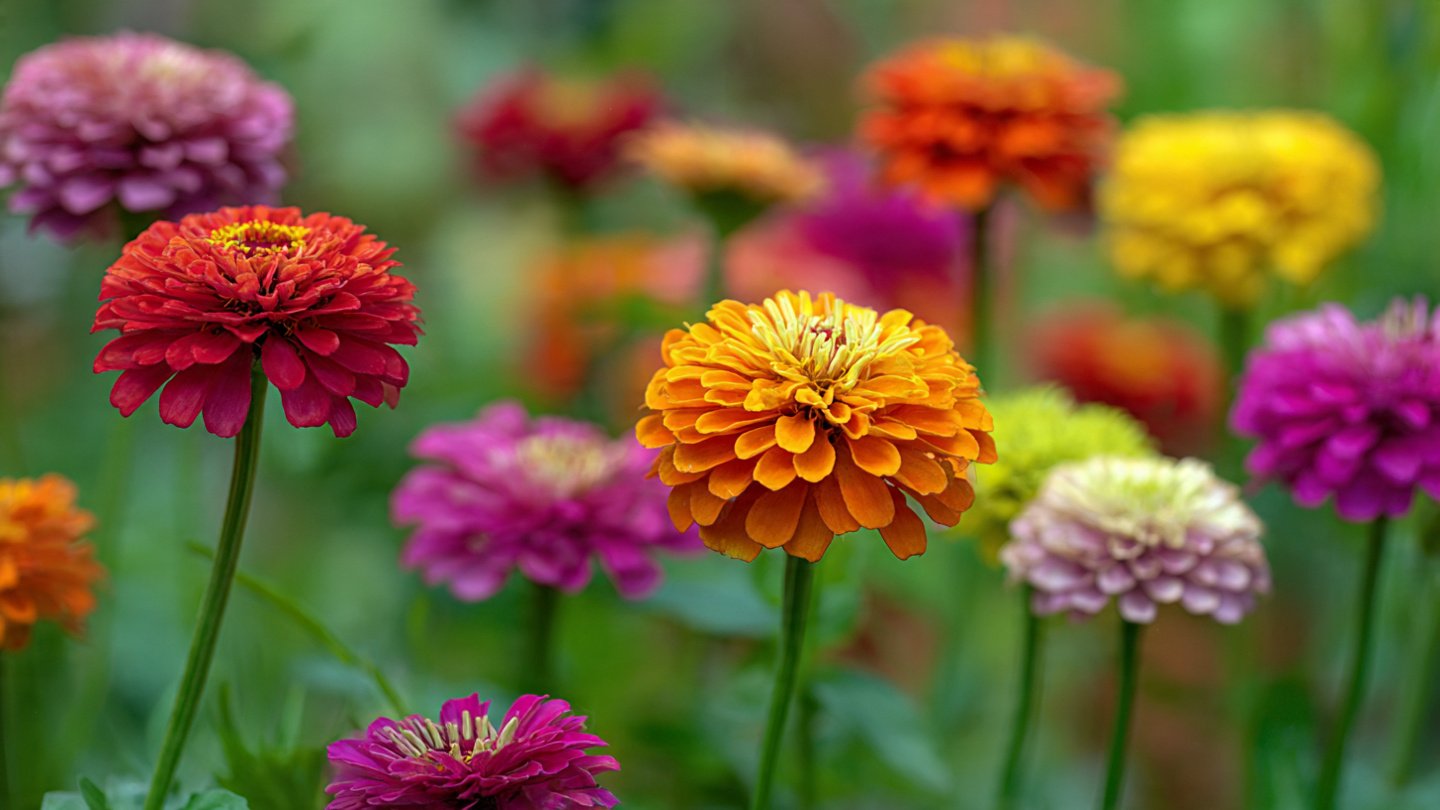
Zinnias are among the most popular flowering plants for home gardeners, celebrated for their bright, cheerful colors, easy care, and long-lasting blooms. These resilient annuals are perfect for adding vibrant splashes of color to garden beds, borders, containers, and even balconies. With proper cultivation, zinnias can bloom continuously from early summer until the first frost, providing weeks of visual delight.
This comprehensive guide will walk you through the essential steps for growing zinnias successfully, from selecting the right varieties to maximizing bloom longevity, ensuring your garden stays colorful and lively throughout the season.
Why Choose Zinnias for Your Garden?
Zinnias are ideal for both beginner and experienced gardeners for several reasons:
- Bright and varied colors: Available in red, orange, pink, yellow, white, and multi-colored varieties.
- Long-lasting blooms: With proper care, flowers can last up to two weeks each and continuously produce new blooms throughout the season.
- Pollinator-friendly: Attract butterflies, bees, and hummingbirds, supporting local ecosystems.
- Easy to grow: Zinnias are hardy, drought-tolerant, and require minimal maintenance.
By incorporating zinnias into your garden, you can enjoy vibrant color and attract beneficial pollinators without significant effort.
Selecting the Right Zinnia Varieties
Choosing the right variety affects bloom quality, height, and growth habit:
- Dwarf varieties: Ideal for containers or small garden beds. Examples include ‘Thumbelina’ and ‘Queen Red Lime’.
- Tall varieties: Perfect for borders and cut flowers. Examples include ‘Zahara’ and ‘State Fair Mix’.
- Single-flowered types: Easier to grow and attract pollinators.
- Double-flowered types: Showy blooms that last longer but may require slightly more care.
Select varieties based on your available space, desired bloom size, and garden aesthetics.
Soil Preparation for Zinnias
Zinnias thrive in well-draining, fertile soil:
- Soil type: Loamy soil with good drainage prevents root rot.
- pH range: Slightly acidic to neutral (6.0–7.5) works best.
- Soil enrichment: Mix in compost or organic matter to provide nutrients for sustained growth.
- Weed removal: Clear planting areas of weeds and debris before sowing seeds or transplanting seedlings.
Proper soil preparation provides a strong foundation for robust growth and long-lasting blooms.
Starting Zinnias from Seeds
Zinnias are easily propagated from seeds, which can be sown directly in the garden or started indoors:
- Direct sowing: Plant seeds outdoors after the last frost, about 1 cm deep, and 20–30 cm apart depending on variety.
- Indoor sowing: Start seeds 4–6 weeks before the last frost. Use seed trays filled with potting mix, keeping them moist and warm (21–24°C) until germination.
- Thinning seedlings: Once seedlings develop 2–3 true leaves, thin them to avoid overcrowding, which can reduce airflow and bloom quality.
Starting seeds correctly ensures healthy seedlings and a continuous display of vibrant flowers.
Light and Temperature Requirements
Zinnias need sunlight to thrive and produce long-lasting blooms:
- Sunlight: 6–8 hours of direct sunlight daily. Insufficient light results in weak stems and fewer blooms.
- Temperature: Ideal growing temperatures range from 18°C to 30°C. Zinnias are heat-tolerant but may struggle in excessive humidity.
- Indoor lighting: If growing in containers indoors, supplement with grow lights to ensure sufficient light exposure.
Adequate sunlight and warmth encourage strong stems, vibrant petals, and prolonged blooming.
Watering and Moisture Management
Proper watering is critical for healthy growth and flower longevity:
- Water deeply but infrequently, allowing the soil to dry slightly between watering.
- Avoid overhead watering to prevent fungal diseases like powdery mildew.
- Mulch around the base of plants to retain moisture and reduce weed growth.
- Container-grown zinnias may require more frequent watering due to faster soil drying.
Balanced watering prevents stress and supports continuous flowering throughout the season.
Fertilization for Long-Lasting Blooms
Regular feeding ensures vigorous growth and extended bloom periods:
- Initial feeding: Mix compost or a balanced slow-release fertilizer into the soil at planting.
- Ongoing fertilization: Use liquid or granular fertilizer every 3–4 weeks during the growing season.
- Bloom enhancement: Fertilizers high in phosphorus and potassium encourage flower production and longer-lasting blooms.
- Avoid excessive nitrogen, which promotes leafy growth at the expense of flowers.
Proper nutrition helps maintain strong stems, abundant flowers, and vibrant petal coloration.
Deadheading and Maintenance
Deadheading—the removal of spent blooms—is essential for prolonged flowering:
- Snip faded flowers just above the first set of healthy leaves.
- This redirects energy from seed production to new flower growth.
- Regular deadheading prevents disease and maintains a tidy appearance.
Routine maintenance ensures your zinnias continue to produce vibrant blooms throughout the season.
Pest and Disease Management
Zinnias are generally hardy but may face occasional pest and disease challenges:
- Common pests: Aphids, spider mites, and whiteflies.
- Common diseases: Powdery mildew, leaf spot, and fungal infections.
- Preventive measures: Ensure proper spacing for airflow, remove affected leaves promptly, and apply organic treatments like neem oil when needed.
Maintaining plant health reduces stress and ensures flowers remain vibrant and abundant.
Companion Planting
Planting zinnias alongside compatible species can improve growth and aesthetics:
- Marigolds: Repel pests and enhance garden color.
- Basil and other herbs: Improve overall garden health.
- Pollinator-friendly flowers: Encourage bees and butterflies, boosting flower production.
Companion planting creates a visually appealing garden while supporting the health of your zinnias.
Seasonal Care for Continuous Blooms
- Spring: Sow seeds or transplant seedlings, enrich soil, and water regularly.
- Summer: Provide consistent watering, fertilization, and deadheading.
- Fall: Continue harvesting blooms and protect plants from early frost if necessary.
- Winter: In colder climates, treat zinnias as annuals or grow in containers indoors for year-round enjoyment.
Following seasonal care routines ensures a long flowering period and healthy, vibrant plants.
Using Zinnias in Garden Design
Zinnias are highly versatile and can enhance various garden spaces:
- Borders and pathways: Create colorful edges with tall or medium varieties.
- Container gardening: Perfect for patios, balconies, or small urban gardens.
- Cut flowers: Long stems and vibrant colors make zinnias excellent for floral arrangements.
- Pollinator gardens: Attract bees, butterflies, and hummingbirds to support a healthy ecosystem.
Strategic placement of zinnias enhances garden aesthetics while providing functional benefits.
Final Thoughts
Zinnias are a must-have for gardeners seeking long-lasting, vibrant color with minimal effort. By selecting suitable varieties, preparing fertile soil, ensuring adequate sunlight, providing consistent watering and fertilization, and practicing regular deadheading and maintenance, you can cultivate zinnias that bloom continuously all season.
Whether planted in garden beds, raised borders, or containers on a balcony, zinnias add energy, charm, and vibrancy to any outdoor space. Mastering their cultivation ensures not only a visually stunning garden but also a source of joy, beauty, and inspiration for months on end.
With patience, care, and the right techniques, your zinnias will reward you with a long season of colorful, resilient blooms that brighten your home, garden, and outdoor spaces.