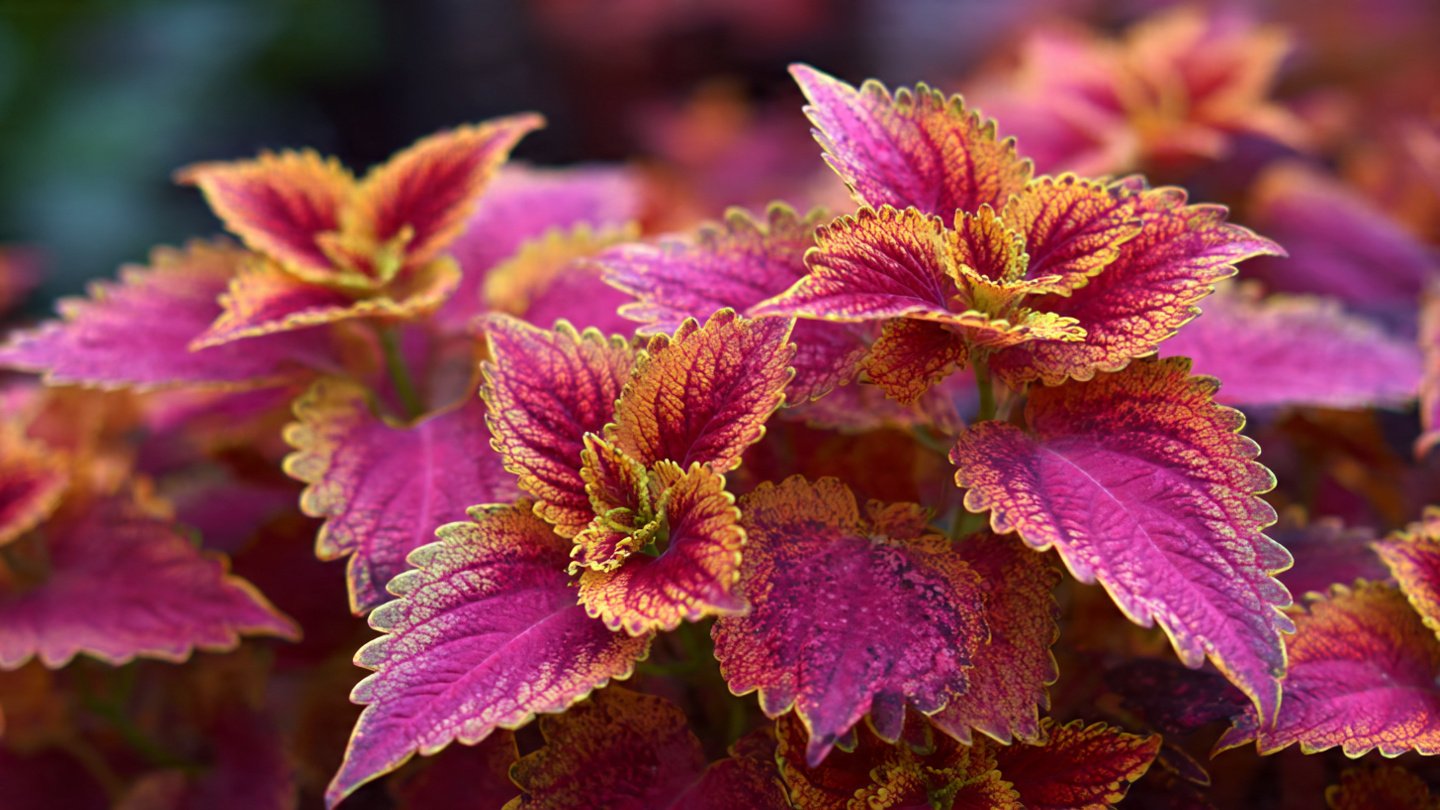
Coleus is a favorite among gardeners for its brilliantly colored foliage, versatility, and ability to create a “living carpet” effect in outdoor spaces. Whether you are aiming for bold patterns, a colorful border, or a lush ground cover, cultivating healthy coleus carpet plants can transform your garden into a stunning visual masterpiece. With their vibrant leaves ranging from deep purples to fiery reds and bright greens, coleus plants offer endless possibilities for creative landscaping.
This comprehensive guide provides step-by-step instructions on how to grow coleus carpet plants successfully, maintain their vibrant colors, and create a long-lasting, show-stopping display in your outdoor garden.
Understanding Coleus Carpet Plants
Coleus plants, scientifically known as Plectranthus scutellarioides, are prized for their foliage rather than flowers. Carpet varieties are low-growing, spreading types that form a dense mat of colorful leaves. Their compact size and rapid growth make them ideal for borders, ground covers, container gardens, and ornamental displays.
Key features of coleus carpet plants include:
- Broad, colorful leaves that form a continuous carpet effect
- Fast-growing stems that root easily in soil
- Adaptability to partial shade or filtered sunlight
- Easy propagation from cuttings for continuous coverage
A well-planned carpet of coleus adds texture, contrast, and color to any outdoor space.
Selecting the Right Varieties
Not all coleus varieties are suitable for creating a carpet effect. Choose low-growing, spreading cultivars for the best coverage. Popular carpet types include:
- ‘Red Carpet’ – Rich red leaves with a dense growth habit
- ‘Golden Ground’ – Bright yellow-green foliage for vibrant contrast
- ‘Purple Majesty’ – Deep purple leaves for dramatic color
- ‘Tricolor Mini’ – Multi-colored leaves with pink, green, and cream
When choosing varieties, consider how the colors will complement each other and the overall design of your garden. Mixing contrasting shades creates striking visual patterns.
Preparing the Outdoor Space
Coleus carpet plants thrive in well-prepared soil and areas that provide optimal light conditions.
Soil Requirements
- Well-draining soil is essential to prevent root rot
- Enrich soil with organic matter or compost to encourage healthy growth
- Slightly acidic to neutral pH (6.0–7.0) works best
Sunlight Conditions
- Partial shade to filtered sunlight is ideal for most coleus varieties
- Avoid prolonged direct sun, which can scorch leaves and reduce vibrancy
- Morning sunlight is preferable to harsh afternoon rays
Preparing the soil and selecting the right location sets the foundation for a vibrant, healthy carpet.
Planting Coleus Carpet Plants
Proper planting ensures fast establishment and uniform coverage.
Planting Steps
- Loosen the soil and remove weeds or debris
- Arrange plants 4–6 inches apart for smaller varieties and 6–8 inches for larger ones
- Dig holes slightly larger than the root ball and plant at the same depth
- Press soil gently around roots and water thoroughly
- Apply a thin layer of mulch to retain moisture and prevent weed growth
For a fuller carpet effect, stagger the spacing or create diagonal rows for continuous coverage.
Watering and Moisture Management
Consistent moisture is critical for coleus carpet plants, especially during the establishment phase.
- Water regularly to keep soil slightly moist but not waterlogged
- Reduce watering during cooler months or rainy periods
- Avoid wetting the foliage excessively to prevent fungal issues
- Mulch helps retain soil moisture and maintain root health
Well-watered plants develop stronger roots, brighter leaves, and better resistance to stress.
Fertilizing for Lush Growth
Coleus carpet plants benefit from light, regular feeding to maintain vibrant foliage.
- Use a balanced, water-soluble fertilizer every 4–6 weeks during the growing season
- Avoid high nitrogen fertilizers that encourage leggy growth instead of dense coverage
- Organic options like compost tea or diluted liquid manure can also promote healthy color
Proper nutrition keeps leaves full, bright, and uniform across the entire carpet.
Pruning and Maintenance
Maintaining a neat, dense carpet requires occasional pruning and trimming.
- Pinch back the growing tips to encourage lateral branching and fuller growth
- Remove damaged or discolored leaves promptly
- Trim plants to maintain a uniform height and shape
- After flowering, snip flower spikes to focus energy on foliage growth
Regular maintenance ensures your coleus carpet remains vibrant and visually appealing throughout the season.
Propagating Coleus for Continuous Coverage
One of the advantages of coleus is its ease of propagation. You can quickly expand your carpet by using cuttings.
Steps for Propagation
- Take 3–4 inch cuttings from healthy plants
- Remove lower leaves to expose nodes
- Place cuttings in water or moist potting mix until roots develop
- Transplant rooted cuttings directly into the carpet area
Propagation allows you to replace gaps, expand coverage, or create new patterns in your garden.
Pest and Disease Management
Coleus is generally hardy, but carpet plantings can attract pests or develop fungal issues if conditions are not ideal.
Common Pests
- Aphids
- Mealybugs
- Spider mites
Preventive Measures
- Inspect plants regularly and remove affected leaves
- Spray with insecticidal soap or neem oil if necessary
- Avoid overcrowding plants to improve air circulation
- Ensure soil drains well to prevent root rot
Early intervention keeps the carpet healthy and maintains its aesthetic appeal.
Seasonal Considerations
Coleus carpet plants are tender perennials in frost-free areas but are often treated as annuals in colder climates.
- In mild regions, continue maintenance through winter, reducing watering
- In colder regions, take cuttings indoors before frost to preserve genetics
- Mulch heavily to protect roots from temperature extremes
- Replant or replace annuals each spring for continuous vibrant coverage
Planning for seasonal changes ensures your carpet remains lush year after year.
Creative Uses in Outdoor Spaces
Coleus carpets are versatile and can enhance outdoor spaces in many ways:
- Border plantings along pathways or garden beds
- Colorful ground cover under shrubs and small trees
- Patterns in flower beds or geometric designs
- Container “carpets” in window boxes or raised beds
With proper planning, coleus carpets can elevate both small and large garden landscapes.
Final Thoughts
Growing vibrant coleus carpet plants is both easy and rewarding. By selecting the right varieties, preparing soil, managing light and water, and practicing regular maintenance, you can create a lush, colorful carpet that becomes the focal point of your outdoor space.
Whether you are a beginner or experienced gardener, these simple yet effective techniques ensure healthy growth, dense coverage, and stunning foliage throughout the season. With patience, consistent care, and a bit of creativity, your coleus carpet will transform any garden into a vibrant, eye-catching paradise.