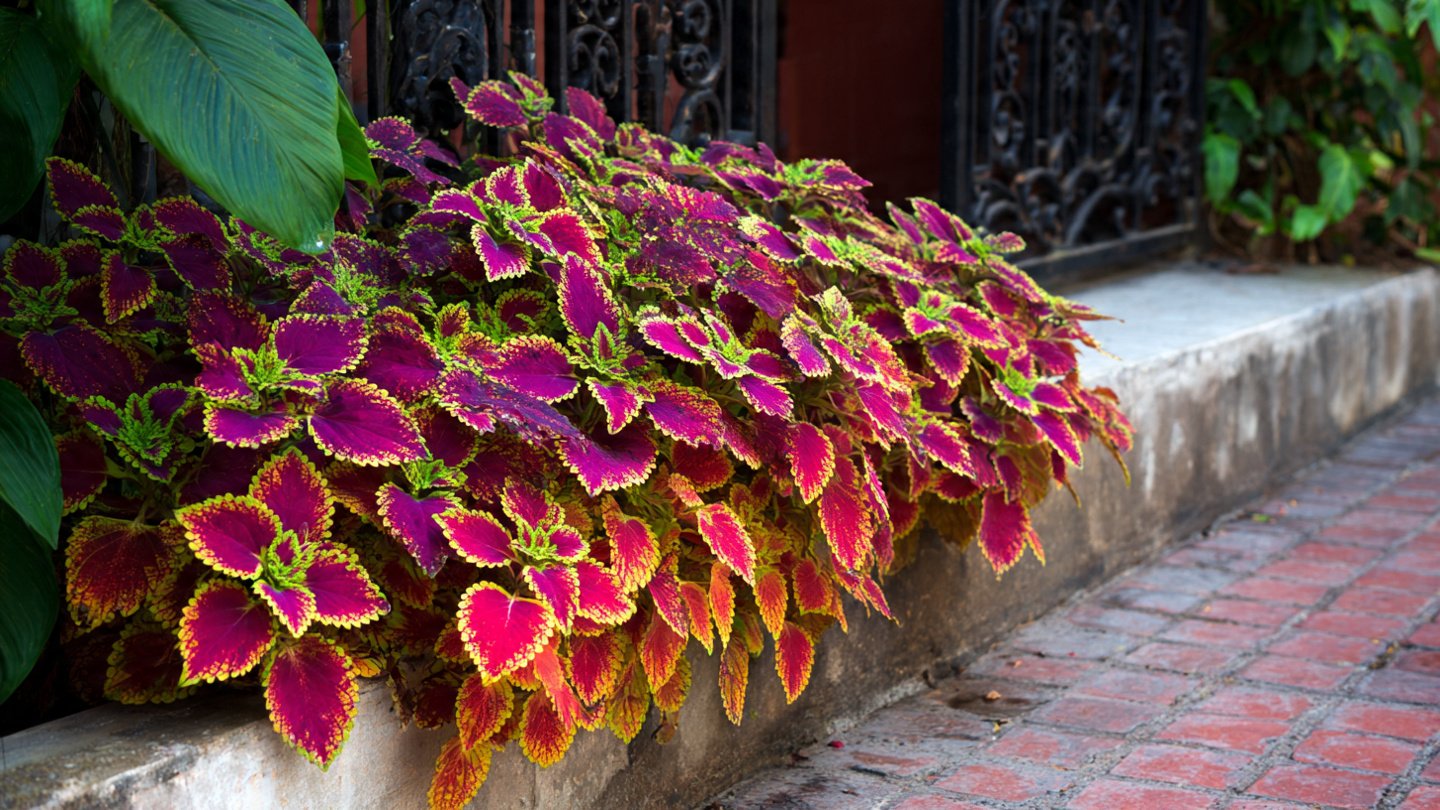
Coleus carpet plants are prized for their bold foliage, striking color combinations, and ability to transform ordinary outdoor spaces into vibrant visual displays. Unlike flowering plants that bloom for short periods, coleus provides long-lasting color through its richly patterned leaves. From deep burgundy and lime green to fiery reds and golden yellows, coleus carpet plants are ideal for borders, ground covers, and decorative patterns in gardens. With proper care and planning, you can cultivate lush, vibrant coleus carpets that elevate the beauty of your outdoor landscape. This complete guide explains how to grow, maintain, and design stunning coleus carpet plant displays with confidence.
Why Choose Coleus Carpet Plants?
Coleus carpet plants are popular for several reasons. First, their foliage color is far more reliable than flowers, remaining attractive throughout the growing season. Second, they grow quickly and respond well to shaping, making them perfect for creating intricate garden designs. Third, coleus plants are relatively easy to care for, making them suitable for beginners as well as experienced gardeners.
Another advantage of coleus is its versatility. These plants perform well in garden beds, borders, containers, and even as mass plantings. When arranged closely, coleus forms a dense carpet of color that suppresses weeds and provides a polished, professional look to outdoor spaces.
Understanding Coleus Growth Habits
Coleus is a warm-season plant that thrives in mild to warm temperatures. While traditionally considered a shade-loving plant, many modern coleus varieties tolerate and even prefer full sun, especially when grown outdoors. Understanding the specific light needs of your chosen variety is essential for achieving the most vibrant leaf colors.
Coleus plants grow upright or spreading depending on the variety. Carpet-type coleus is bred to remain compact and bushy, making it ideal for ground coverage and detailed patterns. These plants respond well to pruning, which encourages branching and maintains a neat appearance.
Selecting the Right Location
Choosing the right location is the foundation of a successful coleus carpet. Most coleus varieties prefer bright, indirect sunlight or partial shade. In regions with intense heat, afternoon shade helps prevent leaf scorch and color fading. In cooler climates, more sunlight enhances leaf coloration and growth.
The planting area should have well-draining soil. Coleus does not tolerate waterlogged conditions, which can lead to root rot and weak growth. Slightly elevated garden beds or areas with good air circulation are ideal for outdoor coleus carpets.
Preparing the Soil for Lush Growth
Healthy soil plays a major role in producing vibrant coleus foliage. Before planting, loosen the soil to improve drainage and root development. Incorporate organic matter such as compost or well-rotted manure to enhance fertility and soil structure.
Coleus thrives in nutrient-rich soil but does not require excessive fertilization. A balanced soil environment encourages steady growth and intense leaf coloration. Avoid overly compacted or clay-heavy soils, as they restrict root expansion and reduce plant vigor.
Propagation: Seeds vs. Cuttings
Coleus carpet plants can be grown from seeds or cuttings, depending on your preference. Growing from seed allows you to experiment with new color combinations, but seedlings may vary in appearance. For consistent color patterns, cuttings are the preferred method.
To propagate from cuttings, select healthy stems and cut just below a leaf node. Remove lower leaves and place the cutting in water or moist soil. Within a few weeks, roots will form, and the new plant will be ready for transplanting. This method is fast, reliable, and ensures uniformity across your carpet design.
Planting and Spacing for Carpet Effect
Spacing is crucial when creating a coleus carpet. Plants should be placed close enough to form a continuous cover but not so crowded that airflow is restricted. Generally, spacing plants 20–30 cm apart works well for most carpet varieties.
When planting, dig holes slightly larger than the root ball and position plants at the same depth they were growing previously. Water thoroughly after planting to help roots establish quickly. Within weeks, plants will begin to spread and fill gaps, forming a dense, colorful carpet.
Watering Practices for Healthy Foliage
Consistent watering is essential for coleus, especially during the establishment phase. The soil should remain evenly moist but not soggy. Coleus plants are sensitive to drought stress, which can cause wilting and dull leaf colors.
In outdoor gardens, water deeply two to three times a week, depending on weather conditions. Mulching around plants helps retain moisture, regulate soil temperature, and reduce weed growth. In hot climates, early morning watering is best to minimize evaporation and prevent fungal issues.
Feeding for Vibrant Colors
While coleus does not require heavy feeding, moderate nutrition enhances foliage color and growth. Apply a balanced, slow-release fertilizer at planting time to provide a steady supply of nutrients. Alternatively, use a diluted liquid fertilizer every three to four weeks during the growing season.
Avoid over-fertilizing, as excessive nutrients can result in overly large leaves with muted colors. Balanced feeding supports compact growth and vivid coloration, which is essential for carpet-style planting.
Pruning and Pinching for Dense Growth
Regular pruning is one of the most important practices for maintaining a lush coleus carpet. Pinching back growing tips encourages branching and prevents plants from becoming tall or leggy. This results in a thicker, more uniform carpet.
Remove flower spikes as soon as they appear. Flowering diverts energy away from foliage production and can reduce leaf quality. By removing blooms promptly, you ensure that plants focus on producing colorful leaves instead.
Designing Stunning Coleus Carpet Patterns
Coleus carpet plants are perfect for creative garden designs. By combining varieties with contrasting colors and leaf shapes, you can create geometric patterns, borders, or themed displays. Planning your design on paper before planting helps visualize the final effect and ensures balanced spacing.
Use lighter-colored coleus to outline paths or borders and darker varieties to create depth and contrast. Symmetry works particularly well in formal gardens, while free-form patterns suit informal or naturalistic landscapes.
Managing Pests and Weather Stress
Coleus is generally resistant to serious pests, but occasional issues may arise. Aphids, mites, and whiteflies can be controlled through regular inspection and prompt treatment. Keeping plants healthy and stress-free is the best defense against infestations.
Weather extremes can also affect coleus. Protect plants from strong winds and sudden temperature drops. In cooler regions, coleus is grown as an annual, so enjoy its beauty throughout the warm season.
Conclusion
Cultivating vibrant coleus carpet plants is an excellent way to add bold color and artistic flair to outdoor spaces. With proper soil preparation, thoughtful spacing, consistent watering, and regular pruning, coleus transforms gardens into living tapestries of color. Whether used in borders, beds, or decorative patterns, coleus carpet plants deliver long-lasting beauty with minimal effort. By following these practical guidelines, you can create stunning outdoor displays that remain eye-catching and lush throughout the season.