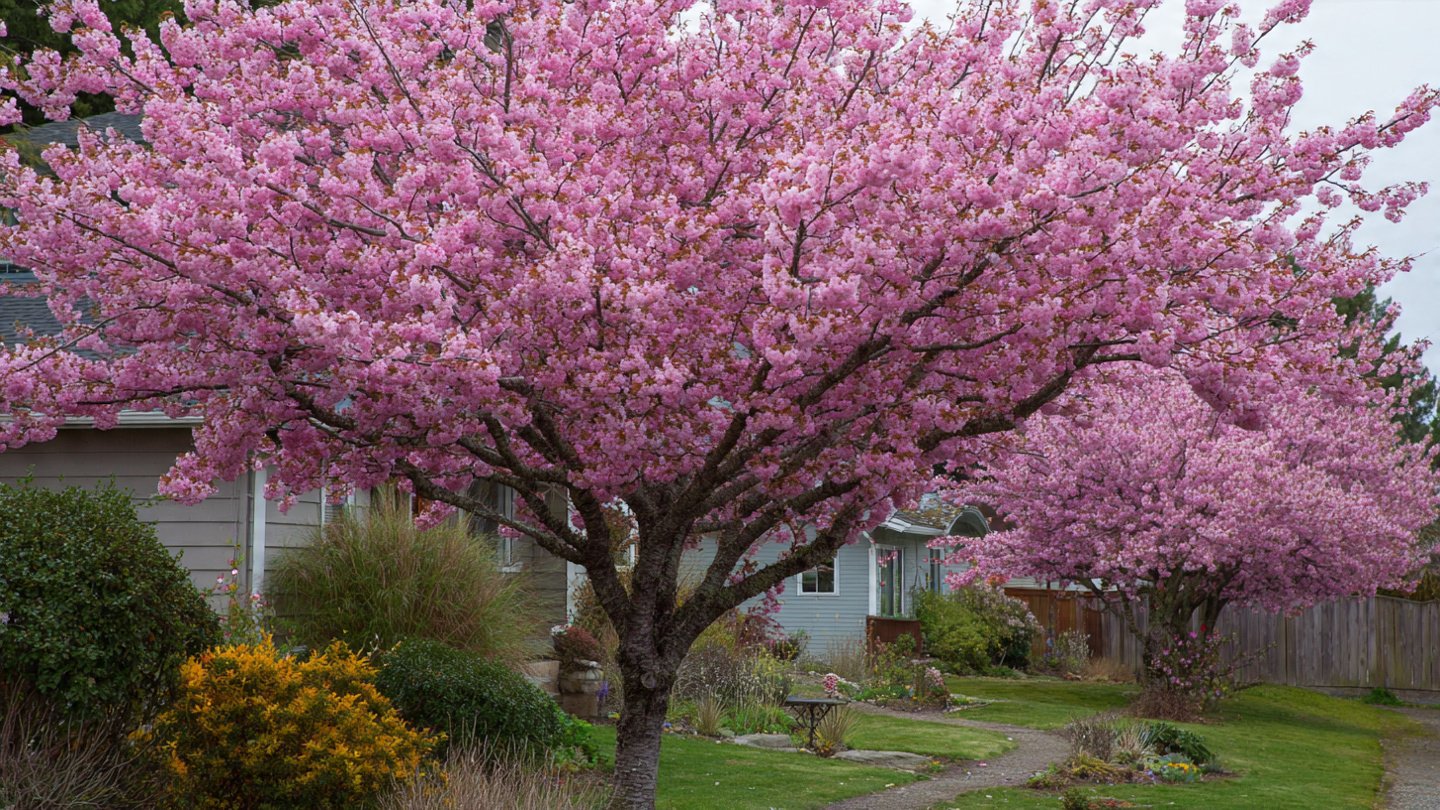
Cherry trees are a beloved addition to any garden, prized for their stunning spring blossoms, sweet or tart fruits, and ornamental value. However, growing cherries in cooler climates can be challenging, as many traditional varieties struggle with frost, short growing seasons, and low temperatures. Fortunately, with the right cold-tolerant varieties, planting techniques, and care strategies, you can cultivate cherry trees that thrive in cooler regions, offering beauty, flavor, and bountiful harvests year after year. This guide provides a complete roadmap for growing cherry trees in cooler climates.
Understanding Cold Tolerance in Cherry Trees
Before selecting and planting cherry trees, it’s important to understand what cold tolerance means:
- Bud Hardiness: Cold-tolerant varieties have buds that survive winter frosts without damage.
- Dormancy Requirements: Cherries need a certain number of “chill hours” below 45°F (7°C) to break dormancy and produce fruit. Cooler climates often naturally fulfill these requirements.
- Root Resilience: Strong, hardy roots can withstand freezing temperatures and reestablish growth in spring.
By focusing on cold-tolerant traits, gardeners can avoid frost damage, late-spring blossom loss, and reduced fruit yield.
Choosing the Right Cold-Tolerant Cherry Varieties
Selecting the appropriate cherry variety is crucial for success in cooler climates:
1. Sweet Cherries (Prunus avium)
- Lapins: Highly productive, self-pollinating, and hardy in USDA zones 5–8.
- Stella: Self-fertile with strong cold tolerance and late-blooming flowers to avoid frost damage.
2. Sour/Tart Cherries (Prunus cerasus)
- Montmorency: Classic tart cherry, cold-hardy and widely grown in northern climates.
- North Star: Dwarf variety ideal for small gardens, extremely cold-tolerant, and produces tart fruit.
3. Dwarf and Semi-Dwarf Varieties
- Compact trees are easier to protect from frost and can be grown in containers.
- Meteor (sour cherry) and Compact Stella (sweet cherry) are excellent options for northern gardens.
When choosing varieties, check the USDA hardiness zone and chill hour requirements to ensure compatibility with your local climate.
Site Selection and Microclimate Considerations
Proper site selection greatly influences the survival and productivity of cherry trees in cooler climates:
- Sunlight: Choose a location that receives full sun (6–8 hours daily). More sunlight helps warm the soil and encourages fruit development.
- Shelter: Plant near walls, fences, or natural windbreaks to protect from cold winds and late spring frosts.
- Soil: Cherries prefer well-drained, loamy soil with a slightly acidic to neutral pH (6.0–7.0). Avoid low-lying areas where frost pockets form.
- Air Circulation: Ensure good airflow around the tree to reduce fungal disease risk, while balancing frost protection.
Creating a microclimate that moderates temperature extremes significantly improves survival and fruiting success.
Preparing the Soil
Healthy, well-drained soil is the foundation for strong root systems and frost resistance:
- Test Soil: Measure pH and nutrient levels. Amend soil as necessary with lime (to raise pH) or sulfur (to lower pH).
- Improve Drainage: Raised beds or mounds help prevent waterlogging, which is especially important in winter.
- Organic Matter: Incorporate compost or well-rotted manure to enhance fertility and retain moisture.
- Mulching: Apply a 2–4 inch layer of organic mulch to insulate roots, conserve water, and suppress weeds.
Well-prepared soil ensures cherry trees can establish robust roots that survive freezing temperatures.
Planting Cold-Tolerant Cherry Trees
Planting technique influences survival, root health, and long-term productivity:
- Timing: Plant bare-root trees in early spring, just as the soil thaws. Container-grown trees can be planted in spring or fall.
- Hole Preparation: Dig a hole twice as wide and the same depth as the root ball. Loosen soil at the bottom to encourage root penetration.
- Spacing: Sweet cherries require 20–25 feet between trees; sour cherries need 12–15 feet. Dwarf varieties can be closer, around 8–12 feet.
- Planting Depth: Ensure the graft union (if grafted) is 2–3 inches above soil level. Planting too deep can weaken the tree and increase frost susceptibility.
- Watering: Water thoroughly after planting to settle the soil and reduce transplant shock.
Watering and Winter Preparation
Proper water management strengthens trees for cold survival:
- Consistent Moisture: Provide steady water during the growing season, especially in summer. Drought stress can reduce winter hardiness.
- Fall Watering: Adequate hydration before winter helps roots withstand freezing temperatures.
- Drainage Check: Avoid waterlogged soil in winter, which can freeze and damage roots.
Preparing trees for winter with proper moisture balance is crucial for survival in colder climates.
Fertilization for Cold-Resilient Growth
Fertilizer boosts root strength, growth, and overall resilience:
- Spring Feeding: Apply a balanced fertilizer with nitrogen to support early leaf and shoot growth.
- Summer Feeding: Use phosphorus-rich fertilizers to strengthen roots and improve flower bud formation.
- Avoid Late-Season Fertilization: Fertilizing in late fall encourages new growth that is vulnerable to frost.
Balanced nutrition supports strong roots, hardier branches, and better fruiting potential.
Pruning and Training for Cold Climates
Pruning improves sunlight penetration, airflow, and cold resilience:
- Dormant Pruning: Conduct pruning in late winter to shape the tree and remove dead or weak branches.
- Open-Center Training: An open canopy allows air circulation, reducing frost damage to buds.
- Tip Protection: Shorten long shoots to minimize exposure to winter wind and frost.
Proper pruning promotes healthy growth, reduces disease risk, and protects vulnerable tissues during cold months.
Frost Protection Strategies
Even cold-tolerant trees benefit from protection against severe frost:
- Mulch Around the Base: Insulate roots with straw, wood chips, or leaves.
- Frost Cloths or Covers: Use protective fabrics on young trees during late-spring frosts.
- Anti-Desiccant Sprays: Reduce moisture loss from leaves during freezing conditions.
- Windbreaks: Plant shrubs or construct barriers to shield trees from harsh winter winds.
Proactive frost protection ensures blossoms survive and fruit set is not compromised.
Pest and Disease Management
Healthy trees are more resilient to cold stress:
- Common Pests: Aphids, cherry fruit flies, and spider mites can weaken trees. Regular inspection and organic controls, like neem oil or beneficial insects, help.
- Diseases: Fungal infections such as brown rot and powdery mildew thrive in wet conditions. Prune for airflow, apply fungicides if necessary, and avoid overhead watering.
- Sanitation: Remove fallen fruit and dead leaves to reduce overwintering pests and diseases.
Maintaining tree health reduces vulnerability to environmental stress in colder climates.
Pollination and Fruit Set
Even cold-hardy cherry trees need proper pollination for maximum yield:
- Self-Pollinating Varieties: Sour cherries like Montmorency do not require cross-pollination.
- Cross-Pollinating Varieties: Sweet cherries like Lapins may need a compatible pollinator nearby.
- Bee Activity: Ensure pollinators are active during flowering. In cooler climates, early spring warmth encourages bee activity.
Successful pollination ensures abundant fruit production despite shorter growing seasons.
Harvesting and Post-Harvest Care
- Harvest Timing: Sweet cherries ripen when fully colored and slightly soft; sour cherries are best slightly firm.
- Regular Harvesting: Prevent overripe fruit from attracting pests or diseases.
- Pruning After Harvest: Shape the tree and remove damaged wood to prepare for winter.
- Winter Care: Apply mulch and consider wrapping young trunks to protect against frost cracks.
Timely harvest and proper post-harvest care promote long-term tree health and future productivity.
Conclusion
Cultivating cold-tolerant cherry trees in cooler climates is a rewarding challenge. By choosing the right varieties, preparing soil carefully, managing water and nutrients, pruning strategically, and protecting trees from frost, gardeners can enjoy both ornamental beauty and delicious harvests. Understanding the biology of cold tolerance, combined with practical care strategies, allows cherry trees to thrive even in challenging northern climates.
With patience, attention, and the techniques outlined in this guide, your garden can flourish with vibrant cherry blossoms in spring, resilient branches through winter, and a bountiful fruit harvest year after year.