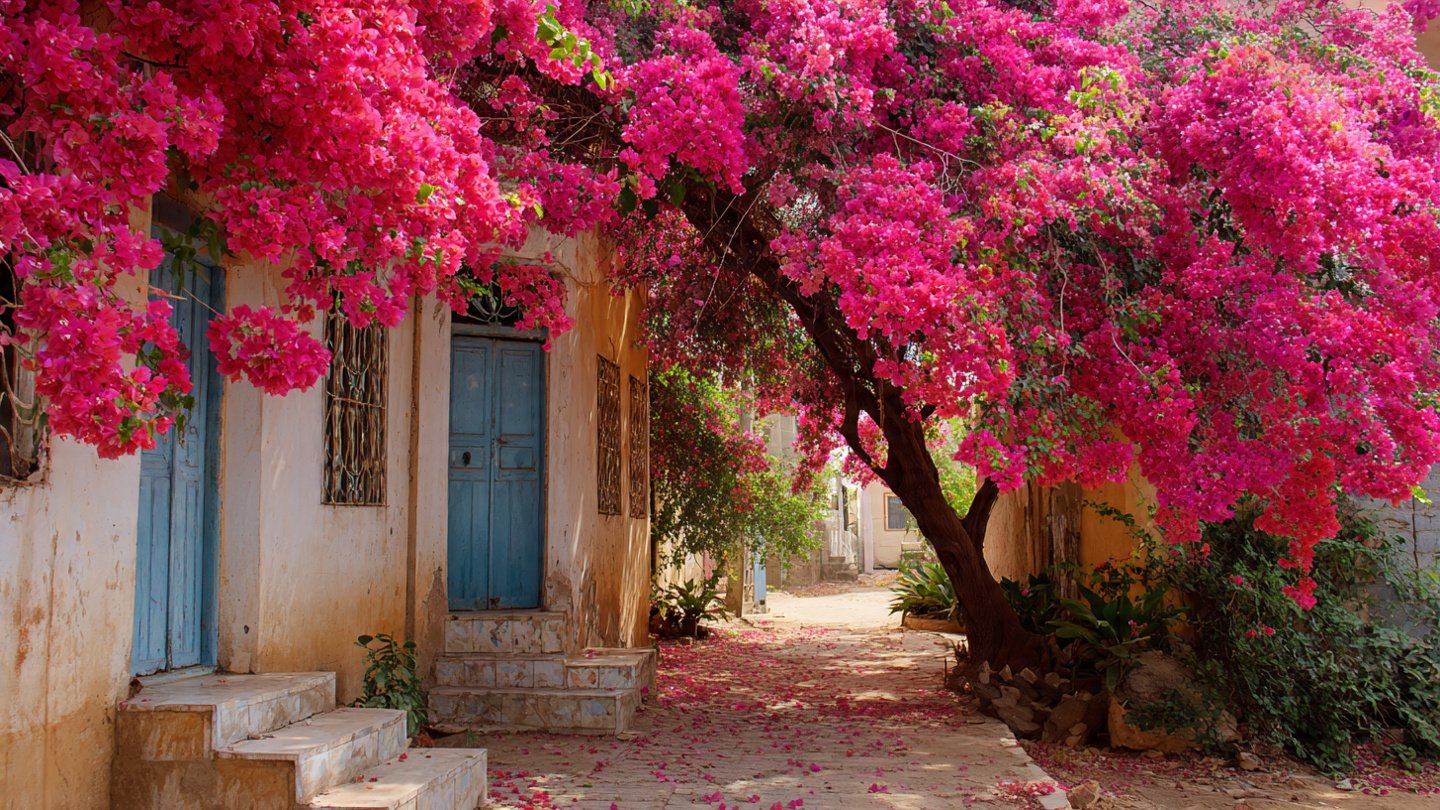
Bougainvillea is one of the most spectacular flowering plants you can grow, known for its vibrant colors, vigorous growth, and ability to transform gardens, balconies, and terraces into stunning displays. With its paper-like bracts in shades of pink, purple, red, orange, white, and yellow, bougainvillea creates a tropical feel wherever it grows. While many gardeners enjoy seasonal blooms, achieving abundant flowers all year round requires an understanding of the plant’s natural behavior and a few smart cultivation techniques.
This detailed guide explains how to cultivate bougainvillea properly so it produces lush growth and continuous blooms, whether grown in the ground or in containers.
Understanding Bougainvillea’s Growth Habit
Bougainvillea is a sun-loving, drought-tolerant plant native to warm climates. It can grow as a climber, shrub, hedge, or even as a bonsai. One important thing to understand is that bougainvillea flowers best when slightly stressed. Excessive care—especially too much water or fertilizer—often leads to lush green leaves but very few flowers.
The colorful parts we admire are not true flowers but modified leaves called bracts. The actual flowers are small and white, located at the center of these bracts. Encouraging bract production is the main goal for year-round blooms.
Choosing the Right Location
Sunlight is the single most important factor for abundant bougainvillea blooms. This plant needs at least six to eight hours of direct sunlight daily. Without enough sun, flowering will be sparse or completely absent.
Choose an open, bright location such as:
- Along fences or walls
- Near gates or pergolas
- On sunny balconies or terraces
If grown in partial shade, bougainvillea may grow well but will prioritize leaves over flowers. Full sun ensures strong stems and vibrant bract color.
Soil Preparation for Maximum Flowering
Bougainvillea prefers well-draining soil. Heavy, compacted soil retains too much moisture and can cause root problems, reducing flowering.
A good soil mix should include:
- Garden soil or loam
- Sand or perlite for drainage
- A small amount of compost or organic manure
Avoid overly rich soil. Excess nutrients, especially nitrogen, encourage leaf growth at the expense of flowers. Slightly lean soil helps trigger blooming.
Watering: Less Is More
One of the most common reasons bougainvillea fails to bloom is overwatering. This plant prefers deep but infrequent watering.
Allow the soil to dry out between waterings. Once established, bougainvillea can tolerate short dry spells and actually blooms better under mild water stress. During rainy seasons or winter, reduce watering significantly.
For potted plants, always ensure excess water drains freely. Waterlogged roots weaken the plant and suppress flowering.
Fertilizing the Right Way
Fertilizer plays a key role in year-round blooms, but the type and timing matter greatly. Avoid high-nitrogen fertilizers, which promote leaves instead of flowers.
Use a balanced or low-nitrogen fertilizer with higher phosphorus and potassium content. Phosphorus supports flower formation, while potassium improves overall plant strength and color intensity.
Apply fertilizer once every four to six weeks during the active growing season. Overfeeding can reduce blooms, so moderation is essential.
Pruning to Encourage Continuous Flowers
Pruning is a powerful tool for controlling shape and increasing blooms. Bougainvillea flowers on new growth, so regular pruning encourages fresh shoots that produce bracts.
Light pruning can be done after each major flowering cycle. Remove:
- Long, leggy branches
- Weak or crossing stems
- Dead or damaged growth
Avoid heavy pruning during cold or extremely hot weather, as this can stress the plant. Gentle, regular trimming keeps the plant compact and productive.
Container Growing for Better Bloom Control
Growing bougainvillea in pots is an excellent way to control flowering. Slightly root-bound plants tend to bloom more profusely than those with too much root space.
Choose a pot that is just large enough for healthy growth, with good drainage holes. Repot only when necessary, as frequent repotting encourages leafy growth rather than flowers.
Container-grown bougainvillea also allows easy relocation to maximize sunlight exposure throughout the year.
Training and Support
Bougainvillea is naturally a climber and benefits from proper support. Training the plant along trellises, arches, or wires improves air circulation and sun exposure, leading to better blooms.
Gently tie young branches and guide them in the desired direction. Avoid forcing mature, woody stems, as they can snap easily.
Well-trained plants not only flower more evenly but also look more attractive and organized.
Managing Pests and Diseases
Bougainvillea is relatively resistant to pests, but occasional issues like aphids, caterpillars, or spider mites can occur. These pests weaken the plant and reduce flowering.
Inspect the plant regularly and treat problems early using mild organic solutions such as neem oil or soap spray. Avoid harsh chemicals that may damage buds and beneficial insects.
Healthy plants grown in sunny, well-drained conditions are far less prone to pest problems.
Seasonal Adjustments for Year-Round Blooms
Bougainvillea responds to seasonal changes, even in warm climates. During cooler months, growth slows naturally, and flowering may reduce. This is normal.
Reduce watering and feeding during this period and protect the plant from cold winds. As temperatures rise, resume regular care, and the plant will respond with fresh growth and blooms.
In tropical and subtropical regions, consistent sunlight and proper stress management can encourage flowering almost throughout the year.
Common Mistakes That Reduce Blooms
To achieve continuous flowering, avoid these common errors:
- Excessive watering
- Too much nitrogen fertilizer
- Insufficient sunlight
- Overly rich soil
- No pruning at all
Correcting these issues often leads to noticeable improvement in flowering within a few weeks.
Final Thoughts
Cultivating bougainvillea for abundant, year-round blossoms is all about balance. By providing full sun, well-draining soil, controlled watering, proper pruning, and the right nutrition, you can encourage this stunning plant to flower repeatedly and generously.
Bougainvillea thrives when slightly challenged rather than pampered. With patience and consistent care, it will reward you with a breathtaking display of color that brightens your garden, balcony, or terrace throughout the year.