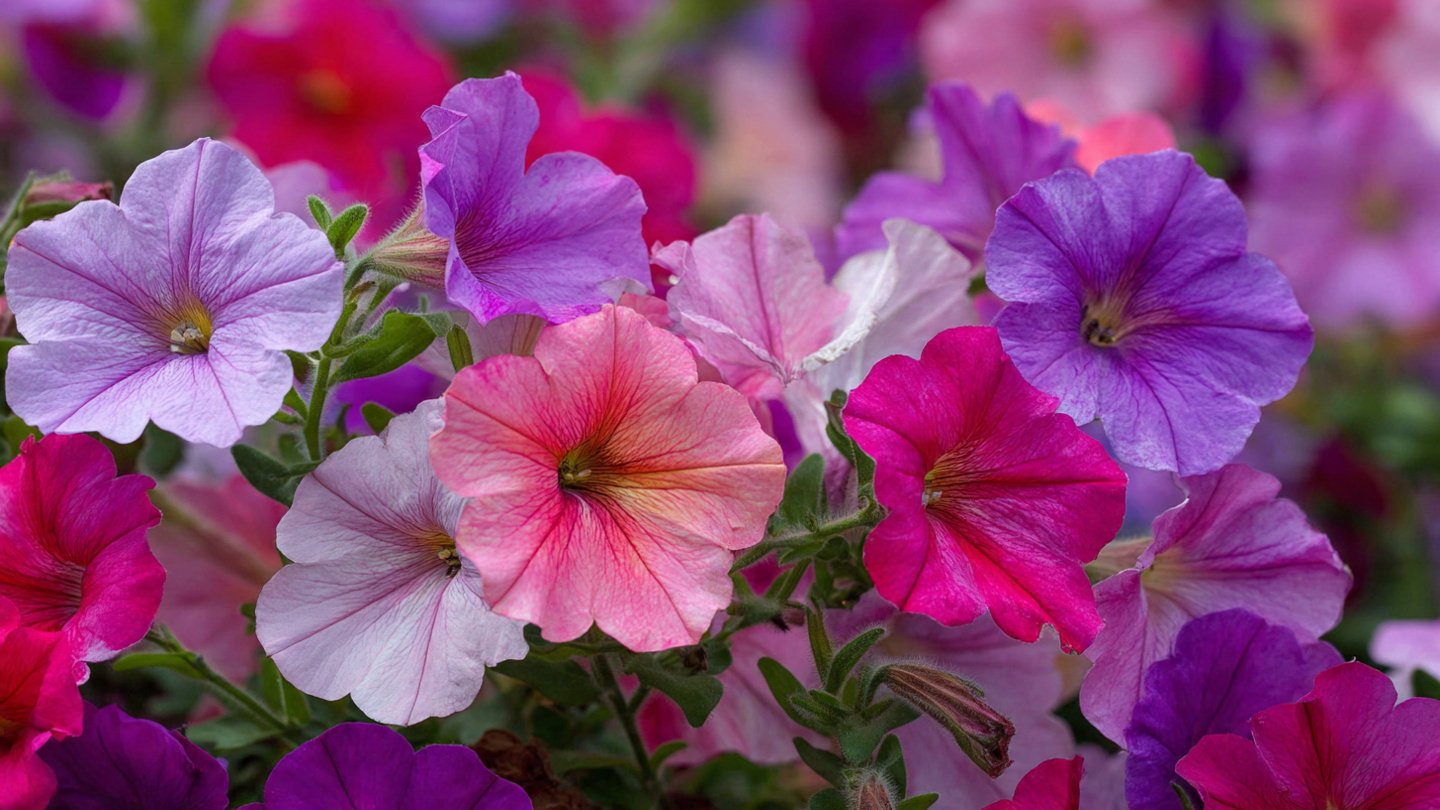
Creating a beautiful garden is not just about planting flowers and trees—it’s also about designing boundaries that are visually appealing, functional, and inviting. One of the most captivating ways to define garden spaces is by cultivating a skyflower hedge. Known for its vibrant blue flowers and lush foliage, the skyflower (Duranta erecta) is a versatile ornamental shrub that can serve as a living fence, boundary marker, or privacy screen. Its abundant blooms attract pollinators such as butterflies and bees, while its dense growth provides a natural barrier.
This comprehensive guide will teach you everything you need to know to successfully grow and maintain a skyflower hedge, transforming your garden boundaries into a magical and colorful feature.
Why Choose Skyflower for Your Hedge?
Skyflower is an excellent choice for hedges due to several reasons:
- Vibrant and attractive blooms: Produces striking blue or violet flowers almost year-round in tropical and subtropical climates.
- Dense foliage: Provides privacy, reduces noise, and creates a natural boundary.
- Fast growth: Establishes quickly, making it ideal for gardeners who want immediate impact.
- Low maintenance: With proper pruning, skyflower hedges can remain neat and elegant.
- Wildlife-friendly: Flowers attract butterflies, bees, and occasionally hummingbirds.
The combination of aesthetic appeal and functional benefits makes skyflower a perfect choice for garden boundaries.
Selecting the Right Skyflower Variety
Before planting, choose a variety suited for hedging:
- Standard Duranta erecta: A fast-growing version with abundant flowers, suitable for tropical climates.
- Variegated varieties: Have green leaves with white or yellow margins, adding extra visual interest.
- Compact dwarf varieties: Ideal for smaller spaces or container planting.
Selecting the right variety ensures that your hedge matches the height, density, and style you want for your garden.
Preparing the Site for Your Skyflower Hedge
Site selection is crucial for a thriving hedge:
- Sunlight: Skyflower requires full sun to partial shade for optimal flowering and growth. A minimum of 6 hours of sunlight per day is ideal.
- Soil: Prefers well-draining, fertile soil rich in organic matter. Sandy loam or loamy soil is ideal.
- Space: Plan spacing according to hedge height. Standard spacing is 3–5 feet between plants for medium hedges; closer spacing creates a denser barrier.
Preparing the soil involves removing weeds, adding compost, and loosening the ground to encourage deep root development.
Propagation Techniques
Skyflower hedges can be propagated using either seeds or cuttings, but stem cuttings are more reliable and faster:
- Select healthy stems: Choose semi-hardwood stems with several nodes and no signs of disease.
- Cuttings preparation: Trim leaves from the lower portion and dip the cut end in rooting hormone to improve success.
- Planting: Insert cuttings into moist, well-draining soil or a mixture of sand and coco peat.
- Care: Keep cuttings under shade with regular misting to maintain humidity. Roots typically develop in 4–6 weeks.
Using cuttings ensures that your hedge maintains consistent growth and flower characteristics.
Planting Your Skyflower Hedge
When planting:
- Mark the row: Use a string or stakes to ensure a straight, uniform hedge.
- Dig planting holes: Make them twice as wide as the root ball and as deep.
- Plant carefully: Place the young plant at the same depth it was in the nursery pot.
- Water thoroughly: Ensure roots are well-settled and soil is evenly moist.
Proper planting techniques reduce transplant shock and help the hedge establish quickly.
Watering and Mulching
Watering is critical, especially in the early stages:
- Initial watering: Keep the soil consistently moist for the first few weeks after planting.
- Established plants: Water deeply once or twice a week depending on rainfall.
- Mulching: Apply a 2–3 inch layer of organic mulch around the base of each plant. Mulch conserves moisture, regulates soil temperature, and suppresses weed growth.
Consistent watering and proper mulching help your hedge develop strong roots and maintain lush foliage.
Fertilization for Healthy Growth
Regular feeding promotes dense growth and abundant flowering:
- Balanced fertilizer: Apply a slow-release fertilizer with equal parts nitrogen, phosphorus, and potassium.
- Frequency: Feed every 6–8 weeks during the growing season.
- Organic options: Compost, well-rotted manure, or liquid seaweed extracts support healthy development and vibrant blooms.
Avoid excessive nitrogen, which can promote leafy growth at the expense of flowers.
Pruning and Shaping Your Hedge
Pruning is essential to maintain a neat and elegant skyflower hedge:
- Initial pruning: Once young plants reach 1–2 feet, trim tips to encourage branching and denser growth.
- Shaping: Prune regularly to maintain the desired hedge height and width.
- Flower management: Remove old flowers to stimulate continuous blooming.
Regular pruning enhances aesthetic appeal, encourages flowering, and prevents the hedge from becoming unruly.
Pest and Disease Management
Skyflower is generally hardy, but some pests and diseases may affect it:
- Common pests: Aphids, mealybugs, and spider mites. Treat infestations with neem oil, insecticidal soap, or natural predators.
- Fungal diseases: Powdery mildew or leaf spots can appear in humid conditions. Ensure good air circulation and avoid overhead watering.
- Preventive care: Regular monitoring and proper hygiene reduce the risk of pests and diseases.
Seasonal Care Tips
- Spring: Encourage growth with pruning and fertilization.
- Summer: Ensure consistent watering and monitor for pests.
- Autumn: Remove dead or weak branches, and continue mulching for root protection.
- Winter (in cooler climates): Protect young plants from frost with covers or relocate container-grown hedges indoors.
By adjusting care according to the season, your hedge can remain healthy and vibrant throughout the year.
Harvesting and Flower Display
Although skyflower is mainly ornamental, pruning flowers for arrangements enhances their decorative value:
- Cut healthy flower clusters for indoor vases or garden displays.
- Deadhead old flowers to stimulate new blooms and prolong flowering season.
A well-maintained hedge provides both structural beauty and an ongoing supply of vibrant flowers.
Design Tips for an Enchanting Hedge
- Height and width: Plan according to your garden space—medium hedges (3–5 feet) provide privacy while low hedges (2–3 feet) are decorative.
- Layering: Combine skyflower with complementary plants like flowering shrubs or small trees for a multi-dimensional effect.
- Color contrast: Use variegated or purple-leaf varieties to create visual contrast.
Thoughtful design elevates the hedge from a simple boundary to an enchanting garden feature.
Common Mistakes to Avoid
- Planting too close, resulting in overcrowding
- Neglecting pruning, leading to sparse flowering
- Overwatering or poor drainage causing root rot
- Ignoring pests, allowing infestations to spread
- Using low-light locations, reducing bloom production
Avoiding these mistakes ensures a healthy, vibrant hedge that performs well year after year.
Final Thoughts
A skyflower hedge is more than just a garden boundary—it’s a living piece of art that enhances the beauty and ambiance of your outdoor space. With careful selection of varieties, proper planting, regular pruning, and attentive care, you can cultivate a lush hedge that blooms profusely, attracts pollinators, and creates a magical garden atmosphere.
By following these techniques, your skyflower hedge will not only define your garden boundaries but also serve as a stunning focal point, delighting both your family and guests with its vibrant colors and natural elegance.