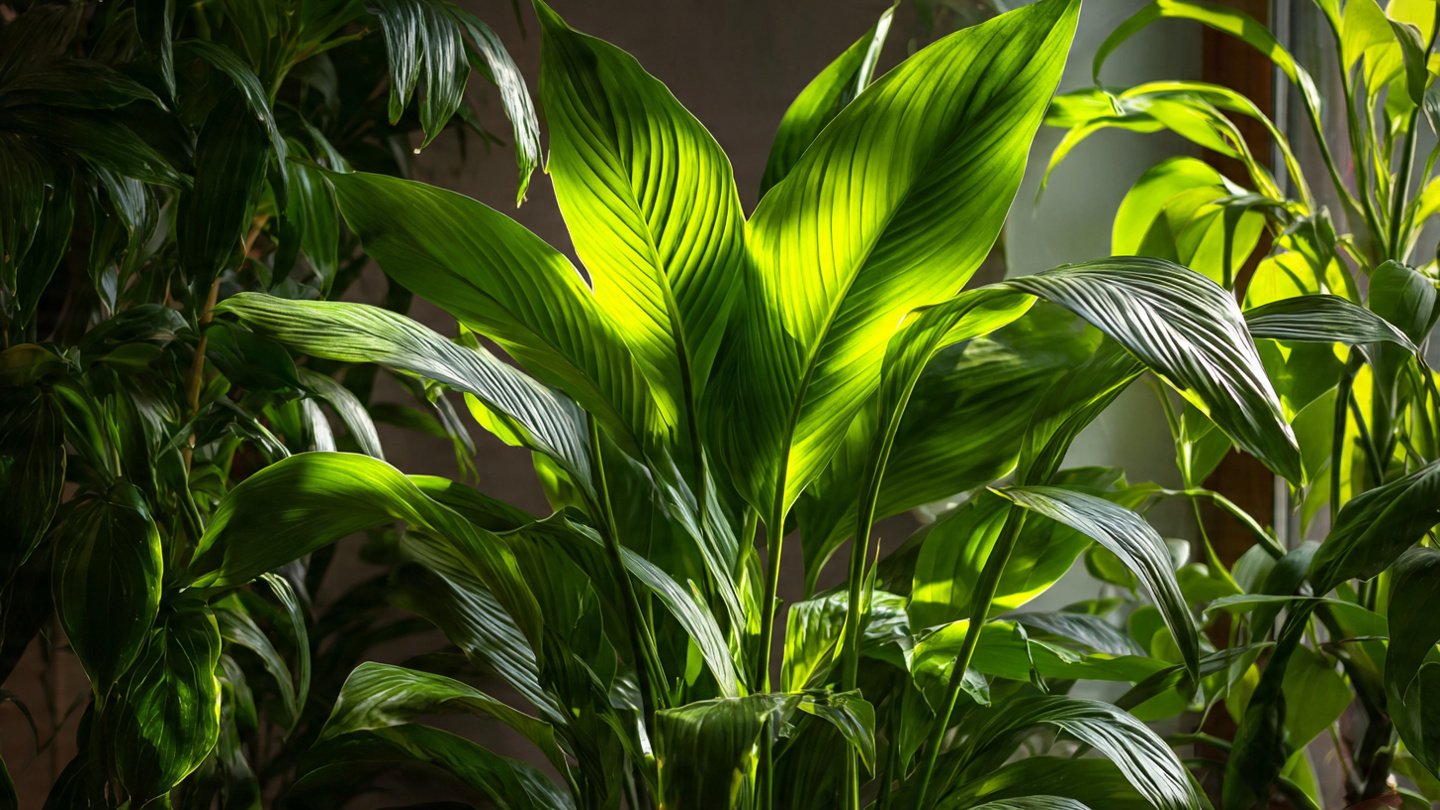
Moisture-loving plants, also known as hydrophilic or tropical indoor plants, are some of the most vibrant and visually appealing houseplants you can grow. From lush ferns and calatheas to philodendrons and peace lilies, these plants thrive in environments with higher humidity, consistent moisture, and indirect sunlight. While many gardeners admire these plants, maintaining the right conditions indoors can be a challenge—especially in dry climates or air-conditioned spaces.
This guide will show you how to create the perfect indoor environment for moisture-loving plants, ensuring healthy growth, vibrant foliage, and flourishing blooms all year round.
Understanding Moisture-Loving Plants
Moisture-loving plants originate from tropical or subtropical regions where the environment is consistently humid and shaded. Their leaves, stems, and roots are adapted to absorb water efficiently and retain moisture. When grown indoors, these plants require care that mimics their natural habitat.
Common Moisture-Loving Plants:
- Ferns (Boston fern, maidenhair fern)
- Calatheas (Calathea orbifolia, Calathea lancifolia)
- Peace lilies (Spathiphyllum)
- Philodendrons (Heartleaf, Monstera varieties)
- Orchids (certain epiphytic species like Phalaenopsis)
Understanding the natural preferences of these plants helps in replicating the ideal conditions indoors.
Step 1: Choosing the Right Location
Light and placement are crucial for moisture-loving plants. These plants generally prefer bright, indirect sunlight rather than direct exposure, which can dry out the foliage and soil.
Placement Tips:
- Near windows with filtered light, such as north or east-facing windows
- Away from direct sunlight that can scorch leaves
- Areas with consistent temperature, avoiding drafts from windows or air conditioners
Choosing the right location ensures plants maintain healthy growth without excessive stress.
Step 2: Selecting the Right Containers
Containers play a key role in moisture retention and root health. Moisture-loving plants often do well in pots that allow some water retention but also provide proper drainage.
Container Guidelines:
- Use pots with drainage holes to prevent waterlogging
- Consider plastic or glazed ceramic pots, which retain moisture longer
- For epiphytic plants like orchids, use mesh or transparent plastic pots to allow root aeration
The right container balances moisture retention and drainage, mimicking natural conditions for tropical plants.
Step 3: Using the Best Potting Medium
Moisture-loving plants require potting mixes that retain water but do not become soggy. Soil structure and composition are essential to prevent root rot and promote healthy growth.
Recommended Potting Mix:
- Ferns and calatheas: peat moss, coconut coir, and perlite for aeration and moisture retention
- Philodendrons: a mix of potting soil, orchid bark, and perlite
- Peace lilies: standard potting mix with added compost for nutrients and moisture retention
Choosing the right medium ensures consistent hydration without suffocating the roots.
Step 4: Maintaining Humidity
Humidity is the most critical factor for moisture-loving plants. Indoor air, especially in air-conditioned or heated spaces, is often too dry for tropical plants.
Ways to Increase Humidity:
- Humidity trays: Place pots on trays filled with water and pebbles to raise moisture around the plant
- Grouping plants: Cluster multiple plants together to create a micro-humid environment
- Misting: Lightly mist leaves with water to replicate tropical dew
- Humidifiers: Use indoor humidifiers for consistent and controlled humidity levels
Aim for a relative humidity of 50–70% to replicate the natural environment of these plants.
Step 5: Proper Watering Techniques
Watering is often where indoor gardeners struggle with moisture-loving plants. Too little water causes leaves to curl and brown, while too much can lead to root rot.
Watering Tips:
- Keep the soil consistently moist but not waterlogged
- Check the top inch of soil; water when it begins to dry
- Use room-temperature water to prevent shock
- Water at the base of the plant rather than overhead to reduce fungal risks
Combining proper watering with a humid environment encourages lush, healthy growth.
Step 6: Fertilization
Fertilizing moisture-loving plants supports vibrant foliage and sustained growth. These plants require nutrients regularly due to frequent watering, which can leach nutrients from the soil.
Fertilization Guidelines:
- Use a balanced, water-soluble fertilizer diluted to half-strength every 4–6 weeks during active growth
- Slow-release organic fertilizers work well for long-term nutrition
- Avoid over-fertilizing, which can burn roots and damage leaves
Proper fertilization keeps plants healthy, supporting dense foliage and frequent flowering.
Step 7: Temperature Management
Most tropical plants thrive in stable, warm temperatures. Sudden fluctuations or extremes can stress plants and reduce growth.
Ideal Indoor Temperature:
- Daytime: 65–80°F (18–27°C)
- Nighttime: 55–65°F (13–18°C)
- Avoid cold drafts, heaters, and direct exposure to air conditioners
Maintaining stable temperatures ensures moisture-loving plants maintain growth and resist stress.
Step 8: Pruning and Grooming
Regular pruning encourages bushy growth, removes dead or yellowing leaves, and prevents fungal or pest problems.
Pruning Tips:
- Remove damaged or yellow leaves immediately
- Trim spent flowers to encourage new blooms
- For leggy plants, pinch back stems to stimulate branching
Pruning ensures your plants remain healthy, attractive, and lush.
Step 9: Managing Pests and Diseases
Moisture-loving plants in indoor environments can attract pests like aphids, spider mites, or mealybugs. Fungal diseases like leaf spots or root rot can also occur in overly humid conditions.
Preventive Measures:
- Inspect plants regularly for pests
- Ensure proper airflow around plants to prevent fungal growth
- Use neem oil, insecticidal soap, or natural remedies for pest control
- Avoid overwatering to reduce root and fungal problems
Healthy plants with minimal pest pressure thrive and continue to produce lush foliage.
Step 10: Using Decorative Techniques
Enhancing the environment for moisture-loving plants also improves aesthetic appeal:
- Use pebble trays or decorative containers to complement interior design
- Combine different types of tropical plants to create a layered, lush indoor garden
- Arrange plants near windows or under grow lights for balanced growth
By designing the environment thoughtfully, you create a visually appealing and thriving indoor garden.
Step 11: Monitoring and Adjusting
Creating the perfect environment requires observation and adaptation:
- Monitor soil moisture and adjust watering frequency
- Observe leaves for signs of stress, pests, or nutrient deficiencies
- Adjust humidity and light conditions as seasons change
- Re-pot plants when they outgrow their containers to maintain healthy roots
Regular observation allows for proactive care, ensuring long-term success.
Conclusion
Creating the perfect environment for moisture-loving plants indoors is about replicating their natural tropical habitat. By providing bright indirect light, consistent moisture, high humidity, stable temperatures, nutrient-rich soil, and regular care, you can cultivate lush, vibrant, and healthy plants that thrive year-round.
Even beginner gardeners can enjoy the beauty and greenery of tropical plants indoors by following these simple steps. With a little attention to detail and the right environmental adjustments, your indoor space can transform into a thriving tropical oasis filled with healthy, moisture-loving plants.