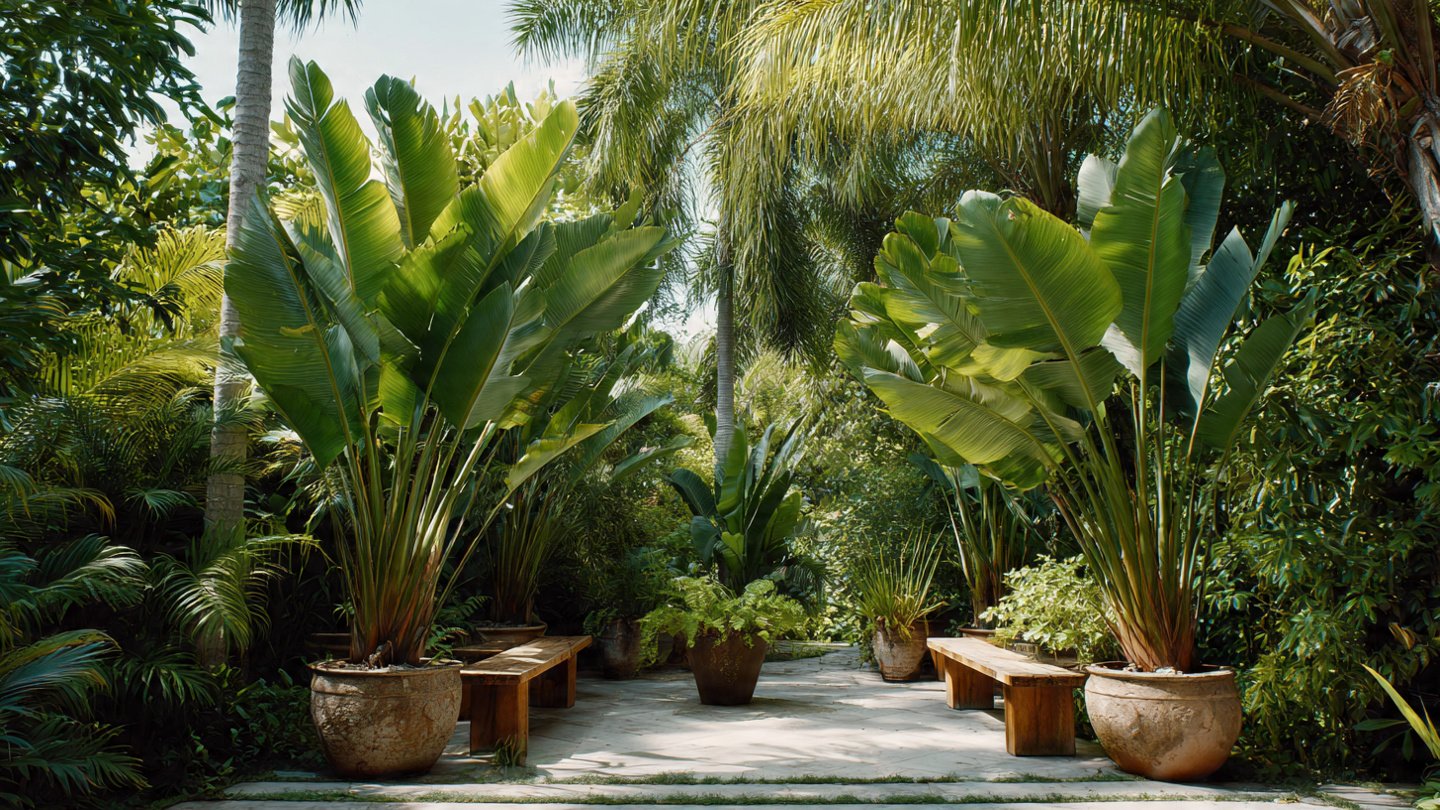
If you’re looking to transform your large garden into a tropical paradise, the traveller palm, also known as Ravenala madagascariensis, is an exceptional choice. With its striking fan-shaped leaves, dramatic height, and lush appearance, the traveller palm instantly adds an exotic, luxurious feel to any outdoor space. While it may appear intimidating to grow due to its size, the process is surprisingly simple when you understand the right techniques.
This guide walks you through everything you need to know to cultivate a healthy, thriving traveller palm in large gardens—from soil preparation and planting to watering, fertilization, and maintenance—so you can create your very own lush oasis.
Why Grow Traveller Palm in Large Gardens
Traveller palms are more than just ornamental plants. They offer multiple benefits for garden enthusiasts:
- Tropical beauty: Their dramatic fan-shaped foliage creates a striking visual impact.
- Low maintenance: Once established, they are hardy and resilient.
- Wildlife-friendly: The flowers attract pollinators, while the large leaves provide shelter for birds.
- Longevity: These palms can live for decades, becoming a permanent feature in your garden.
- Versatility in landscaping: Works as a focal point, a natural screen, or a background accent.
With its grandeur and elegance, a traveller palm can turn an ordinary garden into a lush tropical retreat.
Selecting the Right Variety
The traveller palm generally comes in one main species, Ravenala madagascariensis, but there are some variations worth noting:
- Standard traveller palm: Reaches heights of 20–30 feet, with fan-shaped leaves up to 10 feet long.
- Dwarf or young cultivars: Smaller, slower-growing varieties suitable for garden entrances or mid-sized landscapes.
For large gardens aiming for a grand tropical effect, the standard traveller palm is ideal because of its size and architectural presence.
Choosing the Ideal Location
The placement of your traveller palm is crucial for healthy growth:
- Sunlight: Full sun exposure is best; partial shade can slow growth.
- Space: Provide ample room—these palms can spread up to 15 feet in width. Avoid planting near walls or other large trees that could crowd them.
- Wind protection: While hardy, strong winds can damage young leaves. Consider planting in a sheltered spot or using temporary windbreaks.
Choosing the right location ensures the palm develops its iconic fan shape and thrives in the long term.
Preparing the Soil
Traveller palms prefer well-draining, fertile soil. Proper soil preparation is key to establishing strong roots:
- Mix garden soil with compost or well-rotted manure to improve fertility.
- Add sand or perlite to improve drainage, preventing waterlogging.
- Slightly acidic to neutral soil (pH 6–7) is ideal.
- Dig a planting hole at least twice the size of the root ball to allow roots to spread comfortably.
Healthy, aerated soil encourages rapid growth, lush leaves, and a robust structure.
Planting Traveller Palm
Planting the traveller palm correctly ensures a strong foundation:
- Remove the palm from its nursery container, handling roots gently.
- Place it in the prepared hole, ensuring the base of the stem is level with the surrounding soil.
- Backfill with enriched soil and firm gently around the roots.
- Water thoroughly to settle the soil.
- Mulch around the base with organic material to retain moisture and regulate soil temperature.
Proper planting is critical for avoiding transplant shock and ensuring healthy growth.
Watering Techniques
Traveller palms require consistent moisture, especially when young:
- Regular watering: Water 2–3 times per week during dry periods, reducing frequency once established.
- Deep watering: Ensure water reaches the root zone to encourage deep root growth.
- Mulching: Helps retain soil moisture and prevents rapid drying in hot climates.
Avoid waterlogging, as overly wet soil can cause root rot. Well-draining soil combined with consistent watering keeps your palm healthy.
Fertilization for Lush Growth
Fertilizing traveller palms encourages lush leaves, stronger stems, and more dramatic growth:
- Use a slow-release palm fertilizer with nitrogen, potassium, and magnesium.
- Fertilize every 2–3 months during the growing season (spring and summer).
- Supplement with compost or organic manure for additional nutrients.
Balanced nutrition promotes vibrant green foliage and helps the palm withstand pests and environmental stress.
Supporting Growth and Structure
While traveller palms are generally self-supporting, young plants may need some guidance:
- Temporary staking: Supports young plants against strong winds.
- Leaf pruning: Remove damaged or yellow leaves to maintain a tidy appearance and prevent disease.
- Monitoring for pests: Check regularly for aphids, mealybugs, or scale insects and treat with neem oil or insecticidal soap.
Support and maintenance help the palm develop its signature fan shape while remaining healthy.
Flowering and Fruiting
Traveller palms produce unique flowers, often white or cream-colored, arranged along the stem:
- Flowering usually occurs after 4–5 years of growth in optimal conditions.
- Flowers attract birds and insects, adding ecological value to your garden.
- Seeds can be collected for propagation, although growing from seed requires patience.
While flowers are not guaranteed annually, healthy palms in the right conditions will produce blooms that enhance the tropical look.
Pruning and Maintenance
Routine maintenance ensures your traveller palm stays lush and aesthetically pleasing:
- Remove dead, damaged, or yellowing leaves to prevent disease.
- Trim lower leaves that touch the ground to maintain airflow.
- Keep an eye on new growth to ensure symmetry and fan formation.
- Mulch regularly and replenish nutrients through fertilization.
Pruning keeps your palm looking neat while encouraging vigorous growth.
Common Challenges
While traveller palms are hardy, they can face some challenges:
- Cold sensitivity: Protect young palms in regions with frost using frost cloth or temporary shelter.
- Pests: Scale, mealybugs, and aphids can occasionally affect leaves.
- Leaf scorch: Caused by intense sun or irregular watering. Mulching and consistent care can prevent this.
- Crowding: Give ample space to prevent competition and maintain the fan shape.
Early intervention and consistent care prevent small issues from becoming major problems.
Creating a Lush Oasis
To create a true tropical oasis with traveller palms in your garden:
- Plant in groups for dramatic effect, or as a focal point surrounded by flowering shrubs.
- Combine with tropical plants like hibiscus, cannas, or bird-of-paradise for layered foliage.
- Use pathways, water features, or garden furniture to accentuate the palm’s architectural form.
- Maintain regular watering, fertilization, and pruning to keep the garden lush year-round.
The traveller palm acts as a statement piece, bringing structure and tropical elegance to large gardens.
Final Thoughts
Growing traveller palms in large gardens is simpler than it may seem. By selecting a healthy plant, preparing well-draining soil, providing adequate sunlight and water, and maintaining proper care, you can create a lush, tropical oasis that enhances the beauty of your outdoor space.
With patience, attention, and regular maintenance, your traveller palm will thrive, adding drama, elegance, and a touch of exotic flair to your garden for years to come. Its fan-shaped leaves and stately presence make it a standout feature, perfect for creating a luxurious, serene outdoor retreat.