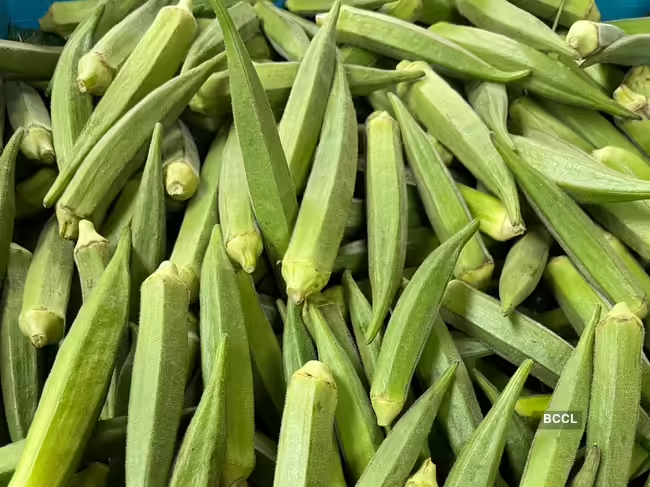
Bhindi, also known as okra, is a beloved vegetable in many kitchens. Whether stir-fried, added to curries, or cooked with spices and onions, its unique flavor and satisfying crunch make it a favorite. However, one common complaint is that bhindi becomes slimy or mushy during preparation. Often, the problem begins not during cooking—but during cleaning.
Okra contains natural mucilage, a gel-like substance that gives it a slippery texture when exposed to excess moisture. Cleaning bhindi the wrong way can activate this mucilage and ruin its firm texture. The good news? With a few simple steps, you can clean bhindi properly while preserving its natural crunch.
Why Proper Cleaning Matters
Before cooking, bhindi must be cleaned to remove dirt, pesticide residue, and surface impurities. But improper washing—especially soaking—can cause water to seep into the pods. When you later cut or cook them, the excess moisture reacts with the vegetable’s natural mucilage, making it sticky.
If you’ve ever wondered why your bhindi fry turned soggy, the washing process may be the reason.
Step 1: Choose Fresh, Firm Bhindi
Cleaning starts with selecting the right vegetables. Look for:
- Bright green color
- Smooth, unwrinkled skin
- Firm texture
- Pods that snap easily when bent
Avoid limp, dull, or overly large pods, as they tend to be fibrous and less crunchy. Fresh bhindi holds its shape better during both cleaning and cooking.
Step 2: Avoid Soaking in Water
One of the biggest mistakes people make is soaking bhindi in a bowl of water. Unlike leafy vegetables, okra should never be left submerged.
Why?
Okra absorbs water quickly. When soaked, moisture enters through the stem and surface pores, which increases sliminess later.
Instead of soaking, wash quickly under running water.
Step 3: Wash Under Running Water Only
Place the bhindi in a colander and rinse gently under cool running water. Use your hands to lightly rub each pod to remove dirt.
If you’re concerned about pesticide residue, you can briefly rinse with salt water or diluted vinegar—but do not soak. A quick wash is enough.
Keep the washing time short. The goal is to clean the surface, not saturate the vegetable.
Step 4: Dry Completely Before Cutting
This is the most important step.
After washing, spread the bhindi on a clean kitchen towel. Gently pat dry with another towel. Allow it to air dry for at least 20–30 minutes before cutting.
Any remaining moisture on the surface can increase sliminess during chopping. If you’re in a hurry, use a dry cloth to wipe each pod individually.
Professional cooks often emphasize that bhindi must be “bone dry” before slicing.
Step 5: Trim Carefully and Keep Knife Dry
Once fully dry:
- Cut off the top stem portion.
- Trim the thin tail end if desired.
- Slice into rounds or lengthwise pieces depending on your recipe.
Make sure your knife and cutting board are completely dry. Wet utensils can transfer moisture back to the vegetable.
If you notice sticky residue forming on the knife while cutting, wipe it clean with a dry cloth before continuing.
Step 6: Cook on Medium-High Heat
Although cleaning plays a major role, cooking technique also affects texture.
To maintain crunch:
- Use a wide pan to avoid overcrowding.
- Cook on medium-high heat.
- Avoid covering the pan initially, as trapped steam increases sliminess.
- Stir gently and avoid excessive mixing.
Adding a small splash of lemon juice or a pinch of dry spices early in cooking can help reduce stickiness.
Common Mistakes to Avoid
Here are a few habits that often spoil bhindi’s texture:
❌ Soaking for long periods
Leads to water absorption and increased mucilage.
❌ Cutting before drying
Moisture spreads inside the vegetable.
❌ Washing after cutting
This activates maximum sliminess.
❌ Cooking on low heat with lid closed
Steam makes bhindi soft and sticky.
Avoiding these mistakes alone can dramatically improve your results.
Extra Tips for Preserving Crunch
If you want restaurant-style bhindi with perfect texture, try these additional tricks:
- Add salt later: Adding salt too early can draw out moisture.
- Use acid wisely: A few drops of lemon juice or a spoon of yogurt can reduce sliminess.
- Cook in batches: Overcrowding creates steam.
- Dry roast briefly: Some cooks lightly sauté bhindi without oil for 2–3 minutes before adding spices.
Each of these methods helps control moisture and preserve firmness.
How to Store Cleaned Bhindi
If you’re not cooking immediately:
- Wash and dry thoroughly.
- Store whole, uncut bhindi in a paper towel-lined container.
- Keep in the refrigerator’s vegetable drawer.
Avoid sealing in airtight plastic bags without airflow, as trapped moisture softens the pods.
It’s best to cut bhindi just before cooking for optimal crunch.
Understanding the Science of Sliminess
The sticky texture in okra comes from soluble fiber and mucilage. When heated in the presence of water, this substance thickens—similar to how certain soups become creamy.
In some cuisines, this quality is desirable. For example, okra is used to thicken stews and curries naturally. However, for dry preparations like bhindi fry, controlling moisture is essential.
By minimizing water exposure during cleaning, you manage how much mucilage gets released during cooking.
Health Benefits of Bhindi
Beyond taste and texture, bhindi is highly nutritious. It is rich in:
- Dietary fiber
- Vitamin C
- Vitamin K
- Folate
- Antioxidants
It also supports digestive health and may help regulate blood sugar levels. Preserving its texture makes it more enjoyable to eat, especially for children who might otherwise avoid slimy vegetables.
A Simple Cleaning Routine to Follow
Here’s a quick checklist you can remember every time:
- Select fresh, firm pods.
- Rinse briefly under running water.
- Do not soak.
- Pat completely dry.
- Air dry 20–30 minutes.
- Use dry knife and board.
- Cook on medium-high heat without overcrowding.
Following this routine ensures crisp, flavorful bhindi every time.
Final Thoughts
Cleaning bhindi properly is the secret to preserving its natural crunch. The key lies in minimizing moisture, drying thoroughly, and handling the vegetable gently before cooking.
With just a few mindful steps—quick rinsing, complete drying, and careful slicing—you can transform your bhindi dishes from sticky and soft to crisp and delicious.
Once you master this simple cleaning technique, you’ll never struggle with slimy okra again. Instead, you’ll enjoy perfectly textured bhindi that enhances every meal with its natural flavor and satisfying bite.