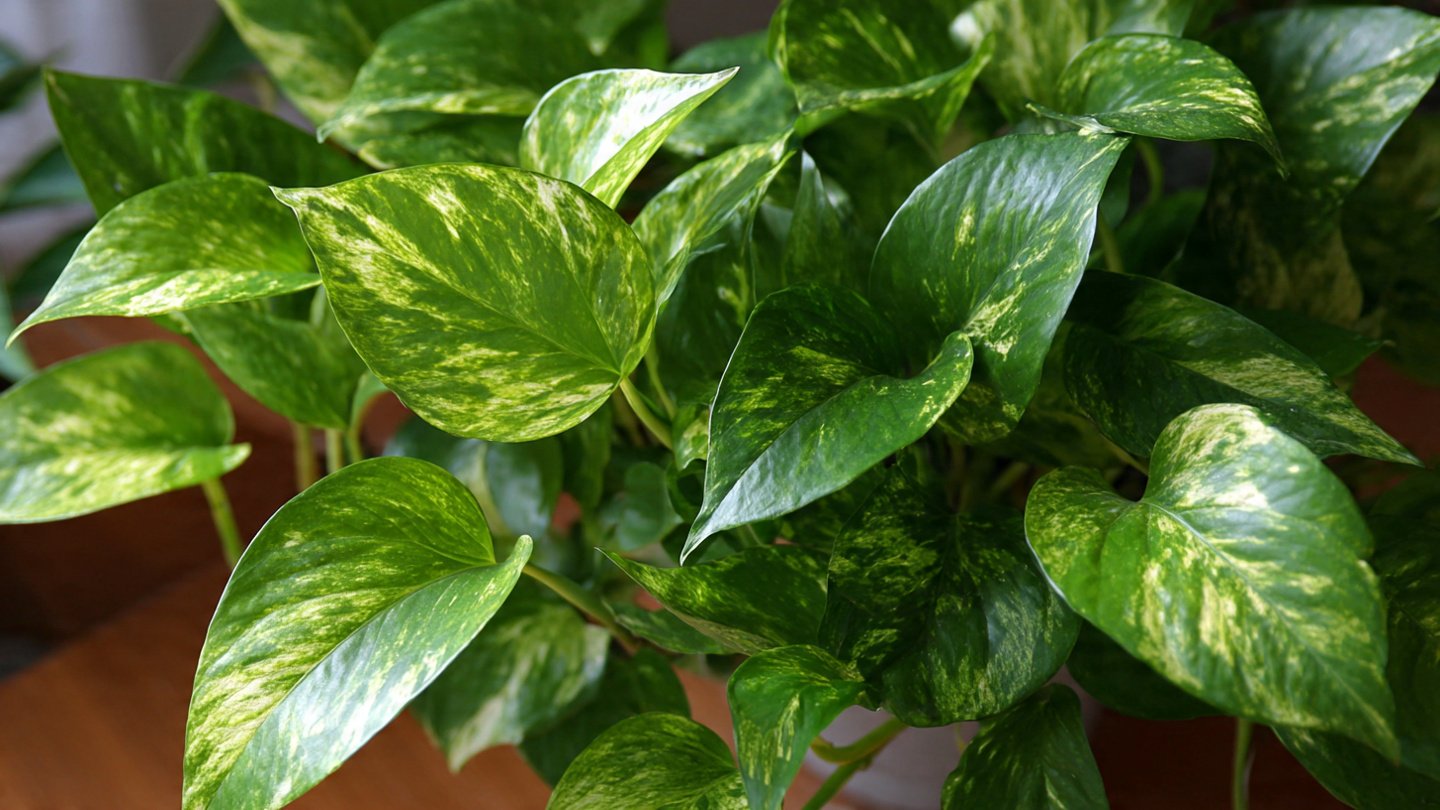
Pothos (Epipremnum aureum), also known as Devil’s Ivy, is one of the most popular houseplants worldwide—and for good reason. Its vibrant, trailing vines, heart-shaped leaves, and adaptability make it a favorite for beginners and seasoned plant enthusiasts alike. Pothos is low-maintenance yet incredibly rewarding, thriving in a variety of indoor conditions while improving air quality and adding a touch of greenery to any space.
While pothos is forgiving, plant experts agree that following a few smart care principles can transform a good-looking plant into a truly thriving one. This guide walks you through expert-approved strategies to optimize growth, prevent common problems, and keep your pothos healthy for years to come.
Understanding Pothos: A Resilient Houseplant
Native to Southeast Asia, pothos evolved in tropical forests where it climbs trees and spreads across the forest floor. This heritage gives it remarkable adaptability, allowing it to thrive under diverse conditions. Pothos can grow in low light, tolerate irregular watering, and flourish in different soil types.
However, to maximize growth, leaf vibrancy, and trailing length, understanding its natural preferences is key. Plant experts recommend focusing on four main areas: light, watering, soil, and pruning.
Light Requirements: Finding the Sweet Spot
Pothos can survive in low-light environments, making it perfect for offices and rooms with minimal sunlight. However, experts emphasize that moderate, indirect light encourages stronger growth, more vibrant leaves, and longer vines.
Expert Tips:
- Place your pothos near east- or north-facing windows to receive bright, filtered light.
- Avoid harsh, direct sunlight from south- or west-facing windows, which can scorch leaves.
- Low-light areas are fine, but growth may slow, and variegation in certain pothos varieties may fade.
Artificial light, such as LED grow lights, can supplement natural light if your indoor space is dim. Pothos is versatile, but providing the right light ensures the plant grows vigorously and maintains its signature glossy foliage.
Watering Wisely: Avoiding Common Pitfalls
Overwatering is one of the most common mistakes with pothos. These plants are susceptible to root rot if left in soggy soil. Experts advise a “wait until the top 1–2 inches of soil are dry” approach rather than following a strict watering schedule.
Watering Tips from Experts:
- Check Soil Moisture: Stick your finger into the soil. If it feels dry at the top, it’s time to water.
- Water Thoroughly: Water until it drains from the bottom of the pot, ensuring all roots are hydrated.
- Avoid Standing Water: Remove excess water from saucers to prevent rot.
- Adjust Seasonally: Pothos needs less water in winter when growth slows.
By watering thoughtfully, you prevent overwatering while ensuring your pothos has enough moisture to thrive.
Soil and Pot Selection: The Foundation of Growth
Healthy pothos begins with well-draining soil and the right pot. Experts recommend using a light, airy potting mix formulated for indoor plants or mixing standard potting soil with perlite or orchid bark for drainage.
Pot Tips:
- Choose a pot with drainage holes to prevent water accumulation.
- Avoid overly large pots, as excess soil can retain too much moisture.
- Consider hanging pots or trellises for climbing varieties to encourage natural growth habits.
Good soil aeration, combined with proper watering, ensures roots remain healthy, supporting vigorous vine growth and lush foliage.
Fertilization: Feeding Your Pothos Smartly
While pothos can survive without fertilization, plant experts recommend light, regular feeding to encourage healthy growth. A balanced liquid fertilizer diluted to half-strength works best every 4–6 weeks during the growing season (spring and summer).
Fertilizer Tips:
- Reduce feeding in fall and winter when growth slows.
- Avoid over-fertilizing, which can burn roots and cause leaf tip browning.
- For long-term soil health, consider adding slow-release fertilizers in potted plants.
Proper nutrition helps maintain vibrant leaf coloration, strong stems, and continuous growth throughout the year.
Pruning and Propagation: Keeping Vines Vibrant
Pruning is essential to maintaining a healthy, attractive pothos plant. Experts note that regular trimming not only improves appearance but also encourages new growth.
Pruning Tips:
- Trim leggy or overgrown vines just above a leaf node. This stimulates lateral growth and fuller foliage.
- Remove yellow or damaged leaves to maintain plant health.
- Regular pruning can be used for propagation: simply place cuttings in water or soil to grow new plants.
Propagation is one of the easiest and most rewarding aspects of pothos care. With minimal effort, you can multiply your collection while keeping the parent plant lush and bushy.
Monitoring for Pests and Problems
Even resilient pothos plants can face minor issues. Common problems include yellowing leaves, root rot, and pests such as spider mites or mealybugs. Experts recommend:
- Inspecting regularly: Check the underside of leaves and stems for pests.
- Maintaining proper humidity: Pothos tolerates average household humidity but benefits from occasional misting or a nearby humidity tray in dry conditions.
- Cleaning leaves: Wipe down leaves to remove dust and improve photosynthesis.
Early detection and preventative care help pothos remain healthy and prevent minor issues from becoming serious problems.
Environmental Tips for Thriving Pothos
Pothos can adapt to varying indoor conditions, but expert gardeners recommend:
- Keeping the plant away from cold drafts or sudden temperature changes.
- Avoiding placement near heating vents that can dry out soil.
- Rotating the plant occasionally to ensure even growth and prevent leaning toward light sources.
Creating a stable environment ensures long-term growth and allows your pothos to thrive without constant intervention.
The Benefits of Expert Care
By following smart care strategies, your pothos can offer multiple benefits:
- Air purification: Removes indoor toxins, improving overall air quality.
- Aesthetic appeal: Trailing vines add greenery and elegance to any room.
- Low maintenance: Even with minimal care, pothos continues to grow.
- Propagation opportunities: Easily expand your indoor garden with cuttings.
These benefits, combined with proper lighting, watering, and pruning, make pothos one of the most rewarding houseplants to grow.
Conclusion
Pothos plants are resilient, versatile, and visually stunning, but expert-approved care practices can elevate them from “surviving” to thriving. By providing moderate, indirect light, watering carefully, using well-draining soil, pruning regularly, and monitoring for pests, you create the ideal conditions for your pothos to flourish.
Whether you’re a beginner or a seasoned plant enthusiast, following these smart strategies ensures your pothos remains lush, vibrant, and full of trailing vines year-round. With minimal effort and a little attention to detail, your pothos can become a centerpiece of greenery and natural beauty in your home—truly showcasing why it’s one of the most popular houseplants worldwide.