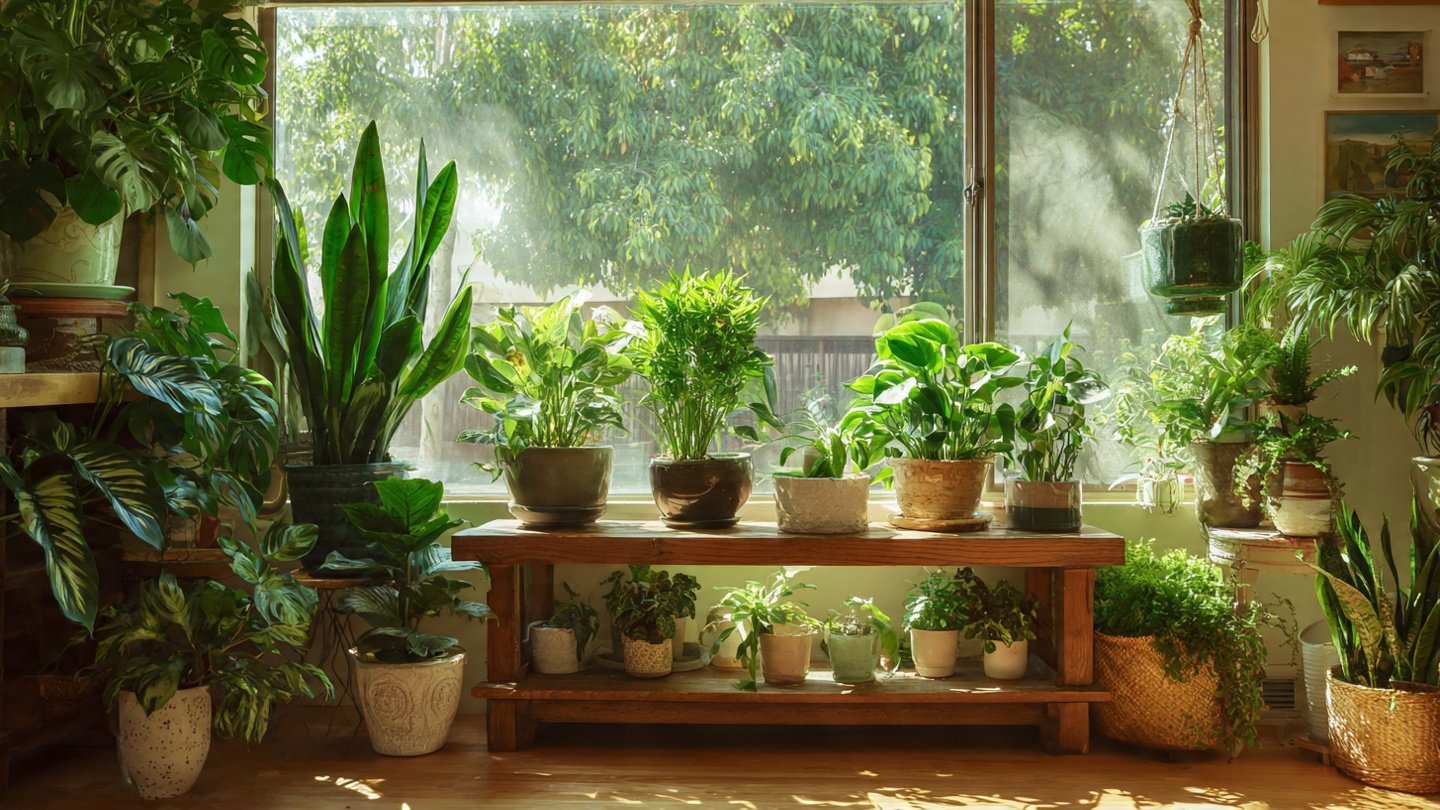
Foliage houseplants have become an essential part of modern homes, bringing a sense of calm, beauty, and connection to nature indoors. From glossy leaves to delicate textures and dramatic shapes, lush green foliage can completely transform a living space. However, achieving healthy, vibrant growth is not just about placing a plant near a window and watering it occasionally. It requires an understanding of plant needs, consistency in care, and a few smart techniques that make all the difference.
This comprehensive guide will walk you through the best ways to grow foliage houseplants successfully, helping you achieve thick, green growth that looks healthy year-round.
Understanding What Foliage Plants Need
Foliage plants are grown primarily for their leaves rather than flowers. Their health and appearance depend on a balance of light, water, nutrients, air, and proper care. When any one of these factors is out of balance, plants often respond with yellowing leaves, stunted growth, or leaf drop.
The key to lush foliage is not overdoing any single element but providing steady, appropriate care that mimics the plant’s natural environment as closely as possible.
Choosing the Right Plant for Your Space
One of the most overlooked aspects of success with houseplants is plant selection. Not all foliage plants thrive in the same conditions. Before bringing a plant home, consider the following:
- Light availability: Observe how much natural light your space receives throughout the day. Some plants prefer bright indirect light, while others adapt well to low-light conditions.
- Humidity levels: Certain foliage plants thrive in humid environments, while others prefer drier air.
- Maintenance level: If you are a beginner or have a busy schedule, choose hardy plants that tolerate minor care mistakes.
Starting with the right plant for your environment reduces stress on both you and the plant and increases your chances of achieving lush growth.
Providing Optimal Light Conditions
Light is the primary energy source for plants, and foliage quality is directly linked to proper lighting. Most foliage houseplants prefer bright, indirect light. Direct sunlight can scorch leaves, while insufficient light leads to weak stems and dull-colored foliage.
To optimize light:
- Place plants near windows with filtered light.
- Rotate pots every few weeks to ensure even growth.
- If natural light is limited, consider using grow lights to supplement.
Healthy light exposure encourages compact growth, richer leaf color, and stronger stems.
Mastering the Art of Watering
Watering is one of the most common causes of poor foliage growth. Both overwatering and underwatering can harm plants, often showing similar symptoms such as wilting or yellow leaves.
Best watering practices include:
- Always check the soil moisture before watering.
- Water thoroughly until excess drains out of the pot.
- Allow the top layer of soil to dry slightly for most foliage plants before watering again.
Using pots with drainage holes is essential, as standing water can lead to root rot and weakened foliage.
The Importance of High-Quality Soil
Soil acts as both a support system and a nutrient reservoir. For lush foliage growth, soil must be well-draining while still retaining enough moisture for roots.
An ideal soil mix for foliage houseplants:
- Allows excess water to drain freely
- Contains organic matter for nutrients
- Remains loose and airy to promote root health
Refreshing the top layer of soil or repotting every one to two years helps replenish nutrients and prevents compaction.
Feeding Your Plants the Right Way
Foliage plants need nutrients to maintain vibrant leaves and steady growth. Nitrogen, in particular, plays a major role in leaf development.
Tips for fertilizing:
- Use a balanced or foliage-focused fertilizer during the growing season.
- Feed lightly but regularly rather than heavily all at once.
- Reduce or stop fertilizing during dormancy or slower growth periods.
Over-fertilizing can cause leaf burn and salt buildup, so moderation is key.
Managing Humidity for Healthier Leaves
Many foliage plants originate from tropical environments where humidity is naturally high. Dry indoor air, especially during winter or in air-conditioned spaces, can lead to brown leaf edges and poor growth.
Ways to increase humidity include:
- Grouping plants together
- Using a humidifier
- Placing pots on trays filled with water and pebbles
- Lightly misting leaves when appropriate
Maintaining moderate humidity helps leaves remain supple, glossy, and vibrant.
Regular Pruning and Cleaning
Pruning is not just for shaping plants—it encourages new growth. Removing yellow, damaged, or old leaves allows the plant to redirect energy toward healthy foliage.
Additionally, dust buildup on leaves can block light absorption. Gently wiping leaves with a damp cloth improves photosynthesis and keeps plants looking fresh.
Regular maintenance keeps foliage plants healthy and visually appealing.
Preventing and Managing Pests
Even well-cared-for plants can occasionally attract pests. Common issues include mites, aphids, and mealybugs, which feed on plant sap and weaken foliage.
Preventive measures:
- Inspect plants regularly
- Isolate new plants before placing them near others
- Keep leaves clean and healthy
If pests appear, early treatment with natural or mild solutions prevents serious damage and helps maintain lush growth.
Consistency Is the Secret to Lush Growth
The most important factor in achieving vibrant foliage is consistency. Plants thrive on stable conditions. Sudden changes in light, temperature, or watering routines can cause stress and slow growth.
By observing your plants and responding gradually to their needs, you build a care routine that supports long-term health and beauty.
Final Thoughts
Achieving lush green growth in foliage houseplants is a rewarding process that combines knowledge, patience, and attentive care. By selecting the right plants, providing balanced light and water, enriching soil, maintaining humidity, and practicing regular maintenance, you can create an indoor garden filled with vibrant, healthy greenery.