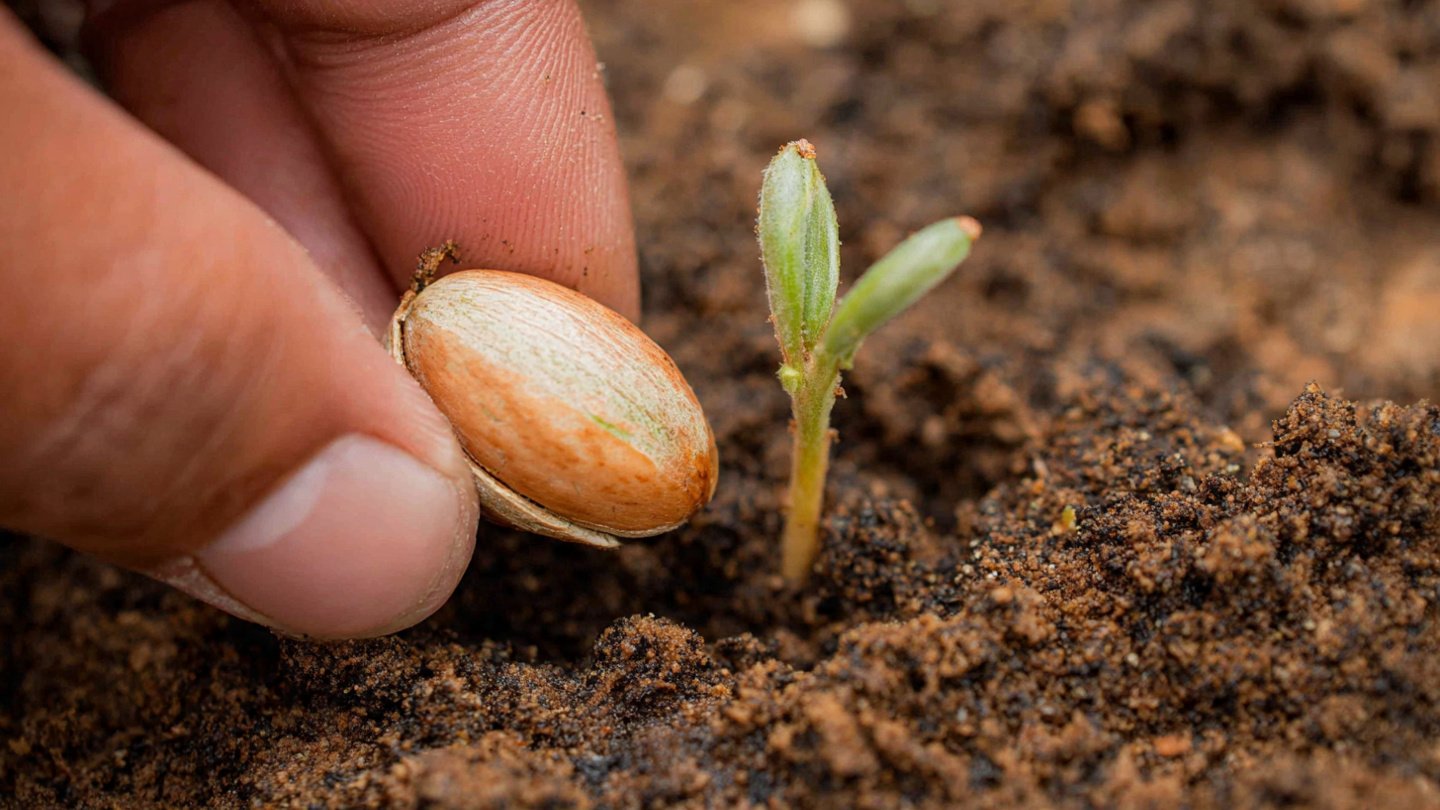
Chikoo, also known as sapodilla, is a beloved tropical fruit tree valued for its sweet flavor, dense evergreen foliage, and long productive life. Many gardeners dream of growing chikoo at home, but slow or uneven seed germination often becomes a major hurdle. Chikoo seeds can take weeks—or even months—to sprout if handled incorrectly. Fortunately, with the right preparation and technique, you can significantly speed up the germination process and grow strong, healthy seedlings.
This detailed guide explains how to achieve fast germination of chikoo seeds using reliable, beginner-friendly methods. From seed selection to post-germination care, every step plays a role in success.
Understanding Why Chikoo Seeds Germinate Slowly
Chikoo seeds have a naturally hard outer coat designed to protect them in the wild. While this ensures survival, it also slows water absorption and delays sprouting. In addition, old or poorly stored seeds lose viability quickly. Temperature, moisture, and oxygen levels further influence how fast seeds germinate.
By addressing these natural barriers through proper preparation, you can dramatically reduce germination time and improve success rates.
Selecting Fresh and Viable Seeds
Fast germination begins with the right seeds. Always choose seeds from fully ripe, healthy fruits. Fresh seeds germinate far more quickly than dried or stored ones.
After removing seeds from the fruit, rinse them thoroughly to remove sticky pulp, which can encourage fungal growth. Use seeds immediately whenever possible, as chikoo seeds lose viability within a few weeks. Avoid cracked, shriveled, or unusually small seeds, as they are less likely to sprout.
Preparing Seeds for Faster Sprouting
Seed preparation is the most important step in speeding up germination. One of the most effective techniques is soaking.
Soak chikoo seeds in clean, room-temperature water for 24 hours. This softens the hard seed coat and allows moisture to penetrate more easily, triggering the germination process. Discard any seeds that float after soaking, as they are usually non-viable.
For even faster results, some gardeners gently rub the seed surface with fine sandpaper or a nail file before soaking. This process, known as scarification, helps water enter the seed more quickly but must be done carefully to avoid damaging the embryo.
Choosing the Right Growing Medium
The germination medium should be light, well-draining, and moisture-retentive. Heavy garden soil can hold too much water and cause seeds to rot before sprouting.
A good mix includes coco peat or peat moss combined with sand or perlite. This blend maintains moisture while allowing airflow around the seed. Sterile media are best, as they reduce the risk of fungal infections during early growth.
Fill small pots or seed trays with the prepared medium and lightly moisten it before planting.
Correct Planting Depth and Position
Planting depth plays a crucial role in germination speed. Chikoo seeds should be planted about one inch deep. Planting too shallow exposes the seed to drying, while planting too deep slows emergence.
Position the seed vertically if possible, with the pointed end facing downward. While not mandatory, this orientation can help the root emerge more efficiently and establish faster.
After planting, gently cover the seed with soil and press lightly to remove air pockets.
Maintaining Ideal Temperature and Moisture
Warmth is essential for quick chikoo seed germination. The ideal temperature range is between 25°C and 35°C. In cooler climates or seasons, placing pots in a warm indoor location or using a heat mat can make a significant difference.
Moisture should be consistent but never excessive. Water lightly whenever the surface feels dry. Overwatering is a common mistake that leads to seed rot. Covering pots with a clear plastic sheet or placing them in a humidity dome helps retain moisture and warmth, creating a greenhouse-like environment.
Ensure some ventilation to prevent mold buildup.
How Long Germination Takes with the Best Technique
Using fresh seeds, soaking, proper soil, and warm conditions, chikoo seeds can germinate in as little as 10 to 20 days. Without preparation, germination may take 30 to 60 days or longer.
Patience is still required, as individual seeds may sprout at different times. Continue maintaining optimal conditions even after the first seedling appears.
Caring for Seedlings After Germination
Once the seedling emerges, remove any plastic covering to improve airflow. Place the young plant in bright, indirect sunlight. Direct sunlight at this stage can scorch tender leaves.
Water regularly, keeping the soil slightly moist. Avoid fertilizing until the seedling has developed several true leaves. At that point, a diluted organic fertilizer can be applied to encourage healthy growth.
Strong early care ensures a sturdy root system and faster establishment.
Transplanting for Healthy Long-Term Growth
When the seedling reaches 6–8 inches in height and develops multiple leaves, it can be transplanted into a larger pot. Use well-draining soil and handle roots gently during transplanting to avoid shock.
Gradually expose the plant to more sunlight over a few weeks. This hardening process prepares the young chikoo plant for outdoor conditions if you plan to grow it in the ground later.
Common Mistakes That Slow Germination
Several common errors can delay or prevent chikoo seed germination:
- Using old or dried seeds
- Skipping soaking or scarification
- Overwatering the soil
- Planting too deep
- Keeping seeds in cool conditions
Avoiding these mistakes greatly improves both speed and success rate.
Final Thoughts on Fast Chikoo Seed Germination
Achieving fast germination of chikoo seeds is all about preparation, warmth, and consistency. By selecting fresh seeds, softening the seed coat, using the right soil mix, and maintaining ideal moisture and temperature, you can enjoy quicker sprouting and healthier seedlings.
Growing chikoo from seed is a rewarding process that connects you deeply with the plant’s life cycle. With the techniques outlined in this guide, even beginners can experience successful germination and take the first confident step toward growing a thriving chikoo tree at home.