Healthy soil is the foundation of any thriving garden. Without nutrient-rich earth, even the most carefully planted flowers or vegetables struggle to grow. One natural and effective way to enhance soil fertility is by planting lupines. These vibrant, flowering plants aren’t just visually stunning—they are also nitrogen-fixing powerhouses that can significantly improve soil quality over time. In this guide, we’ll explore how lupines contribute to soil health, how to plant them effectively, and how they can become a valuable part of your garden ecosystem.
What Makes Lupines Special?
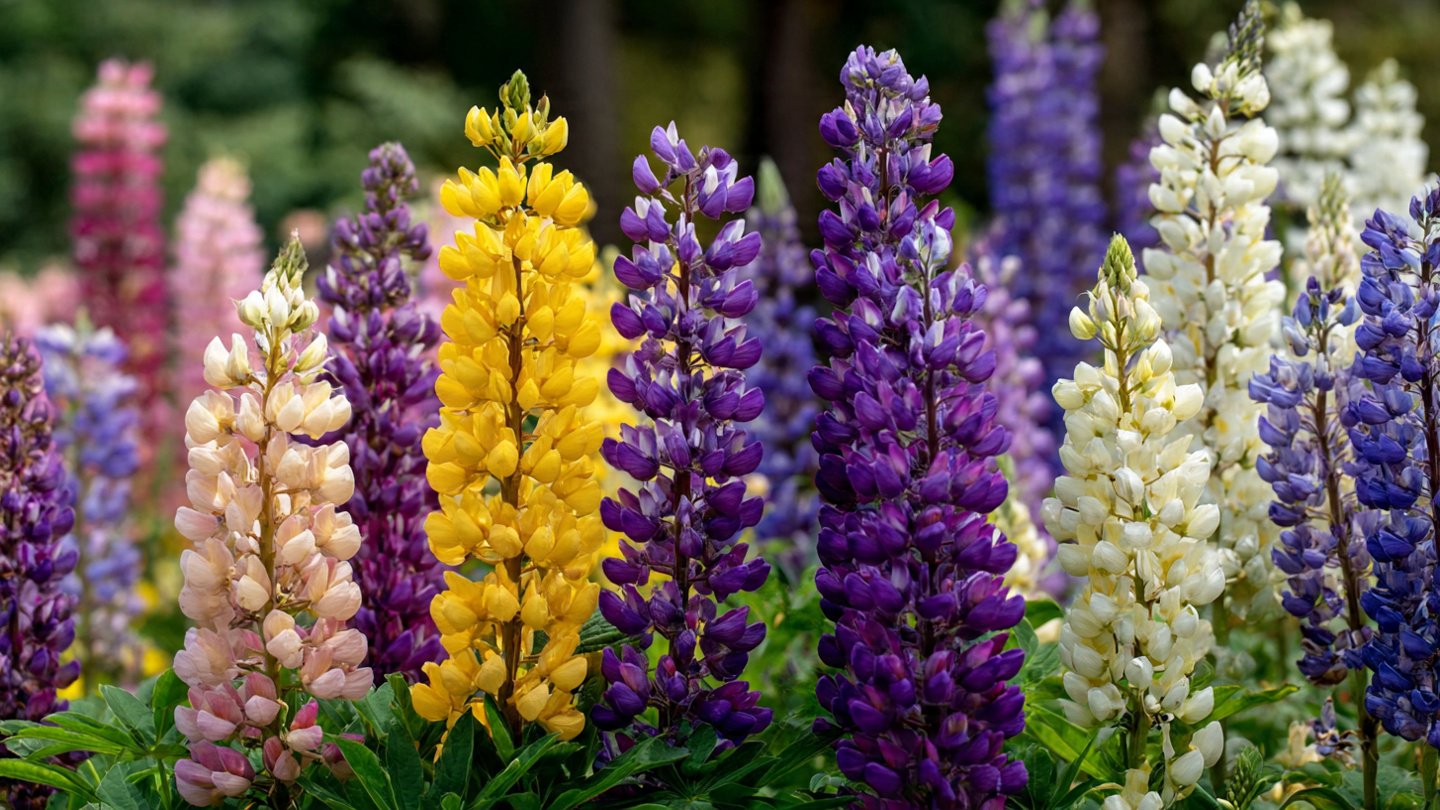
Lupines, part of the legume family, are known for their tall, spiky blooms in shades of purple, pink, blue, and white. But beyond their ornamental beauty, lupines have a remarkable ecological function: they host beneficial bacteria in their root nodules that convert atmospheric nitrogen into forms usable by plants. This process, called biological nitrogen fixation, enriches the soil naturally, reducing the need for synthetic fertilizers.
By planting lupines in your garden, you’re essentially letting these plants work as natural soil enhancers. Over time, the nitrogen they contribute improves soil fertility, boosts the growth of neighboring plants, and encourages a healthy garden ecosystem.
The Nitrogen Cycle and Lupines
Nitrogen is essential for plant growth. It supports leaf development, photosynthesis, and overall vigor. However, most garden soils are naturally low in nitrogen, which is why gardeners often rely on chemical fertilizers. Lupines, like other legumes, form a symbiotic relationship with Rhizobium bacteria, which live in root nodules and convert atmospheric nitrogen into ammonium—a form plants can absorb.
This means planting a row of lupines not only benefits the lupines themselves but also enriches the surrounding soil, providing a slow-release source of nitrogen for future crops or companion plants. Over time, a garden bed that includes lupines can become significantly more fertile and sustainable.
Choosing the Right Lupine Variety
Not all lupines are the same, and selecting the right variety is essential for maximizing nitrogen fixation and garden aesthetics. Here are some popular choices:
- Perennial Lupines: These come back year after year and are ideal for long-term soil improvement. Examples include Lupinus polyphyllus, which produces tall flower spikes and thrives in cooler climates.
- Annual Lupines: These grow quickly, bloom beautifully, and improve soil for a single season. Examples include Lupinus nanus, suitable for quick nitrogen enrichment in raised beds or mixed flower borders.
- Dwarf Lupines: Perfect for small spaces or container gardening, they still contribute nitrogen while adding color and texture to your garden.
When choosing a variety, consider climate, bloom time, and growth habit to match your garden conditions.
How to Plant a Row of Lupines
To maximize both their ornamental appeal and nitrogen-fixing benefits, follow these planting tips:
- Select the Right Site: Lupines prefer well-draining soil and full sun to partial shade. Avoid areas with heavy clay or consistently wet soil.
- Prepare the Soil: While lupines improve soil fertility, they prefer slightly acidic to neutral soil (pH 6.0–7.0). Loosen the soil and mix in compost to encourage strong root development.
- Sowing Seeds: Lupine seeds have a hard outer coat. Scarify them lightly with sandpaper or soak them overnight to improve germination rates. Plant seeds about ½ inch deep and space them 12–18 inches apart to allow room for growth.
- Watering: Keep soil moist but not waterlogged during germination. Once established, lupines are relatively drought-tolerant but benefit from occasional deep watering.
- Mulching: Apply a light layer of mulch to retain soil moisture, suppress weeds, and maintain an even soil temperature.
Caring for Lupines
Maintaining healthy lupines ensures they continue to enrich the soil effectively:
- Pruning and Deadheading: Remove spent flowers to encourage more blooms and prevent self-seeding if you don’t want an overly crowded garden.
- Pest and Disease Management: Lupines are relatively hardy, but watch for aphids, slugs, and fungal infections. Use natural remedies or neem oil if necessary.
- Nitrogen Contribution: While lupines themselves absorb some nitrogen, the majority is stored in their root nodules and eventually released into the soil as plant matter decomposes. Avoid removing all foliage at the end of the season if possible.
Companion Planting Benefits
Lupines don’t just enrich the soil—they also benefit neighboring plants. Here’s how:
- Vegetable Gardens: Planting lupines near nitrogen-hungry crops like tomatoes, corn, or leafy greens can naturally boost growth.
- Perennial Beds: Lupines’ deep roots help break up compacted soil, improving drainage and aeration for other perennials.
- Pollinator Attraction: Lupine flowers attract bees, butterflies, and other pollinators, enhancing fruit set and biodiversity in your garden.
Enhancing Soil Fertility Beyond Nitrogen
In addition to nitrogen enrichment, lupines provide other soil benefits:
- Organic Matter: When leaves, stems, and flowers decompose, they add organic material that improves soil structure and water retention.
- Erosion Control: Lupines’ deep taproots stabilize soil, preventing erosion on slopes or in exposed garden beds.
- Microbial Health: The symbiotic bacteria associated with lupines encourage a healthy microbial community, supporting nutrient cycling and soil resilience.
Harvesting and Using Lupines
While primarily grown for soil improvement and ornamental purposes, lupine seeds are also edible in some species after proper processing. However, many ornamental varieties contain alkaloids and should not be consumed without research. The flowers and foliage can be used as green mulch, compost, or left in place to naturally decay, returning nutrients to the soil.
Creating a Sustainable Garden with Lupines
Incorporating lupines into your garden aligns perfectly with sustainable gardening practices. By reducing reliance on chemical fertilizers, attracting pollinators, and improving soil health, lupines help create a resilient and eco-friendly garden. Over time, your garden will require less external input, reduce waste, and maintain productivity naturally.
Final Thoughts
Planting a row of lupines is a simple yet effective way to boost soil nitrogen levels while adding beauty to your garden. These striking flowering plants work in harmony with beneficial bacteria to naturally enrich the soil, support surrounding plants, and contribute to a healthier, more sustainable garden ecosystem. Whether you choose annuals for a quick impact or perennials for long-term benefits, lupines are a gardener’s ally in creating fertile, thriving soil without the use of synthetic fertilizers.
By integrating lupines into your planting strategy, you not only enjoy their vibrant blooms but also set the stage for future gardening success. Healthy soil leads to healthy plants, and healthy plants lead to a vibrant, productive garden that can flourish season after season.