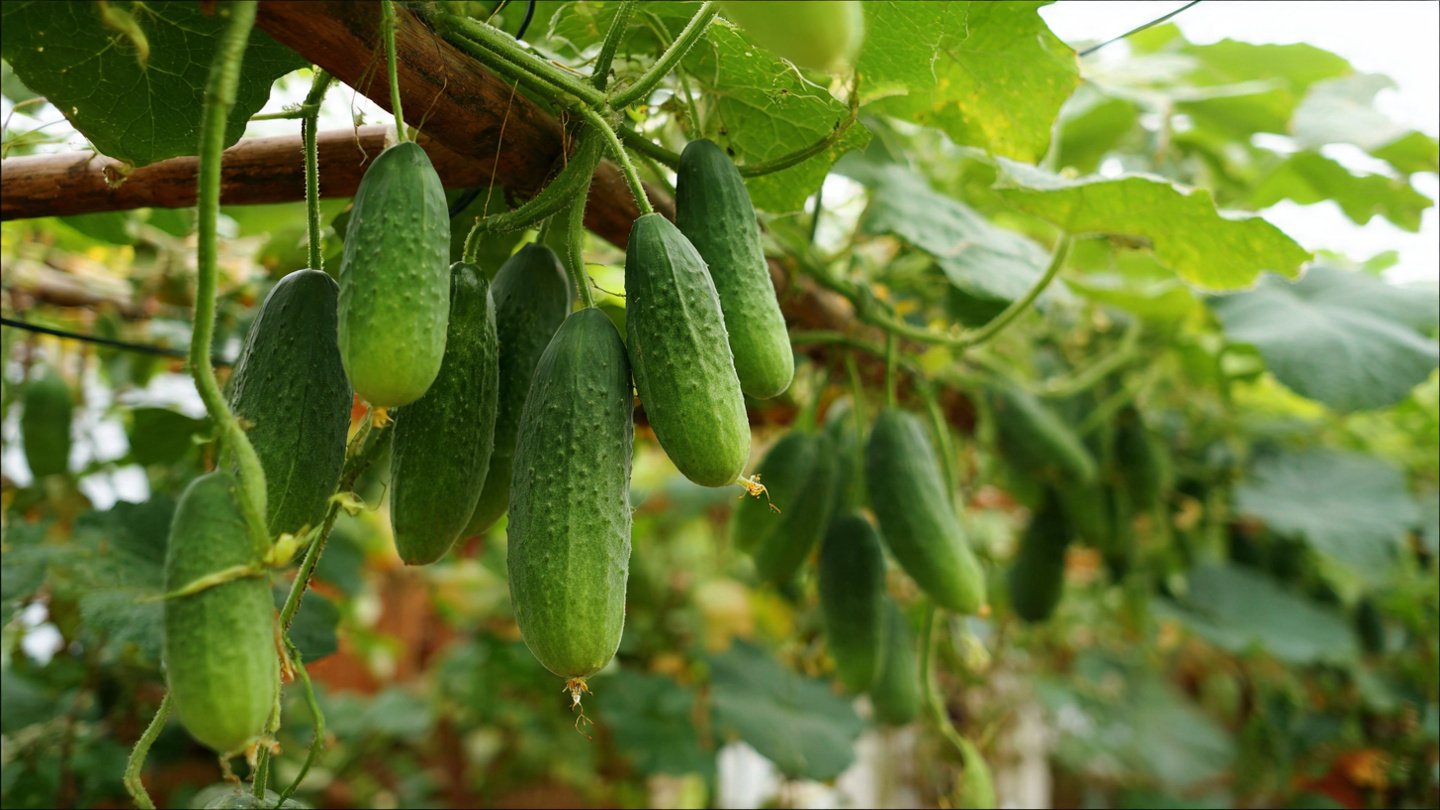
Cucumbers are one of the most satisfying vegetables to grow at home. They are crisp, refreshing, and highly versatile—perfect for salads, pickles, or a quick snack. Yet, many home gardeners struggle to get high yields, often seeing just a handful of fruits from an entire season. The secret to abundant cucumber harvests lies not in luck, but in methodical care, smart planting techniques, and understanding the plant’s needs.
In this guide, I’ll share how I grow cucumbers easily at home using simple methods that consistently produce 10 times more fruit than traditional approaches. Whether you have a terrace, balcony, or small garden, this method can dramatically increase your cucumber yield.
Why Growing Cucumbers at Home Is So Rewarding
Homegrown cucumbers have many advantages:
- Freshness: They are far crisper and juicier than store-bought cucumbers.
- Chemical-free: You control every aspect of growth, avoiding pesticides and harmful fertilizers.
- Continuous harvest: With proper care, cucumber plants produce fruit for months.
- Cost-effective: A few plants can supply your family with cucumbers for an entire season.
By following the right techniques, even small spaces can yield impressive harvests.
Choosing the Right Cucumber Variety
The first step in growing cucumbers easily is selecting a variety suited to your space and climate. Some popular options include:
- Slicing cucumbers: Large, thick-skinned, perfect for salads.
- Pickling cucumbers: Shorter, thinner, ideal for homemade pickles.
- Bush or dwarf varieties: Compact, perfect for pots and small gardens.
- Vining varieties: Grow rapidly and produce abundant fruits with proper trellising.
For maximum productivity, I prefer vining varieties combined with vertical trellis support. They produce 3–4 times more fruits per plant than bush types in the same space.
Preparing the Soil for Maximum Growth
Cucumbers are heavy feeders and require nutrient-rich soil for abundant fruiting.
My Soil Mix Formula:
- 40% garden soil
- 30% well-rotted compost
- 20% cocopeat or coco coir
- 10% sand for drainage
Spinach, tomatoes, and cucumbers thrive in slightly acidic to neutral soil (pH 6.0–7.0). I also mix a small handful of vermicompost per plant at planting to boost root growth and increase nutrient availability.
Good soil ensures faster growth, larger leaves, and stronger fruits—without requiring expensive fertilizers.
Container vs. Ground Planting
I use both containers and garden beds, depending on space availability:
- Containers: Ideal for terraces and balconies. Use pots at least 12–15 inches deep and wide with good drainage.
- Ground beds: Best for large-scale production. Ensure beds are elevated slightly for proper drainage.
Using containers allows me to move plants for optimal sunlight and protect them from extreme weather, while ground planting provides more space for sprawling vines.
Planting Cucumbers the Easy Way
I plant cucumbers either from seeds or seedlings:
From Seeds:
- Soak seeds in water for 12–24 hours to speed germination.
- Sow seeds 1 inch deep in prepared soil.
- Space 2–3 seeds per pot or 12–18 inches apart in garden beds.
- Thin seedlings after 7–10 days, leaving the strongest plant.
From Seedlings:
- Plant seedlings carefully, keeping roots intact.
- Water immediately after transplanting.
- Apply a light layer of compost around the base.
Seeds germinate within 5–10 days, and young plants establish quickly with proper care.
Sunlight and Location
Cucumbers are sun-loving plants. Adequate sunlight directly impacts growth speed and fruit production:
- Provide 6–8 hours of direct sunlight daily.
- For terraces or balconies, rotate pots weekly to ensure even growth.
- In extremely hot climates, partial afternoon shade prevents leaf scorching.
Plants receiving full sunlight develop strong stems, vibrant leaves, and more flowers, which eventually leads to higher yields.
Watering for Maximum Productivity
Watering cucumbers correctly is key to abundant harvests:
- Keep soil consistently moist, not soggy.
- Water deeply 2–3 times per week, increasing frequency during hot weather.
- Mulch around the base with straw or dried leaves to retain moisture and suppress weeds.
Avoid overwatering, which can cause root rot, and underwatering, which slows growth and reduces fruit size. Consistent moisture encourages rapid vine growth and faster flowering.
Fertilizing for 10x Yield
Cucumbers thrive when fed regularly with organic nutrients:
- Apply compost or vermicompost every 2–3 weeks.
- Use liquid organic fertilizers like vermiwash or diluted cow urine for quick nutrient absorption.
- Add potassium-rich feed once flowers appear to increase fruit size and sweetness.
I avoid excessive nitrogen during flowering because it promotes leaf growth but reduces fruit formation. Balanced nutrition ensures strong, flowering vines and bountiful harvests.
Supporting the Vines
Vining cucumbers can produce 10 times more fruits if trained vertically:
- Use a trellis, bamboo sticks, or netting for vines to climb.
- Tie vines loosely with soft twine or strips of cloth.
- Remove lower leaves touching the soil to prevent fungal infections.
Vertical growth not only saves space but also keeps fruits clean and healthy, making harvesting easier.
Pruning for Faster Growth
Pruning is an essential trick I use for high-yield cucumbers:
- Remove weak or overcrowded shoots to direct energy to stronger vines.
- Pinch early flowers on young plants to encourage robust vegetative growth.
- Trim yellowing leaves to maintain airflow and reduce disease.
Pruning helps the plant focus its energy on producing larger, healthier fruits.
Flowering and Fruit Development
Cucumbers begin flowering 4–6 weeks after planting. Small yellow flowers appear first, followed by tiny cucumber fruits.
To ensure maximum fruit set:
- Maintain consistent watering.
- Fertilize regularly.
- Provide adequate sunlight.
- Hand-pollinate flowers if necessary, especially in indoor or balcony setups.
Fruits develop rapidly and can be harvested in 50–60 days depending on the variety.
Common Challenges and Solutions
Even with careful care, cucumbers can face minor challenges:
- Powdery mildew: Remove affected leaves and ensure proper air circulation.
- Aphids or whiteflies: Spray neem oil or mild soap solution.
- Fruit drop: Often caused by inconsistent watering or temperature stress.
Early detection and proactive care ensure the plants remain healthy and productive.
Harvesting Cucumbers
Regular harvesting encourages continuous production:
- Pick cucumbers when they reach their ideal size and color.
- Twist or cut fruits gently to avoid damaging the vine.
- Harvesting frequently stimulates the plant to produce more fruits.
With proper care, a single vertical cucumber plant can produce dozens of fruits in a season.
Tips for Maximum Productivity
- Always use vertical supports for vining varieties.
- Apply mulch to conserve moisture and protect roots.
- Sow seeds in intervals for continuous harvest.
- Fertilize consistently with organic compost and liquid feed.
- Monitor plants regularly for pests or diseases.
These small steps, applied consistently, make a dramatic difference in productivity.
Final Thoughts
Growing cucumbers easily at home and achieving 10 times more productive harvests is possible with the right techniques. By focusing on quality soil, proper sunlight, consistent watering, vertical growth, and regular pruning, anyone can cultivate healthy, high-yield cucumber plants—even in small spaces.
With this method, your terrace, balcony, or garden bed can provide a steady supply of fresh, crisp cucumbers throughout the season, making your homegrown harvest both abundant and satisfying.