Creating a green sanctuary in your home or garden doesn’t always require blazing sunlight or exotic plants. In fact, shade-loving foliage can turn even the darkest corners into a vibrant, lush oasis. From indoor apartments with limited window exposure to garden areas blocked by tall trees or structures, shade-tolerant plants can provide color, texture, and tranquility—without needing constant direct sunlight.
Here’s a comprehensive guide on how to design a thriving, shade-filled green space that feels alive, inviting, and stress-relieving.
1. Understanding Shade: Types and Plant Needs
Before selecting plants, it’s essential to understand the types of shade:
- Full shade: Areas that receive less than 2 hours of direct sunlight daily. Ideal for delicate ferns, calatheas, and mosses.
- Partial shade: Areas with 3–6 hours of indirect or filtered sunlight. Many tropical foliage plants thrive here.
- Dappled or filtered shade: Sunlight passes through leaves or a light screen, creating a patterned effect, perfect for variegated leaves or flowering shade plants.
Knowing the type of shade your space offers ensures that you choose plants suited to thrive, not just survive.
2. Choosing the Right Shade-Loving Plants
The key to a lush oasis is plant selection. Shade-loving foliage comes in many shapes, sizes, and colors. Consider the following options:
Indoor Shade Plants
- Calathea: Striking patterned leaves, thrives in low light and humidity.
- ZZ Plant: Hardy, low-maintenance, tolerates minimal light.
- Philodendron: Trailing or climbing varieties, ideal for shelves and hanging baskets.
- Snake Plant: Upright, architectural foliage that survives low light and irregular watering.
Outdoor Shade Plants
- Ferns: Boston fern, maidenhair fern, and sword fern add feathery texture.
- Hostas: Large, colorful leaves create visual impact in shady garden corners.
- Heuchera (Coral Bells): Vibrant leaf colors from burgundy to lime green brighten low-light areas.
- Astilbe: Foliage combined with feathery plumes adds depth and contrast.
By combining these plants, you can create layers, textures, and visual interest in any shaded space.
3. Using Layers and Heights for Visual Impact
Shade gardens can feel dark or flat without careful layering and height variation:
- Tall background plants: Ferns or shade-tolerant palms create a backdrop.
- Mid-height focal plants: Hostas, calatheas, or philodendrons provide mid-level visual interest.
- Low ground cover: Moss, ivy, or small ferns cover soil and prevent a bare look.
Layering adds depth, mimicking a natural forest or jungle environment, making your space feel immersive and lush.
4. Choosing the Right Containers and Pots
For indoor and patio spaces, pots and containers play a crucial role:
- Material: Terracotta allows airflow, while ceramic or resin retains moisture.
- Size: Larger pots encourage root growth and plant stability.
- Grouping: Cluster multiple plants in varying heights to create a mini oasis effect.
- Drainage: Ensure pots have holes to prevent root rot in shade-loving plants, which can be sensitive to overwatering.
Thoughtful container selection complements your plants and enhances the overall aesthetic.
5. Soil, Watering, and Fertilization
Shade-loving foliage often thrives in moist, nutrient-rich soil, but each species has specific needs:
- Soil mix: A blend of peat moss, perlite, and compost works well for most shade-tolerant plants.
- Watering: Monitor soil moisture. Many shade plants prefer consistent but not soggy soil. Overwatering can lead to root rot.
- Fertilization: Use balanced, slow-release fertilizers or liquid feed during growing seasons to encourage vibrant foliage.
Healthy soil and proper care ensure your shaded oasis remains thriving and resilient.
6. Lighting Adjustments for Indoor Spaces
Even shade plants benefit from indirect light. For indoor setups:
- Place plants near north or east-facing windows.
- Use sheer curtains to filter sunlight for sensitive leaves.
- Supplement with artificial grow lights if natural light is insufficient. LED grow lights mimic sunlight and support healthy growth.
Strategically adjusting light helps shade plants retain vibrant color and growth, even indoors.
7. Incorporating Decorative Elements
To make your shaded space feel like a true oasis, layer in decorative elements:
- Rocks, pebbles, and driftwood: Add texture and a natural feel.
- Water features: Small fountains or bowls enhance humidity and provide calming sounds.
- Hanging planters: Utilize vertical space to create a jungle-like effect.
- Seating: A small chair or bench invites relaxation and enjoyment of your greenery.
These additions transform foliage into a sensory experience rather than just visual appeal.
8. Maintenance Tips for a Thriving Shade Garden
Even shade plants need regular care:
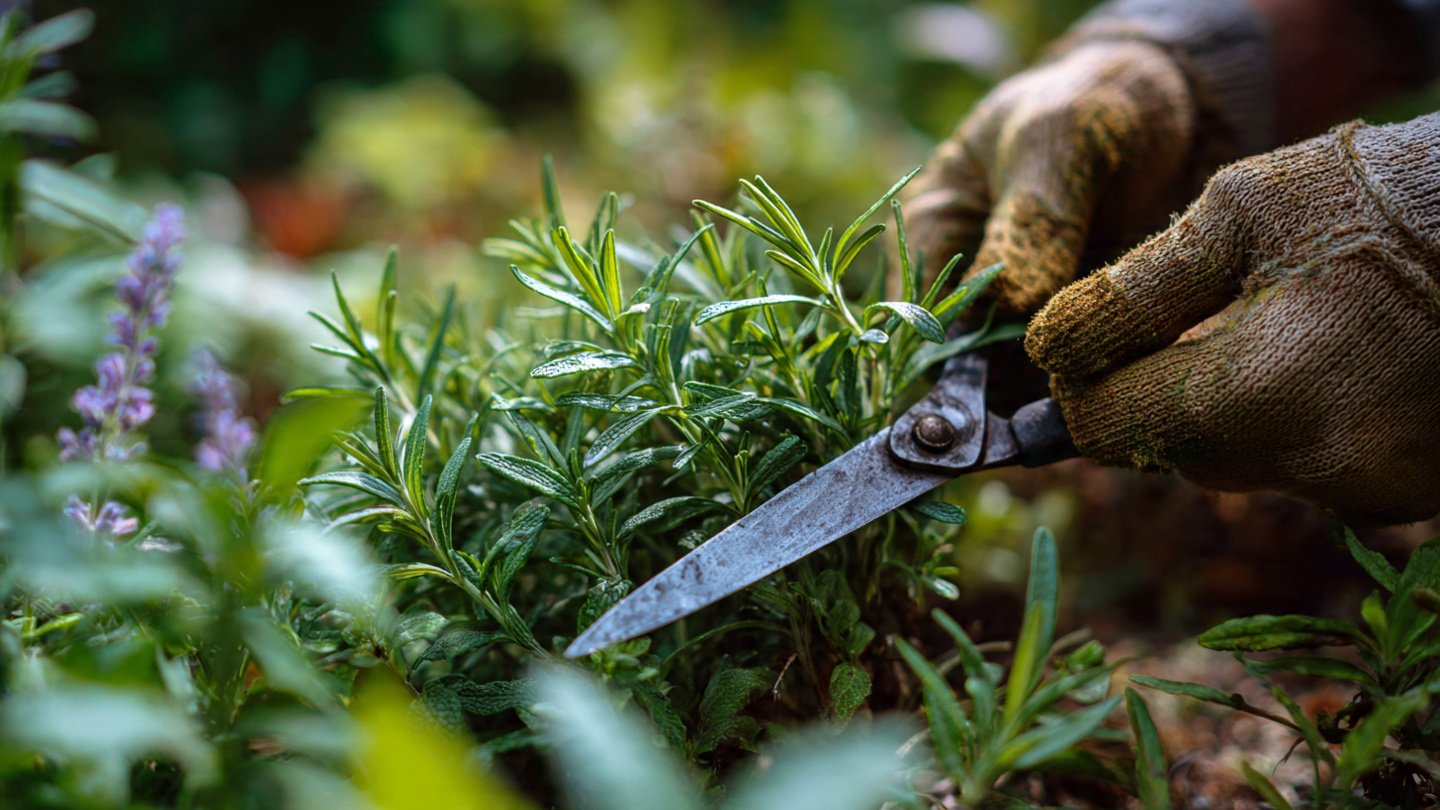
- Pruning: Remove yellowing or damaged leaves to encourage new growth.
- Cleaning leaves: Dust accumulates on indoor leaves; wipe gently to maintain photosynthesis.
- Monitoring pests: Common issues like spider mites or aphids can affect low-light areas.
- Rotating plants: Turn potted plants occasionally to promote even growth.
Consistent care ensures your oasis remains lush year-round.
9. Benefits of a Shade-Filled Oasis
Creating a space dominated by shade-loving foliage isn’t just about aesthetics:
- Stress reduction: Green spaces reduce anxiety and improve mental health.
- Air purification: Many indoor shade plants filter toxins from the air.
- Humidity regulation: Ferns and mosses can increase moisture in dry indoor environments.
- Privacy and coziness: Dense foliage screens spaces, making patios, balconies, and rooms feel more intimate.
A shade garden provides both practical benefits and a sanctuary for relaxation.
10. Final Thoughts
Transforming a shaded space into a lush oasis is achievable with thoughtful plant selection, layering, and care. By embracing shade-loving foliage, you can create vibrant indoor corners, serene patios, or shadowy garden retreats that feel alive, fresh, and rejuvenating.
From tall ferns to trailing philodendrons and colorful hostas, every leaf contributes to a sense of abundance and calm. Even in low-light areas, a carefully curated collection of shade-tolerant plants can turn a dull corner into a thriving, green sanctuary—a true oasis in any home or garden.