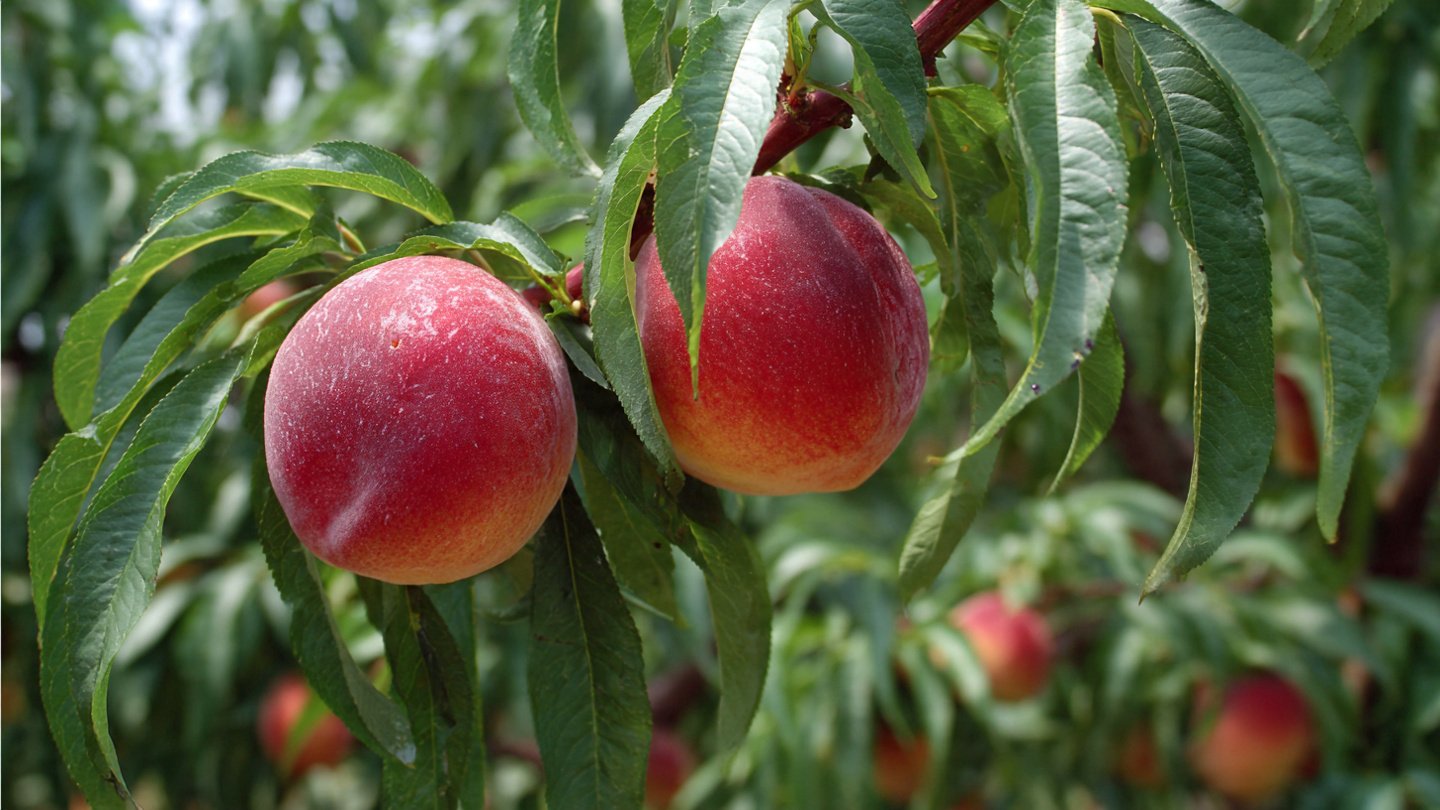
Fruit trees are generous by nature. In a good season, they often produce far more blossoms and young fruit than they can realistically support. While this abundance may seem like a blessing, leaving all that fruit on the tree can actually reduce overall quality, weaken the tree, and lead to disappointing harvests in the long run. This is where proper fruit thinning becomes one of the most important—yet often overlooked—orchard and home-garden practices.
Understanding how and why thinning new fruit benefits your fruit trees can transform not only the size and flavor of your harvest, but also the long-term health and productivity of your trees.
What Is Fruit Thinning?
Fruit thinning is the intentional removal of excess young fruit shortly after flowering and fruit set. Instead of allowing every blossom or tiny fruit to mature, gardeners selectively reduce the number of fruits so the tree can focus its energy on fewer, higher-quality outcomes.
This practice is commonly used on apple, pear, peach, plum, apricot, and nectarine trees, but it benefits many other fruiting trees as well.
Why Fruit Trees Need Thinning
Fruit trees operate on a limited energy budget. Water, nutrients, sunlight, and stored carbohydrates all play a role in fruit development. When a tree sets too much fruit, these resources are spread thin—often resulting in smaller, poorly flavored fruit and stressed branches.
Proper thinning helps the tree balance growth, fruiting, and long-term vitality.
Key Benefits of Proper Fruit Thinning
1. Larger, Better-Tasting Fruit
One of the most immediate benefits of thinning is improved fruit size and quality. With fewer fruits competing for nutrients, the remaining ones grow larger, develop better color, and accumulate more sugars.
Thinned fruit typically:
- Has higher sugar content
- Develops fuller flavor
- Achieves more uniform size
- Ripens more evenly
This is especially noticeable in apples, peaches, and pears, where overcrowded fruit often stays small and bland.
2. Prevents Branch Breakage
Heavy fruit loads can put enormous strain on branches, particularly during windy or rainy weather. Overloaded limbs are more likely to crack or break, causing permanent damage to the tree’s structure.
Thinning reduces weight stress, helping:
- Protect young and mature branches
- Maintain balanced tree shape
- Avoid wounds that invite pests and disease
Healthy branch structure means better fruiting potential in future seasons.
3. Improves Tree Health and Energy Balance
Producing fruit is energy-intensive. When trees attempt to mature too many fruits at once, they may divert resources away from root growth, leaf development, and overall vigor.
By thinning:
- The tree conserves energy
- Roots grow stronger
- Leaves remain healthier and more productive
- The tree is better equipped to handle heat, drought, and pests
This balance is crucial for long-term orchard success.
4. Reduces Pest and Disease Pressure
Crowded fruit creates ideal conditions for fungal diseases and insect infestations. Poor air circulation and fruit-to-fruit contact allow moisture to linger, increasing the risk of rot and mold.
Thinning helps by:
- Improving airflow and sunlight penetration
- Reducing humidity around fruit clusters
- Making pest and disease problems easier to detect early
Healthier spacing naturally lowers disease pressure without excessive chemical intervention.
5. Prevents Alternate Bearing
Alternate bearing occurs when a fruit tree produces a massive crop one year and very little the next. This boom-and-bust cycle is common in trees that are never thinned.
When a tree exhausts itself producing too much fruit in one season, it often fails to set flower buds for the next year.
Proper thinning:
- Encourages consistent annual production
- Helps regulate flowering cycles
- Leads to more predictable harvests year after year
For home gardeners, this consistency is just as valuable as fruit size.
When Is the Best Time to Thin Fruit?
Timing is critical for successful thinning.
- Early thinning (shortly after fruit set) is ideal because it allows the tree to redirect energy early in the season.
- Most trees should be thinned when fruits are about the size of a marble or small walnut.
Avoid thinning too late, as much of the tree’s energy will already be spent.
How Much Fruit Should Be Removed?
The exact amount depends on the tree type, age, and overall health, but general guidelines include:
- Apples and pears: Leave one fruit every 6–8 inches along the branch
- Peaches and nectarines: Space fruit 6–8 inches apart
- Plums and apricots: Thin clusters to 1–2 fruits each
A good rule of thumb: fruits should not touch once mature.
How to Thin Fruit Safely
Fruit thinning can be done by hand or with simple tools.
Hand Thinning
- Gently twist or pinch off excess fruit
- Remove misshapen, damaged, or diseased fruit first
- Keep the healthiest, best-positioned fruit
Tool Thinning
- Use pruning shears for thicker stems
- Be careful not to damage nearby buds or branches
Work slowly and step back often to assess balance across the tree.
Common Mistakes to Avoid
- Not thinning at all: Leads to small fruit and stressed trees
- Thinning too late: Limits the benefits
- Removing too much fruit: Can reduce yield unnecessarily
- Ignoring weak branches: These should carry fewer fruits
Balance is the goal—never perfection.
Long-Term Benefits for Home Gardeners
Gardeners who consistently thin fruit notice improvements beyond just harvest size. Over time, trees become:
- More structurally sound
- More resistant to stress and disease
- More productive across decades
- Easier to manage and prune
Thinning is not about reducing harvest—it’s about improving it.
Conclusion
Proper thinning of new fruit is one of the most impactful practices you can apply to your fruit trees. While it may feel counterintuitive to remove developing fruit, the rewards are undeniable: larger harvests, better flavor, healthier trees, and more consistent yields year after year.
By helping your fruit tree focus its energy wisely, you’re investing in both the current season and the future of your garden. With a little time and attention each spring, thinning can transform overworked trees into reliable, productive producers that reward you season after season.