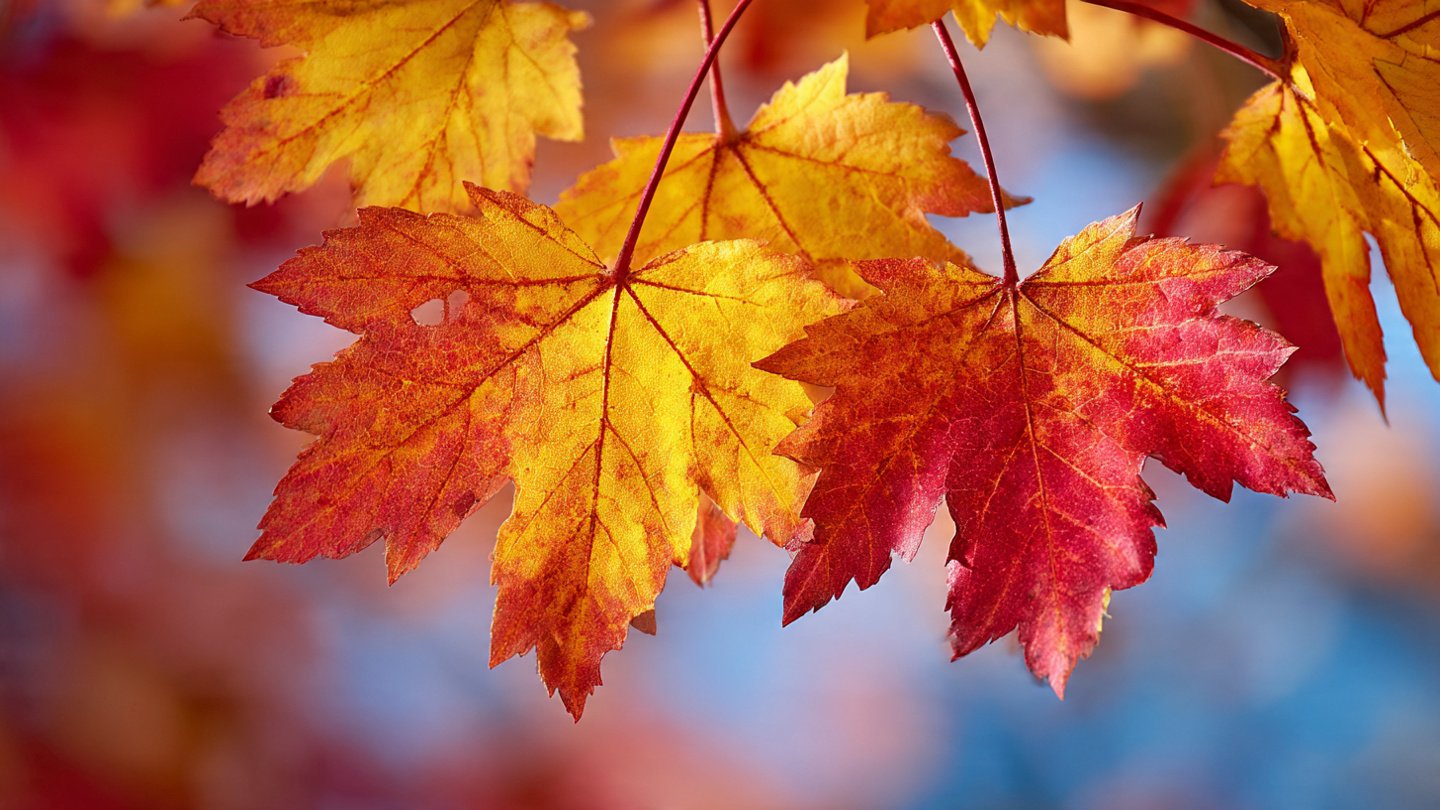
Autumn is a season of transformation. Crisp air, shorter days, and the earthy aroma of fallen leaves signal a shift in nature’s rhythm. But perhaps the most mesmerizing change is the way trees dress their leaves in fiery reds, brilliant oranges, and golden yellows. This annual spectacle is not just a treat for the eyes—it’s a fascinating biological process that reflects the intricate chemistry and environmental cues within plants.
Understanding how leaves transform their colors in autumn provides insight into plant biology, ecology, and even the impact of climate on our forests.
The Science Behind Green Leaves
During spring and summer, leaves are green because of chlorophyll, the pigment responsible for photosynthesis. Chlorophyll captures sunlight, allowing plants to convert carbon dioxide and water into sugar, which fuels growth. This is why leaves appear green—they are saturated with chlorophyll.
Chlorophyll is abundant and dominates the leaf’s visual appearance, masking other pigments that are also present. These other pigments—carotenoids and anthocyanins—remain hidden under the green canopy for most of the growing season.
The Role of Carotenoids
Carotenoids are pigments that produce yellow and orange colors in leaves. They are present throughout the year but are usually masked by green chlorophyll. Carotenoids are also vital to the plant’s health—they help with photosynthesis by absorbing light energy and protecting leaves from damage caused by sunlight.
In autumn, as chlorophyll production slows and existing chlorophyll breaks down, carotenoids become visible. This is why maple leaves turn golden yellow, birch leaves glow amber, and ginkgo leaves radiate gold.
The Magic of Anthocyanins
While carotenoids are always present, anthocyanins are produced in autumn in response to specific conditions. These pigments give leaves red, purple, or crimson hues. Unlike carotenoids, anthocyanins are not present all year—they are synthesized in the leaf’s cells as chlorophyll breaks down.
Factors that influence anthocyanin production include:
- Sunlight: Bright, sunny days increase red pigment formation.
- Temperature: Cool nights combined with warm days enhance color intensity.
- Leaf sugars: Sugars trapped in the leaves contribute to anthocyanin development.
The interplay of these factors is why autumn foliage can vary dramatically from year to year and even within the same forest.
Why Leaves Change Color at All
Leaves change color as part of a preparation for winter dormancy. Trees in temperate climates enter a survival mode as days shorten and temperatures drop. Chlorophyll breaks down, and the tree reabsorbs valuable nutrients from the leaves before they fall.
By shedding leaves, trees conserve water and energy during winter, when water may be frozen and sunlight is limited. The vibrant display of colors is essentially a side effect of these biochemical changes—a final flourish before the leaves fall.
Environmental Factors That Influence Autumn Colors
The intensity and timing of fall foliage are influenced by several environmental factors:
- Day length: Shorter days signal trees to stop producing chlorophyll.
- Temperature: Warm days and cool nights enhance red and purple pigments, while early frosts can dull colors.
- Moisture: Adequate rainfall during the growing season promotes brighter colors; drought stress can cause leaves to brown and drop early.
- Tree species: Different species produce distinct pigments, creating a variety of colors in mixed forests.
This combination of factors is why some years are spectacularly colorful, while others are muted.
The Role of Specific Tree Species
Certain trees are famous for their autumn colors because of their pigment composition:
- Maple trees: Known for fiery reds and oranges, thanks to high anthocyanin production.
- Oak trees: Typically produce brown, russet, and deep red shades.
- Aspen and birch trees: Bright yellow due to abundant carotenoids.
- Sumac: Rich red leaves from anthocyanins, especially in sunny locations.
The diversity of species creates the patchwork of colors that make autumn forests so breathtaking.
The Chemistry of Color Change
At the cellular level, the process begins as chlorophyll breaks down in the chloroplasts. Nitrogen, magnesium, and other nutrients are reabsorbed into the tree for winter storage. As green pigments disappear:
- Carotenoids are revealed, producing yellows and oranges.
- Anthocyanins are synthesized in some leaves, producing reds and purples.
Anthocyanins may also serve a protective function, shielding leaf tissues from excess light or oxidative stress as the tree recycles nutrients. This is an example of how function and beauty intersect in nature.
Leaves Falling: The Grand Finale
After the pigments display their colors, trees prepare for leaf drop. A special layer called the abscission layer forms at the base of the leaf stem, gradually separating the leaf from the branch. Gravity, wind, and rain then bring the leaves to the forest floor.
Fallen leaves are not waste—they decompose and enrich the soil, providing nutrients for the next year’s growth. In this way, the cycle of color, fall, and renewal continues.
How Climate Change May Affect Autumn Colors
Scientists have observed that climate change can alter the timing and intensity of autumn foliage:
- Warmer temperatures can delay color change.
- Extreme weather, such as early frost or drought, can reduce pigment production.
- Shifts in species distribution may change the palette of regional forests.
Understanding these effects emphasizes the importance of conserving diverse tree species and protecting ecosystems to preserve the autumn spectacle for future generations.
Experiencing Autumn Colors at Home and in Nature
You don’t need to travel far to enjoy autumn’s color transformation. Planting trees that produce carotenoids and anthocyanins in home gardens can bring seasonal beauty to your backyard. Popular choices include:
- Sugar maples and red maples
- Dogwoods
- Sweetgum
- Ginkgo trees
Even small ornamental trees or shrubs with bright fall foliage can make your home landscape vibrant and memorable.
Conclusion
The changing colors of leaves in autumn are more than a beautiful spectacle—they are a window into the complex chemistry and survival strategies of trees. From the breakdown of chlorophyll to the emergence of carotenoids and anthocyanins, every leaf tells a story of adaptation, nutrient recycling, and environmental interplay.
By observing these changes, we gain insight into the interconnectedness of plants, seasons, and climate. Autumn reminds us that even in preparation for dormancy, life can create a display of extraordinary beauty. So next time you walk through a forest or garden, pause and appreciate the science and artistry behind every crimson, gold, and orange leaf.