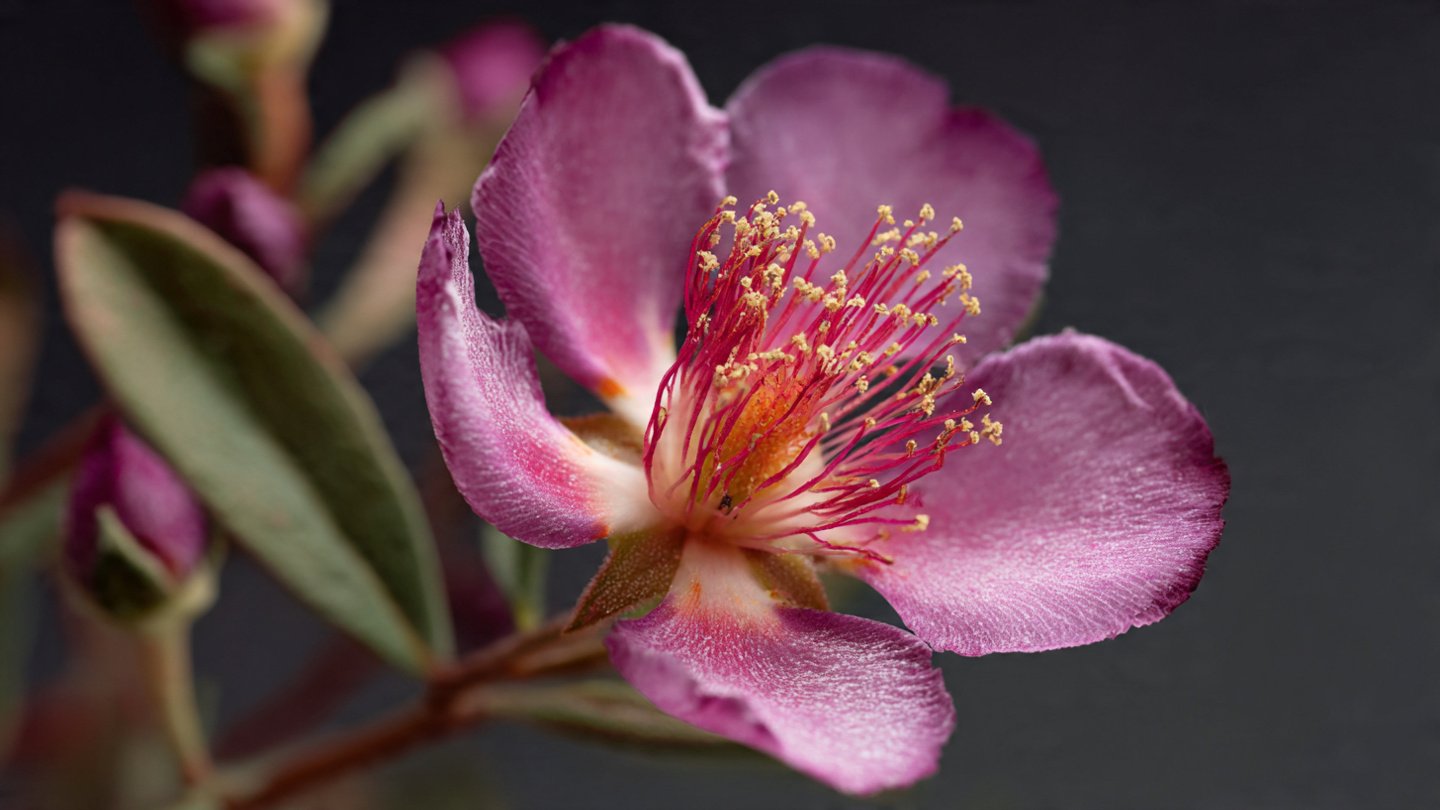
Imagine a flower that grows, blooms, and survives without soil, rain, or sunlight—seemingly independent of nature itself. This is no longer the stuff of science fiction. Recent advances in biotechnology and plant sciences have allowed researchers to create flowers in laboratories that thrive without natural conditions, using controlled environments, synthetic nutrients, and genetic innovations. Such achievements are not only fascinating but also have far-reaching implications for agriculture, urban gardening, and even space exploration.
This article explores how lab-created flowers can survive without traditional natural support, the techniques involved, and the potential applications of this scientific breakthrough.
The Concept of Lab-Created Flowers
A lab-created flower is essentially a plant grown in controlled conditions, often starting from cells or tissue cultures rather than seeds planted in soil. Scientists can manipulate growth factors, nutrients, and light in precise ways to ensure the plant develops normally even without exposure to natural weather, sunlight, or soil microbes.
- Tissue culture: The most common method involves taking a small part of a plant—like a leaf, stem, or meristem—and placing it in a nutrient-rich gel or liquid medium.
- Sterile environment: Lab conditions prevent contamination by bacteria, fungi, or other organisms that might harm the plant.
- Controlled growth factors: Temperature, humidity, light, and nutrients are all optimized for rapid, healthy growth.
This technique allows flowers to grow faster, healthier, and sometimes more vibrantly than they might in a garden.
Key Techniques That Make Lab Flowers Thrive
Several scientific approaches enable flowers to grow without traditional natural conditions:
1. Plant Tissue Culture
Plant tissue culture is the foundation of lab-grown flowers. It allows a single plant cell to develop into an entire plant.
- Process: Scientists sterilize a small plant part and place it in a growth medium containing sugars, hormones, and vitamins.
- Hormone regulation: Auxins and cytokinins control root and shoot growth. Adjusting their ratios influences whether the tissue develops roots, shoots, or flowers.
- Rapid propagation: From one tissue sample, dozens or even hundreds of genetically identical flowers can be produced.
This method is widely used for orchids, roses, and other ornamental flowers that are otherwise difficult to propagate.
2. Hydroponics and Aeroponics
Once the tissue has developed into a small plant, lab environments often use hydroponic or aeroponic systems instead of soil:
- Hydroponics: Plants grow in a nutrient-rich water solution, with all essential minerals dissolved directly.
- Aeroponics: Roots hang in the air and are misted with nutrient solution, maximizing oxygen availability.
- Advantages: Faster growth, precise control over nutrient intake, and elimination of soil-borne diseases.
By controlling nutrient delivery, lab-grown flowers can flourish without traditional soil or natural fertilizers.
3. Artificial Lighting
Sunlight is replaced with LED or fluorescent lights designed to mimic natural light spectra:
- Customized spectrum: Different wavelengths stimulate photosynthesis, flowering, and leaf growth.
- Consistent photoperiod: Plants can receive exactly 12–16 hours of light daily, optimizing growth cycles.
- Energy efficiency: LEDs provide specific light spectra with minimal heat, reducing energy waste and preventing plant stress.
Artificial lighting allows lab flowers to grow anywhere, including windowless labs, basements, or even spacecraft.
4. Genetic Optimization
Some lab-created flowers are genetically engineered to thrive in unusual conditions:
- Stress tolerance genes: Enable survival without traditional sunlight or soil microbes.
- Nutrient absorption enhancement: Modified roots efficiently uptake minerals from artificial solutions.
- Flowering acceleration: Certain genes can trigger early or continuous flowering in controlled conditions.
Genetic optimization complements tissue culture and hydroponic techniques, ensuring robust growth.
Why Lab-Created Flowers Can Survive Without Nature
The combination of sterile environment, controlled nutrients, artificial lighting, and sometimes genetic enhancements allows flowers to grow without natural assistance:
- Nutrients are supplied directly: Instead of relying on soil microbes, the plant receives all required minerals in solution.
- Water stress is eliminated: Hydroponic or aeroponic systems maintain consistent hydration.
- Pests and diseases are controlled: No insects, fungi, or bacteria compromise growth.
- Environmental stress is minimized: Temperature, light, and humidity are optimized.
In short, the plant experiences a perfectly managed micro-environment, which is often more favorable than what it would encounter in the wild.
Applications of Lab-Created Flowers
Lab-grown flowers are more than a scientific curiosity—they have practical and exciting applications:
1. Urban Gardening and Interior Design
- Compact lab-grown plants can thrive indoors, offering greenery for offices, apartments, and urban spaces without soil or sunlight.
- Customizable colors and growth patterns make them a designer-friendly option.
2. Conservation of Rare Species
- Tissue culture enables propagation of endangered or slow-growing flowers that may struggle in their natural habitats.
- Lab-grown specimens can be reintroduced to the wild to boost genetic diversity.
3. Agriculture in Extreme Environments
- Hydroponic flowers and crops can grow in deserts, rooftops, or regions with poor soil.
- Potential for vertical farming and space-efficient urban agriculture.
4. Space Exploration
- NASA and other space agencies are exploring lab-grown plants to provide food, oxygen, and aesthetic value aboard spacecraft and space stations.
- Flowers that grow without soil or sunlight are ideal for extraterrestrial environments.
Challenges and Considerations
While lab-created flowers are impressive, there are challenges to consider:
- Cost: Controlled environments, lighting, and hydroponic systems can be expensive.
- Energy use: Artificial lighting and climate control require electricity, which may not be sustainable for large-scale production.
- Genetic uniformity: Cloning via tissue culture can reduce genetic diversity, potentially making plants more vulnerable to disease.
- Skill required: Maintaining optimal growth conditions requires knowledge of plant biology and laboratory techniques.
Despite these challenges, ongoing research is improving efficiency, sustainability, and accessibility.
The Future of Lab-Created Flowers
The ability of lab-created flowers to thrive without nature represents a paradigm shift in horticulture:
- Personalized plants: Flowers can be customized for size, color, and flowering cycle.
- Climate resilience: Lab-grown flowers could survive extreme weather or degraded soils in the future.
- Educational tools: Students can study plant biology and growth cycles without relying on natural conditions.
- Integration with smart homes: Automated hydroponic systems could allow anyone to grow vibrant flowers indoors year-round.
The intersection of technology, genetics, and plant care is expanding the possibilities of gardening beyond traditional methods.
Final Thoughts
The thriving of lab-created flowers without natural help highlights the power of science and innovation in plant cultivation. By combining tissue culture, hydroponics, artificial lighting, and genetic enhancements, researchers can create living, blooming plants in environments that would normally be inhospitable. These techniques not only offer solutions for urban gardening, rare species conservation, and space exploration but also challenge our understanding of what plants truly need to survive.
Lab-created flowers are more than just a botanical marvel—they are a testament to human ingenuity, demonstrating that with the right knowledge, care, and technology, nature itself can be simulated, controlled, and even improved upon. The future of gardening is bright, sustainable, and increasingly independent of traditional environmental constraints.