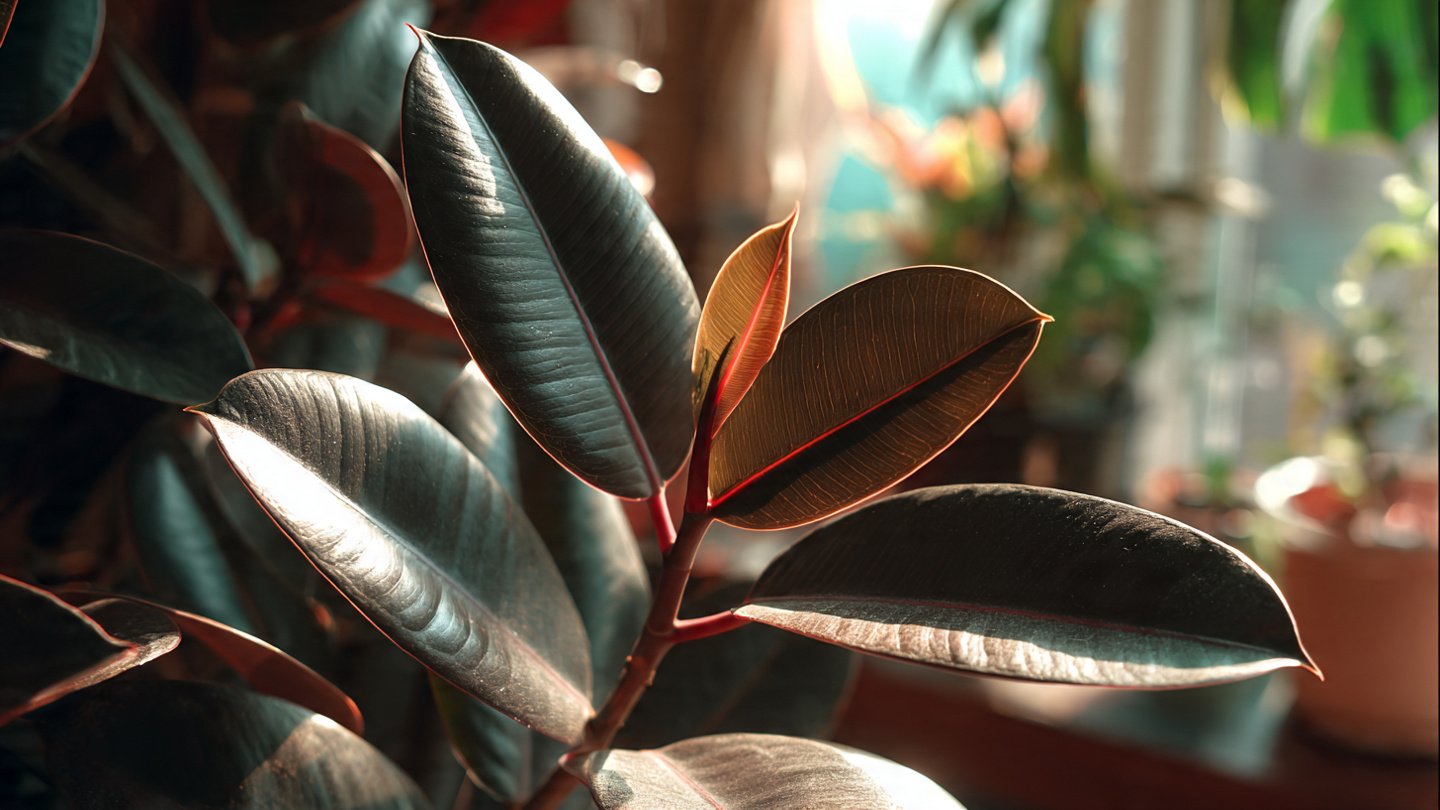
Houseplants have evolved from simple greenery to essential elements of interior design, and few plants make as bold a statement as the rubber tree (Ficus elastica). With its glossy, deep green leaves, tall stature, and sculptural presence, a well-cared-for rubber tree can become the centerpiece of any room. Beyond its aesthetic appeal, it also improves indoor air quality, making it both beautiful and functional.
In this guide, we explore how to transform your rubber tree into the ultimate statement piece, from ideal placement and styling to care techniques that promote lush growth and dramatic impact.
Understanding the Rubber Tree
The rubber tree is a tropical plant native to Southeast Asia, known for its thick, waxy leaves and impressive vertical growth. While it can reach up to 50 feet in its natural habitat, indoor rubber trees typically grow between 6–10 feet, depending on pot size and care. Its adaptability, ease of maintenance, and striking foliage make it a favorite among interior designers.
Key traits that make the rubber tree a statement piece include:
- Glossy, Vibrant Leaves: Dark green or variegated leaves catch the eye and add depth to interior spaces.
- Strong Vertical Growth: Its upright form creates a natural architectural element.
- Durable Nature: Tolerant of varying indoor conditions, making it low-maintenance.
- Air Purification: Like other ficus plants, it removes toxins from indoor air, enhancing wellness.
Choosing the Right Variety
Rubber trees come in several varieties, each offering unique aesthetic appeal:
- Ficus elastica ‘Burgundy’: Deep red undersides add dramatic contrast.
- Ficus elastica ‘Tineke’: Variegated leaves with creamy white and green patterns bring visual interest.
- Standard Ficus elastica: Glossy, solid green leaves for a classic, elegant look.
Selecting a variety that complements your interior color palette and design style sets the stage for a striking statement piece.
Selecting the Perfect Location
Placement is critical in showcasing a rubber tree:
- Natural Light: Rubber trees thrive in bright, indirect sunlight. Near east- or south-facing windows is ideal, but avoid harsh direct afternoon sun that can scorch leaves.
- Focal Points: Position the plant in areas where it naturally draws attention, such as corners, near furniture arrangements, or next to architectural features.
- Height and Space: Ensure there is enough vertical space for the plant to grow; tall ceilings enhance its sculptural effect.
A thoughtfully chosen location makes your rubber tree an instant eye-catching feature.
Pot Selection and Styling
The container you choose plays a crucial role in elevating the plant’s presence:
- Statement Pots: Large, decorative pots in ceramic, terracotta, or metallic finishes enhance visual appeal.
- Color Coordination: Match or contrast the pot with room décor to make the plant pop.
- Elevation: Consider plant stands, pedestals, or layered displays to give your rubber tree prominence and avoid it blending into furniture.
A well-chosen pot can transform a healthy rubber tree into a sophisticated design element.
Care Tips for Lush, Healthy Growth
A statement piece requires more than just strategic placement—it needs to look its best. Proper care ensures vibrant leaves, strong stems, and a dramatic overall presence:
- Watering: Rubber trees prefer evenly moist soil. Water when the top 2 inches of soil feel dry, avoiding overwatering to prevent root rot.
- Humidity: Moderate humidity levels keep leaves glossy. Occasional misting or a nearby humidifier helps, especially in dry climates.
- Temperature: Ideal indoor temperatures range from 60–85°F. Avoid drafts from doors or air conditioning vents.
- Pruning: Trim lower leaves or stems to maintain shape, encourage bushiness, or direct growth upward.
- Fertilization: Feed with a balanced liquid fertilizer every 4–6 weeks during the growing season for robust foliage.
- Cleaning Leaves: Wipe leaves with a damp cloth or mild soapy water to remove dust, enhancing shine and light absorption.
Healthy foliage and strong vertical growth contribute directly to the tree’s statement-making potential.
Styling Your Rubber Tree
Interior designers often use rubber trees as a centerpiece for modern, minimalist, and even eclectic spaces. Consider these styling tips:
- Standalone Feature: Let the tree occupy a corner or next to a sofa, with no competing decor nearby.
- Groupings: Pair with smaller plants in complementary pots for a layered greenery effect.
- Decor Integration: Surround with subtle accents like rugs, lamps, or furniture that enhances rather than overshadows the plant.
- Lighting Enhancements: Use spotlights or ambient floor lamps to highlight the glossy leaves, particularly in evening settings.
Styling your rubber tree as an intentional design element transforms it from a houseplant to a true statement piece.
Training and Shaping
Rubber trees can be trained for unique architectural effects:
- Single Trunk Focus: Remove side shoots to emphasize a tall, sculptural trunk.
- Bushy Appearance: Allow lateral branches to grow for a fuller, rounded shape.
- Topiary Forms: Light pruning can create a formal, geometric shape, adding sophistication.
Experimenting with different shapes allows the plant to complement your interior style while maintaining visual impact.
Enhancing Focal Points with Color
Consider how your rubber tree interacts with room colors:
- Contrasting Backgrounds: Dark green leaves pop against white or light-colored walls.
- Complementary Accents: Burgundy or variegated varieties look stunning near warm tones like terracotta or ochre.
- Neutral Bases: Elegant, neutral pots allow the tree’s natural beauty to take center stage without distraction.
Color harmony enhances the plant’s dramatic effect and makes it an integrated design element rather than an afterthought.
Psychological Benefits of Statement Plants
Having a bold, healthy rubber tree in your living space offers more than visual appeal:
- Stress Reduction: Studies show greenery can reduce stress and increase relaxation.
- Air Purification: The rubber tree helps remove toxins such as formaldehyde and benzene from indoor air.
- Well-Being: Fostering a plant encourages mindfulness and provides a sense of accomplishment.
A statement plant contributes to both aesthetics and overall wellness.
Seasonal Care and Longevity
Maintaining your rubber tree over time ensures it remains a focal point:
- Winter Care: Reduce watering in dormant periods and keep away from cold drafts.
- Seasonal Fertilization: Resume feeding in spring and summer for renewed growth.
- Repotting: Every 2–3 years, repot into a larger container to accommodate root growth and maintain vigor.
Regular seasonal care preserves the plant’s size, shape, and beauty, sustaining its statement-worthy appeal.
Final Thoughts
Turning your rubber tree into a statement piece requires a combination of strategic placement, thoughtful styling, and attentive care. From choosing the right variety to selecting the perfect pot, maintaining healthy foliage, and integrating it into your interior design, a rubber tree can serve as a bold, sculptural, and functional focal point.
Its lush, glossy leaves, elegant structure, and air-purifying properties make it more than a plant—it becomes a centerpiece that enhances both style and well-being in your home. With proper care and creative design, your rubber tree can transform any space, making it the ultimate statement piece for modern living.