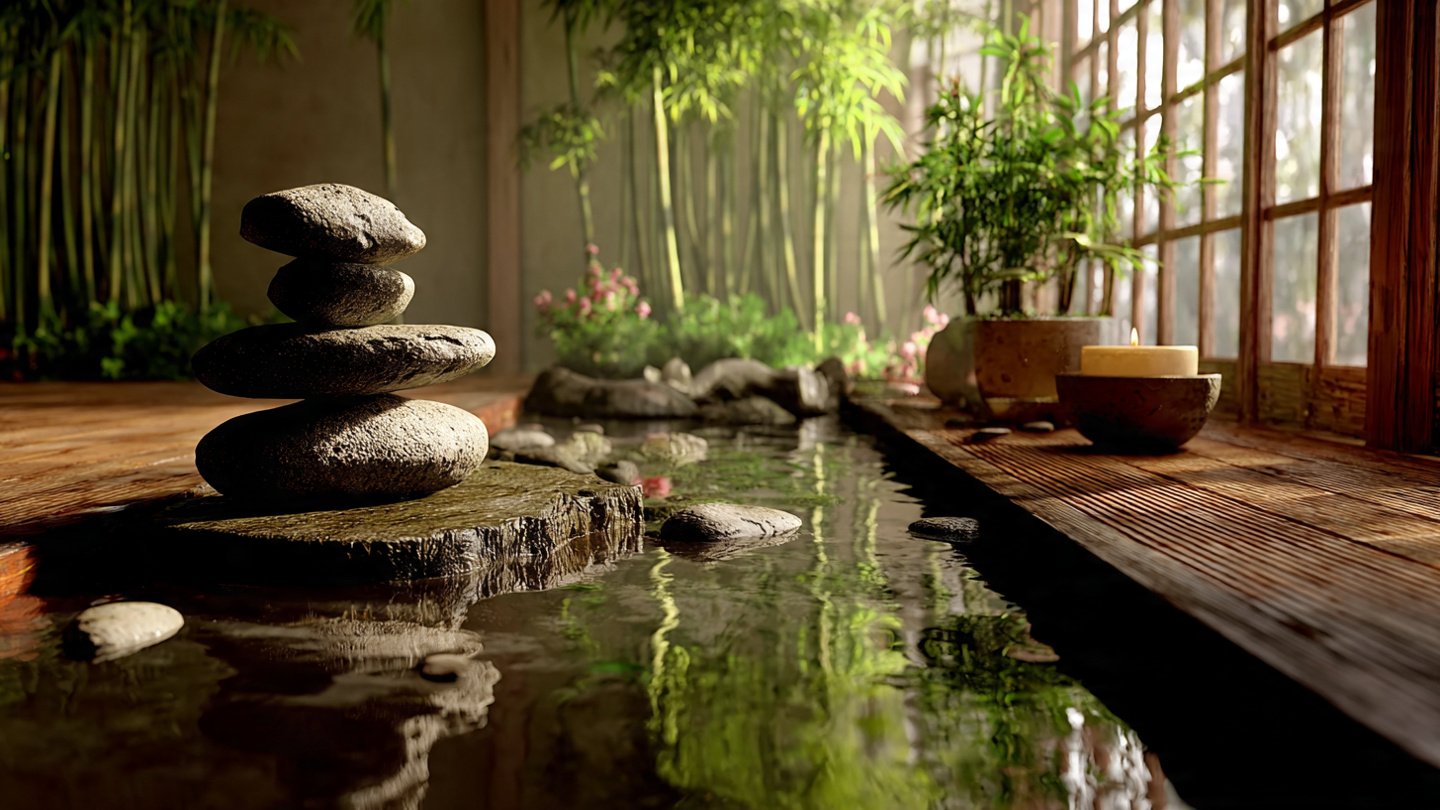
In today’s fast-paced world, finding a calm sanctuary within your own home has become increasingly valuable. A Zen corner—a small space dedicated to tranquility, reflection, and mindfulness—offers a way to step away from daily stress without leaving your home. While there are many approaches to designing such a space, two natural elements stand out for their simplicity and effectiveness: bamboo and stones. Together, they can transform a corner into a serene retreat that appeals to both the senses and the spirit.
Why Bamboo and Stones Work Together
Bamboo and stones are more than decorative elements—they carry symbolic meaning in traditional Zen and Japanese garden design. Bamboo represents strength, resilience, and flexibility. Its vertical lines and gentle rustling create a sense of movement and life, yet maintain calm energy. Stones, on the other hand, symbolize stability, permanence, and grounding. Their natural textures and weight provide contrast to the delicate, swaying bamboo, creating a balanced environment that feels rooted and harmonious.
When combined, these elements encourage mindfulness. The visual simplicity reduces mental clutter, while the tactile qualities—smooth stones, textured bamboo—invite sensory awareness. This balance between movement and stillness, softness and solidity, lies at the heart of Zen design.
Choosing the Right Bamboo
Selecting the right bamboo is key to creating a successful Zen corner. For indoor spaces, smaller varieties such as lucky bamboo (Dracaena sanderiana) or dwarf bamboo species are ideal. These plants thrive in pots and are manageable in size, yet still convey verticality and grace.
Consider the placement of bamboo carefully. Tall plants work best behind other elements or against walls to create a backdrop, while smaller clusters can define boundaries within the corner itself. Bamboo thrives in bright, indirect light and requires moderate watering. Its leaves and stems should remain lush and vibrant to maintain a sense of vitality in your Zen corner.
Integrating Stones for Grounding
Stones provide visual weight and structure to your Zen corner. Their placement should feel natural, yet deliberate—avoiding clutter while emphasizing harmony. Large flat stones can act as focal points or base surfaces, while smaller pebbles can be used as ground cover or to define pathways within the corner.
Different stones offer different textures and colors. Smooth river rocks create a polished, calming look, while rougher granite or slate introduces visual interest and grounding energy. Arranging stones asymmetrically but intentionally encourages a natural, meditative aesthetic.
Layering Elements for Depth
A successful Zen corner often relies on layering multiple elements to create depth and perspective. Start with a neutral base—such as a tatami mat, wooden floor, or natural fiber rug. Place stones strategically, then add bamboo plants or stems to create vertical structure. You can also introduce other natural accents, such as small driftwood pieces, bonsai trees, or miniature water features, to enhance sensory engagement.
Avoid overcrowding. In Zen design, less is more. Each element should have space to breathe, allowing your mind to focus on its presence rather than being distracted by too many items.
Creating Sound and Movement
Zen corners are not only about visual tranquility—they engage other senses as well. Bamboo can create gentle, soothing sounds when its leaves or stalks brush together, enhancing the peaceful atmosphere. Stones can be used in combination with a small water feature to create soft trickling sounds, reminiscent of a traditional Japanese garden.
Even the smallest movements, such as a gentle breeze or a passing shadow, can enhance mindfulness when your corner is thoughtfully arranged. These subtle details invite you to slow down and appreciate the environment you’ve created.
Lighting for Calm Ambiance
Lighting plays a crucial role in establishing serenity. Natural light is ideal, as it enhances the organic colors of bamboo and stones. If your space lacks sufficient sunlight, soft, warm artificial lighting can create a similar effect. Paper lanterns, LED candles, or hidden floor lighting can produce a calm glow without harsh shadows, reinforcing the meditative mood.
Shadows cast by bamboo leaves or stones can add visual interest and rhythm, creating a dynamic yet serene environment that changes subtly throughout the day.
Incorporating Mindful Practices
A Zen corner is not just decorative—it’s functional for mindfulness practices. Place a small cushion, mat, or low bench in your corner to encourage sitting meditation, yoga, or quiet reading. This makes the space not only visually tranquil but also physically inviting for reflection.
Consider using your Zen corner as a daily reset. Even five minutes of focused breathing or gentle stretching among bamboo and stones can reduce stress, boost mental clarity, and improve emotional balance.
Maintenance and Care
Maintaining your Zen corner ensures it remains a source of calm rather than stress. Bamboo requires regular watering, indirect sunlight, and occasional pruning to remove dead or yellowing leaves. Stones may need occasional cleaning to remove dust or debris. Keep the area free of clutter and check that your seating or mats remain comfortable.
Routine care becomes part of the mindful practice. Maintaining the space teaches attention to detail, patience, and respect for natural elements—all core principles of Zen philosophy.
Personalizing Your Zen Corner
While bamboo and stones are foundational, your Zen corner can reflect your personal preferences. Consider adding elements that engage your other senses: a small incense holder for scent, a bell for gentle sound, or soft textiles for tactile comfort. Plants with subtle fragrances or seasonal flowers can add variety without overwhelming the space.
Personal touches ensure that the Zen corner is meaningful to you, increasing the likelihood that it becomes a consistent part of your daily routine.
The Benefits of a Zen Corner
Creating a Zen corner using bamboo and stones offers numerous benefits:
- Mental clarity: The simplicity and balance of natural elements reduce visual and mental clutter.
- Stress reduction: Engaging with a serene environment lowers stress hormones and promotes relaxation.
- Mindfulness practice: The space encourages meditation, reflection, and conscious breathing.
- Aesthetic appeal: Bamboo and stones add elegance and sophistication to your interior design.
- Connection with nature: Natural materials bring a sense of outdoors inside, fostering a feeling of harmony with the environment.
Even a small corner can provide these benefits, proving that transformative design doesn’t require large spaces or expensive materials.
Conclusion
Transforming a corner of your home into a tranquil Zen retreat doesn’t require elaborate renovations or costly décor. By thoughtfully combining bamboo and stones, you can create a space that embodies balance, serenity, and natural beauty. The verticality of bamboo, the grounding presence of stones, and the gentle interplay of light, sound, and texture work together to create an environment that soothes the mind and nurtures the spirit.
Whether used for meditation, reading, or quiet reflection, a Zen corner is a sanctuary within your home—a reminder that peace can be cultivated anywhere with intention, simplicity, and the natural harmony of bamboo and stones.