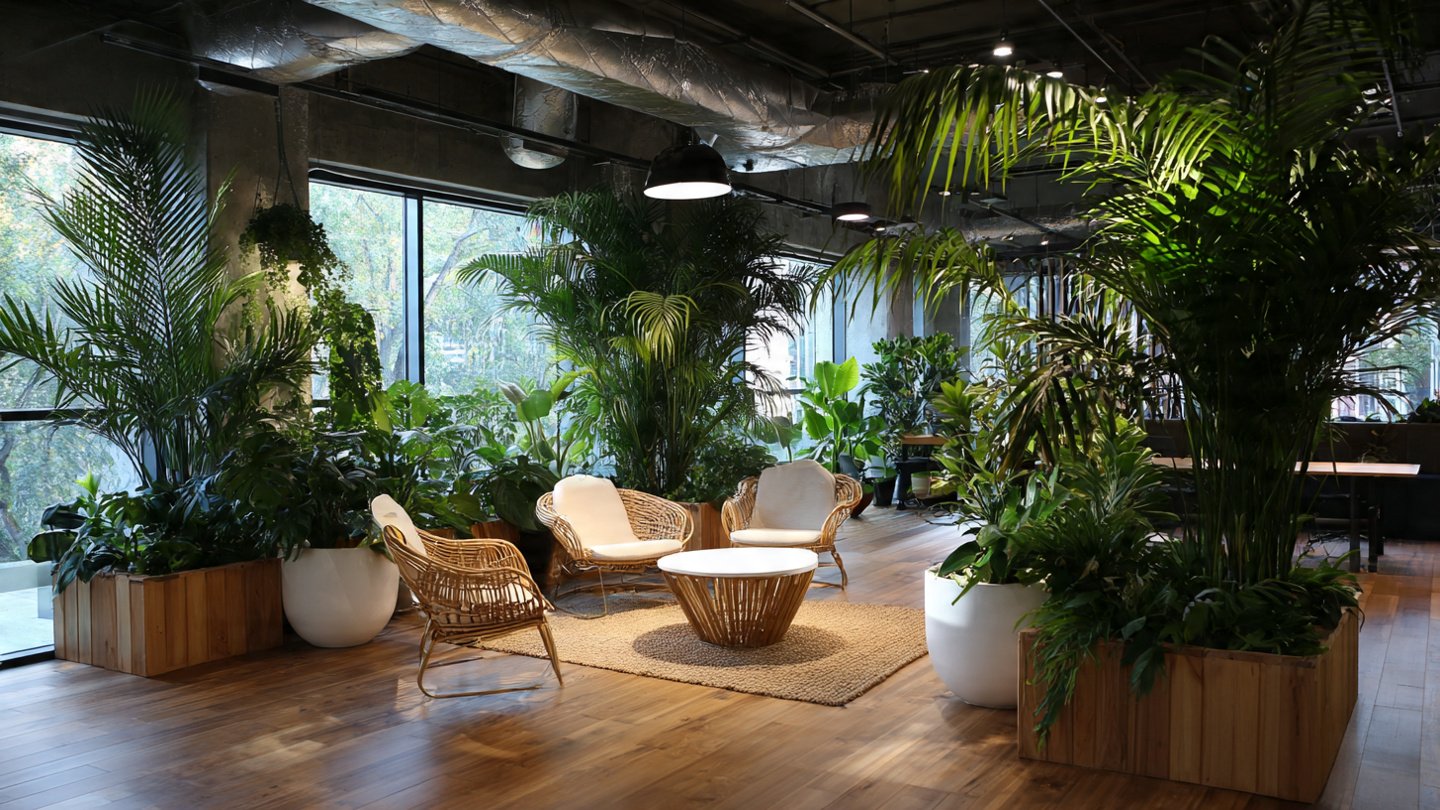
Modern workspaces often feature sleek lines, minimal décor, and large amounts of technology. While visually appealing, these environments can sometimes feel sterile or uninspiring. One of the most effective ways to add life, improve air quality, and boost productivity in such settings is through low-light indoor plants. These versatile plants thrive in indirect or minimal light, making them perfect for offices, cubicles, and home workspaces where sunlight may be limited. In this article, we’ll explore how to choose, arrange, and care for low-light plants to create a healthier, more inviting modern workspace.
Why Low-Light Plants Are Ideal for Modern Workspaces
Many modern offices or urban apartments don’t receive consistent natural sunlight. Low-light plants are specifically adapted to grow in indirect light conditions, allowing you to enjoy greenery without the constant worry of sunlight exposure. Benefits include:
- Improved air quality: Plants filter toxins such as formaldehyde, benzene, and xylene from indoor air.
- Reduced stress and improved mood: Studies show that indoor plants can lower anxiety and promote mental well-being.
- Increased productivity: Greenery in the workspace has been linked to higher focus, creativity, and job satisfaction.
- Low maintenance: Many low-light plants thrive on minimal care, perfect for busy office schedules.
By incorporating these plants, you can transform a cold, modern workspace into a vibrant and welcoming environment.
Choosing the Right Low-Light Plants
Not all plants thrive in low-light conditions. Selecting the right species ensures longevity, growth, and aesthetic appeal. Some popular low-light indoor plants include:
- Snake Plant (Sansevieria): Extremely hardy, requires little water, and tolerates very low light.
- ZZ Plant (Zamioculcas zamiifolia): Glossy leaves, drought-tolerant, and highly resilient.
- Pothos (Epipremnum aureum): Trailing vines that grow in low light and can be trained along shelves or walls.
- Philodendron: Comes in climbing and non-climbing varieties, adding texture and greenery to any desk or corner.
- Peace Lily (Spathiphyllum): Produces occasional white blooms and thrives in shaded office corners.
- Cast Iron Plant (Aspidistra elatior): Named for its toughness, ideal for spaces with minimal natural light.
Choosing plants based on size, maintenance level, and growth pattern ensures they complement your workspace while thriving in low-light conditions.
Placement Strategies for Maximum Impact
Where you place your plants is just as important as the plants themselves. Modern workspaces often have limited space, so smart placement ensures greenery enhances the environment without cluttering it.
- Desk Plants: Small pots of ZZ plants or peace lilies can sit on desks to create a calming effect close to your workspace.
- Corner Planters: Use floor-standing plants like snake plants or cast iron plants to soften corners and reduce harsh lines in the room.
- Vertical Greenery: Hang pothos or philodendron from shelves or wall-mounted planters to add a cascading, dynamic element.
- Window-Less Spaces: Even fluorescent or LED lighting can support low-light plants, making them ideal for interior offices.
Thoughtful placement allows plants to function as natural partitions, improve acoustics, and create a sense of flow within the space.
Benefits of Low-Light Plants in Workspaces
- Air Purification: Many low-light plants are excellent at removing indoor pollutants. For instance, snake plants can filter formaldehyde and benzene, improving air quality over time.
- Reduced Stress Levels: A green environment encourages calmness, making employees and home workers feel less anxious. The presence of plants can lower heart rate and reduce stress-related hormones.
- Enhanced Focus and Creativity: Greenery can boost attention span and stimulate creative thinking. This is particularly valuable in high-pressure modern work environments.
- Noise Reduction: Plants absorb sound, helping to reduce office noise and create a quieter, more productive workspace.
- Aesthetic Appeal: Lush green leaves soften the starkness of minimalistic furniture and industrial design, making the space feel more inviting.
Caring for Low-Light Plants
Despite their hardiness, low-light plants still require some attention to thrive. Proper care ensures long-term health and keeps your workspace looking vibrant:
- Watering: Most low-light plants prefer soil that is allowed to dry slightly between waterings. Overwatering is a common mistake.
- Fertilizing: Use diluted, balanced fertilizer during the growing season to encourage healthy foliage.
- Cleaning: Dust accumulates on leaves, reducing light absorption. Wipe leaves periodically with a damp cloth.
- Rotation: Occasionally rotate plants to ensure even growth and prevent leaning toward light sources.
- Pruning: Remove yellow or dead leaves to maintain plant health and aesthetics.
Even minimal maintenance routines make a noticeable difference in plant vitality.
Combining Plants with Modern Design
Low-light plants can complement modern workspaces in multiple ways:
- Monochrome Pots: Use sleek black, white, or metallic pots to match minimalist décor.
- Geometric Planters: Square or angular pots echo the lines of modern furniture.
- Vertical Planters: Wall-mounted green walls or hanging planters add depth without using floor space.
- Groupings: Cluster plants of varying heights and leaf textures to create visual interest.
Incorporating plants as part of the design ensures your workspace feels intentional, stylish, and alive.
Low-Light Plants for Home Offices
With remote work becoming more common, creating a low-light plant-friendly workspace at home is highly beneficial.
- Small Desks: Pothos or small philodendrons on a shelf above the desk can provide greenery without taking up surface space.
- Windowless Rooms: ZZ plants and snake plants tolerate fluorescent lighting, making them perfect for interior home offices.
- Minimalist Shelving: Vertical plant arrangements on shelving units can double as decorative elements and partitions.
Home offices can enjoy the same benefits as corporate offices by using plants strategically.
Conclusion
Transforming a modern workspace with low-light indoor plants is a simple yet impactful way to enhance both aesthetics and functionality. By selecting the right species, arranging them thoughtfully, and providing basic care, you can create a calming, productive, and visually appealing environment. Low-light plants don’t just survive—they thrive in conditions that other plants might struggle with, making them ideal for offices, home workspaces, or even interior commercial areas. Whether you’re seeking better air quality, reduced stress, or a more inviting workspace, incorporating low-light greenery is a step toward a healthier, happier, and more inspiring modern environment.