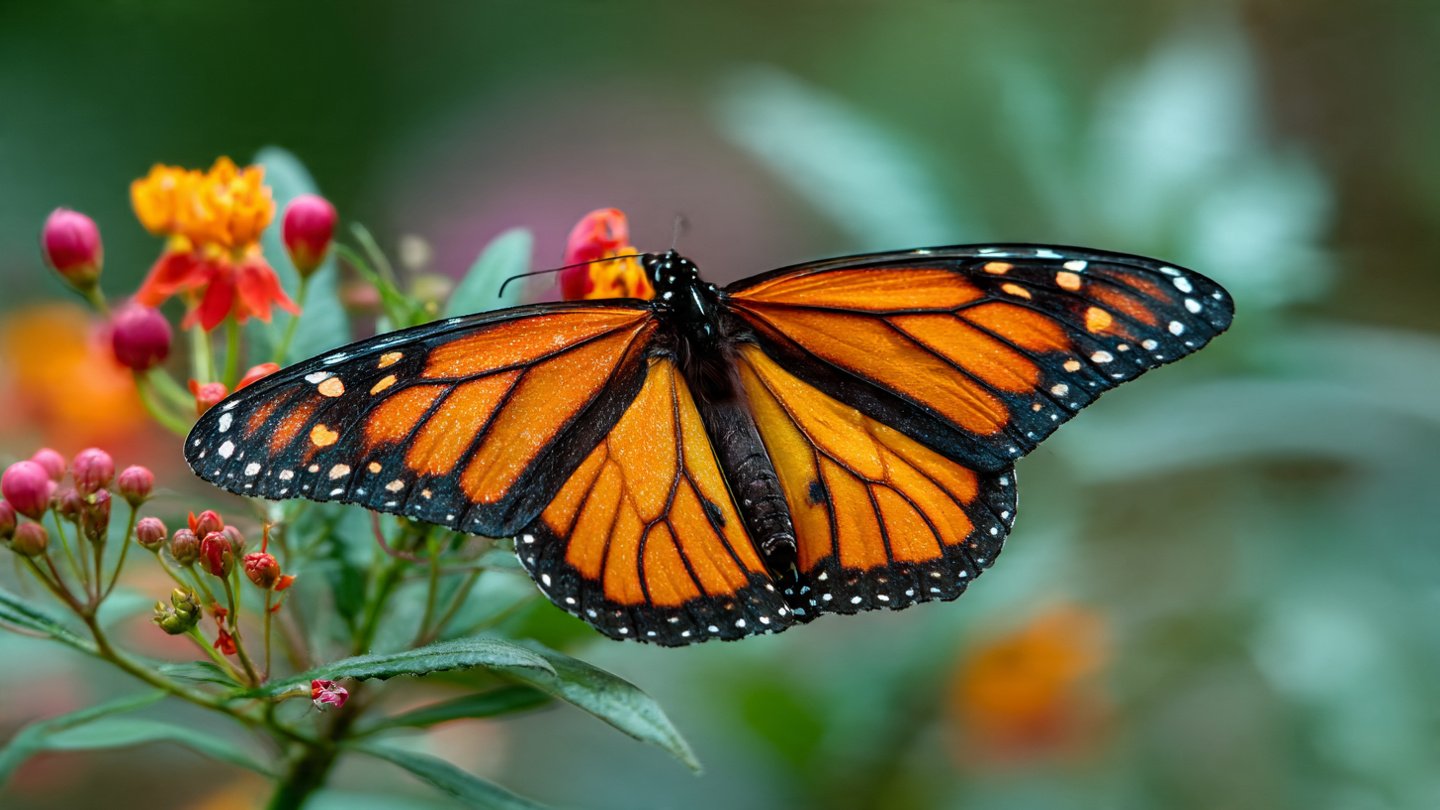
Monarch butterflies, with their vibrant orange and black wings, are more than just beautiful insects—they play a critical role in pollination and maintaining ecological balance. Unfortunately, their populations have been declining due to habitat loss, pesticide use, and climate change. The good news is that you can make a tangible difference by transforming your backyard into a safe haven for these delicate creatures. Creating a monarch butterfly sanctuary isn’t just environmentally beneficial—it’s also an opportunity to enjoy a colorful, lively garden right outside your door. Here’s how to do it.
1. Understand Monarch Needs
Before planting anything, it’s important to understand what monarchs require:
- Milkweed: Monarch caterpillars feed exclusively on milkweed plants. Without milkweed, there can be no monarch reproduction.
- Nectar plants: Adult monarchs feed on nectar from flowers like coneflowers, lantana, and zinnias.
- Sunlight: Monarchs are cold-blooded and require warmth to be active. Your sanctuary should receive ample sunlight.
- Shelter: Trees, shrubs, and tall grasses can provide protection from wind and predators.
Understanding these needs will guide your plant selection and garden layout.
2. Choose the Right Milkweed Species
Milkweed is the cornerstone of any monarch sanctuary. There are many types, but native species are best suited to local climates and will attract the most butterflies. Some options include:
- Common milkweed (Asclepias syriaca) – ideal for northern regions.
- Butterfly weed (Asclepias tuberosa) – drought-tolerant and vibrant orange flowers.
- Swamp milkweed (Asclepias incarnata) – perfect for moist soil areas.
Planting a variety ensures that monarchs have food throughout the breeding season. Avoid tropical milkweed in areas where it doesn’t naturally grow, as it can disrupt migration patterns.
3. Incorporate Nectar-Rich Flowers
Adult monarchs need a continuous source of nectar to survive and migrate. Planting nectar flowers near milkweed makes your sanctuary attractive to all stages of the butterfly’s life cycle. Consider planting:
- Zinnias
- Coneflowers
- Lantana
- Goldenrod
- Asters
Choose flowers with bright colors, particularly red, orange, yellow, and purple, as butterflies are attracted to vivid hues. Also, planting in clusters helps butterflies spot flowers more easily.
4. Provide Water and Shelter
Monarchs need shallow sources of water. You can create a butterfly puddling station by placing a shallow dish with sand, soil, and water. Add small stones for perching. This allows butterflies to extract essential minerals.
Shelter is equally important. Tall grasses, shrubs, and even a small brush pile can provide protection from strong winds and predators. Avoid using insecticides, which can harm butterflies at every stage of development.
5. Create a Safe, Pesticide-Free Zone
Chemicals like herbicides and pesticides can be deadly to monarchs. Make your sanctuary a chemical-free zone. Consider using natural pest control methods:
- Introduce beneficial insects like ladybugs and lacewings.
- Use neem oil or insecticidal soaps sparingly and only if necessary.
- Remove pests manually when feasible.
By keeping your garden chemical-free, you ensure a safe environment for both monarchs and other pollinators.
6. Design Your Sanctuary Thoughtfully
Creating a sanctuary isn’t just about planting the right species—it’s also about layout:
- Sun exposure: Ensure your garden has sunny spots for butterflies to bask.
- Flower layering: Plant flowers at varying heights to provide both nectar and shelter.
- Continuous bloom: Plan for flowers that bloom at different times to provide nectar throughout the season.
- Paths and viewing areas: Incorporate paths or small seating areas to observe butterflies without disturbing them.
A well-designed garden not only helps monarchs thrive but also makes it a relaxing and beautiful space for you.
7. Maintain the Habitat
Once your sanctuary is established, maintenance is key:
- Water plants regularly, especially during dry periods.
- Deadhead flowers to encourage continuous blooming.
- Trim or remove old milkweed stalks in late winter to prevent disease and encourage healthy regrowth.
- Monitor for pests and diseases, addressing issues naturally.
Consistent care ensures your backyard remains a thriving sanctuary year after year.
8. Educate and Share
Your monarch sanctuary can be an educational tool. Consider labeling plants, inviting neighbors to visit, or documenting the butterflies’ life cycle. Sharing your sanctuary encourages community awareness and support for conservation efforts.
Additionally, join local monarch conservation initiatives. Many organizations track butterfly populations and can provide tips for improving habitat and supporting migration.
9. Embrace Seasonal Changes
Monarchs have distinct seasonal patterns. During spring and summer, focus on planting nectar flowers and milkweed. In late summer and fall, monitor for migrating monarchs and provide late-season blooms like goldenrod and asters to fuel their journey south. Overwintering monarchs may need additional protection, such as a sheltered garden corner or frost-resistant plants.
10. Celebrate the Results
There’s a special satisfaction in watching monarchs thrive in your backyard. From caterpillars munching on milkweed leaves to butterflies fluttering from flower to flower, your efforts create a small but meaningful impact on the ecosystem. Over time, you may see more species of pollinators visiting your garden, making it an even more diverse and lively sanctuary.
Conclusion
Transforming your backyard into a monarch butterfly sanctuary is a rewarding endeavor that combines ecological responsibility with personal enjoyment. By planting milkweed, providing nectar-rich flowers, ensuring shelter, avoiding chemicals, and maintaining your garden thoughtfully, you create a haven for these iconic butterflies. Beyond aesthetics, you contribute to conservation efforts and help support a species whose numbers are in decline. Every butterfly that flits through your sanctuary is a testament to the positive impact that individual action can have on our environment.
Your backyard can be more than just a patch of land—it can be a vibrant, living ecosystem that supports one of nature’s most remarkable creatures. With care, planning, and patience, you’ll enjoy the beauty, tranquility, and ecological satisfaction of a true monarch butterfly sanctuary.