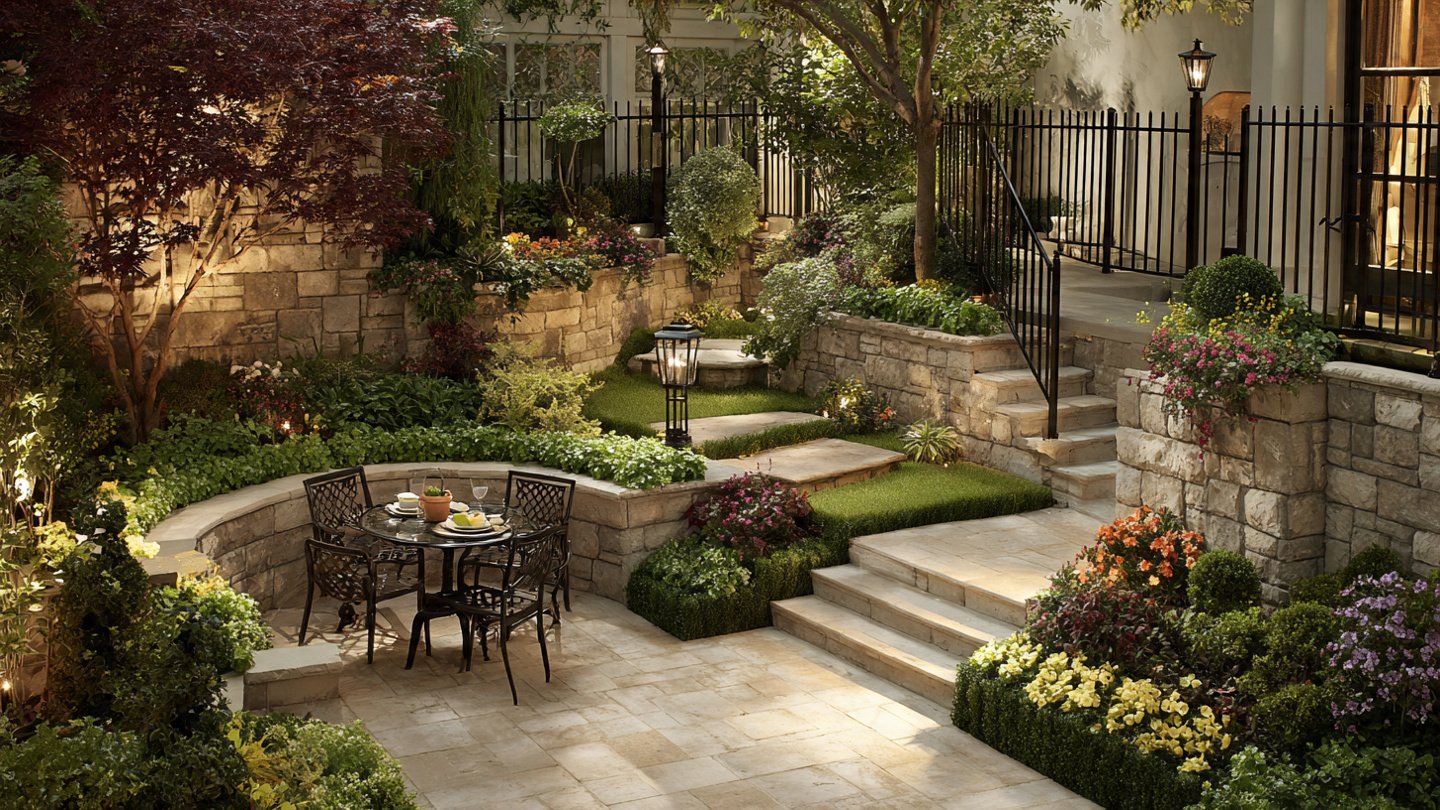
Small patios often feel limiting. With limited floor space, homeowners can struggle to create a garden that feels lush, vibrant, and functional. Yet, with thoughtful design and a little creativity, even the tiniest patio can be transformed into a multi-level garden paradise. By using vertical space, tiered planters, and clever layering, you can cultivate a lush retreat that feels much larger than its footprint. Here’s how to turn a modest outdoor area into a thriving, layered garden that delights the senses.
Assessing Your Space
Before beginning any transformation, take a careful look at your patio. Consider:
- Dimensions: Measure length, width, and height to understand what structures or planters will fit comfortably.
- Sunlight: Observe how light moves across the space during the day to determine which plants will thrive.
- Access Points: Ensure doors, pathways, and seating areas remain functional.
- Existing Features: Identify anything worth keeping, like a railing, wall, or shade structures.
A clear understanding of your patio’s layout and limitations sets the foundation for a multi-level design that is both beautiful and practical.
Using Vertical Space
One of the most effective ways to create layers in a small patio garden is to think vertically. Walls, fences, and railings can support:
- Wall-mounted planters: These come in pockets or small pots, perfect for herbs, succulents, or trailing flowers.
- Trellises: Climbing plants like ivy, jasmine, or clematis add height and greenery without taking up floor space.
- Hanging baskets: Suspend baskets at varying heights to create depth and visual interest.
By using vertical surfaces, you expand your planting area upward, creating the illusion of a larger garden while providing diverse planting zones.
Tiered Planters and Raised Beds
Tiered planters or raised beds are essential for creating a multi-level patio garden. Stackable or stepped planters allow you to grow a variety of plants on different levels, making each one visible and accessible. Some strategies include:
- Wooden steps or platforms: Use treated timber to build simple tiers for pots or soil beds.
- Concrete blocks or bricks: Stack them creatively to form modular tiers for plants.
- Multi-level metal planters: Sleek and modern, these are ideal for small patios with minimalistic aesthetics.
These raised structures allow sunlight to reach every plant, prevent overcrowding, and create a dynamic, layered look.
Combining Plant Heights and Textures
Layering isn’t just about vertical structures—it’s also about choosing plants of varying heights and textures. For example:
- Tall plants: Bamboo, ornamental grasses, or dwarf trees add vertical interest.
- Medium-height plants: Shrubs, flowering perennials, or small vegetable plants fill the middle layer.
- Groundcover or trailing plants: Creeping thyme, ivy, or cascading succulents soften edges and fill lower tiers.
This combination creates a visually appealing gradient, guiding the eye through the garden and making the patio feel larger and more dynamic.
Creating Micro-Zones
Even a small patio can host multiple zones for different purposes:
- Herb or vegetable corner: Use a raised bed or tiered planter for edible plants.
- Flower showcase: Dedicate a sunny area for colorful blooms or seasonal flowers.
- Relaxation space: Integrate a small table and chairs, hammock, or bench, surrounded by greenery for privacy and comfort.
Dividing the patio into functional micro-zones enhances usability and gives the impression of a multi-room garden in a compact space.
Incorporating Decorative Elements
Decorative elements complement the layered plantings and enhance the garden paradise feel:
- Lighting: String lights, solar lanterns, or LED spotlights illuminate plants and create ambiance after dark.
- Mirrors: Strategically placed mirrors reflect greenery and expand the visual space.
- Water features: A small fountain or tabletop water bowl adds sound and tranquility.
- Artistic accents: Sculptures, wind chimes, or colorful pots personalize the space and create focal points.
These touches transform a practical garden into an immersive, sensory-rich experience.
Optimizing for Small-Space Gardening
Small patios require smart plant selection and care:
- Compact varieties: Choose dwarf or slow-growing species that won’t overcrowd the space.
- Multi-purpose plants: Herbs like basil, rosemary, and thyme can be decorative and edible.
- Container versatility: Use pots that can be moved seasonally for optimal light or design changes.
- Succession planting: Rotate seasonal flowers to maintain year-round interest.
Efficient plant choices ensure that your layered garden remains lush without overwhelming the patio.
Embracing Vertical Edibles
A multi-level patio garden doesn’t have to be purely decorative—it can be productive, too. Vertical gardening techniques allow you to grow vegetables and fruits in compact spaces:
- Vertical trellises for peas or beans: Plants climb upward, freeing up lower-level planters.
- Hanging pots for strawberries: Fruit trails down, creating an eye-catching cascade.
- Stacked planter boxes for tomatoes or peppers: Multiple levels maximize yield in a small footprint.
By combining beauty and functionality, your patio garden becomes both a visual retreat and a source of fresh produce.
Maintenance Tips
Maintaining a multi-level patio garden requires organization:
- Watering: Drip irrigation or self-watering containers prevent over- or under-watering on different tiers.
- Pruning: Regular trimming ensures plants don’t overshadow one another.
- Feeding: Fertilize appropriately for container-grown plants, as nutrients leach faster from pots.
- Rotation: Occasionally move sun-sensitive plants to optimize light exposure.
Consistent care keeps every level of your garden thriving and prevents overcrowding.
Creating the Illusion of Space
Small patios benefit from design tricks that make the garden feel larger:
- Layered plant placement: Position taller plants at the back, medium plants in the middle, and low-growing plants in front.
- Curved or staggered layouts: Avoid rigid straight lines to add depth.
- Reflective surfaces: Mirrors, shiny pots, or water features reflect light and greenery.
- Continuity: Repeat colors, textures, or plant types to create cohesion and flow.
These techniques make your compact garden feel expansive, vibrant, and welcoming.
Conclusion
Transforming a small patio into a multi-level garden paradise is entirely possible with creativity, planning, and thoughtful plant selection. By using vertical space, tiered planters, layered plant heights, and decorative elements, even the tiniest patio can become a lush retreat. This approach maximizes space, enhances visual appeal, and provides functional zones for relaxation, cooking, or gardening.
With careful design and maintenance, a small patio can evolve into a thriving, multi-dimensional garden that feels larger than its square footage. Whether growing flowers, herbs, vegetables, or ornamental plants, a layered patio garden offers beauty, tranquility, and endless enjoyment for homeowners and visitors alike.