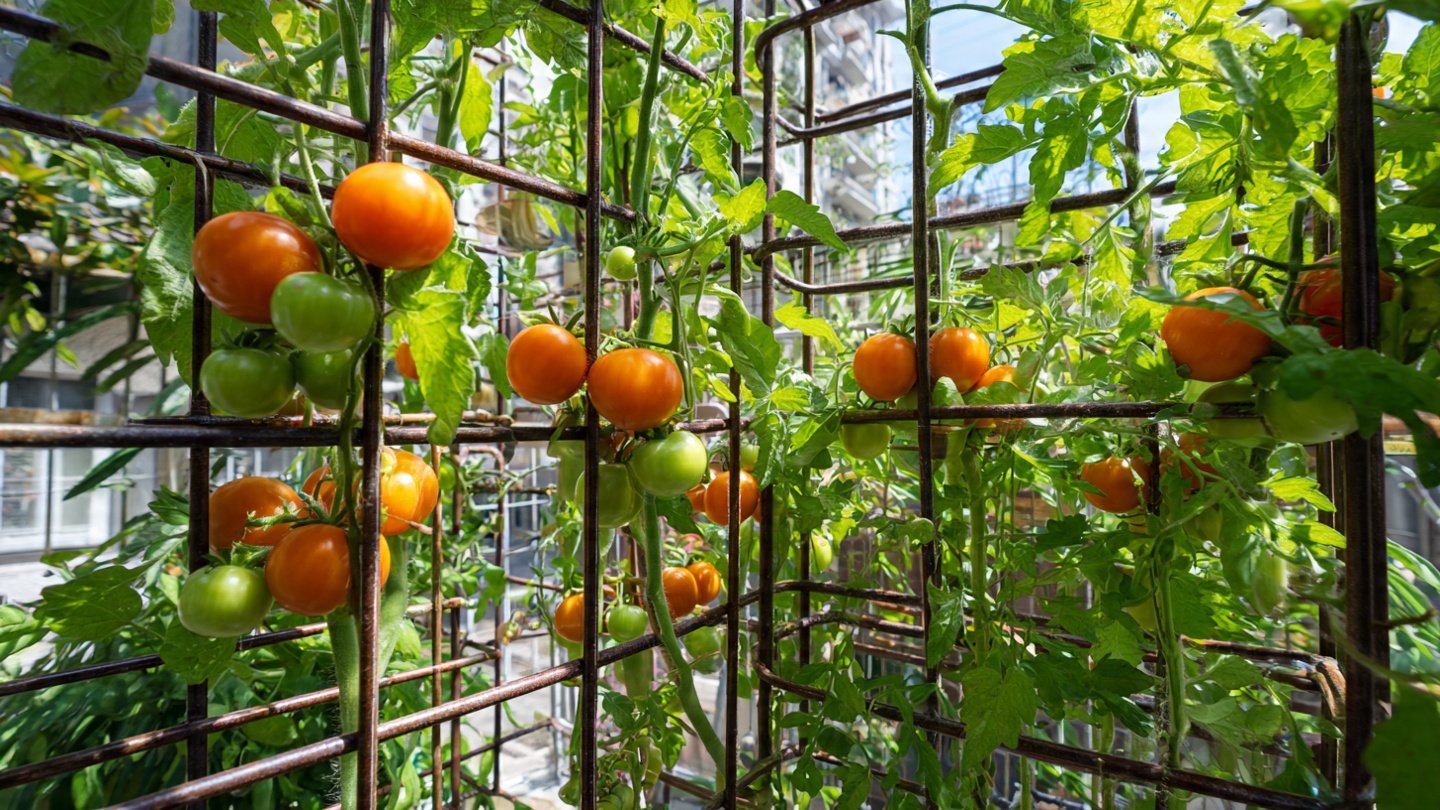
Tomatoes are one of the most rewarding plants to grow, offering delicious, nutrient-packed fruits throughout the growing season. Yet, cultivating tomatoes in limited spaces can be challenging, especially for urban gardeners or those with small backyards. One innovative solution is using a vertical tomato garden, and one of the simplest ways to achieve this is by transforming a tomato cage into a thriving vertical growing system.
A tomato cage is traditionally used to support bushy tomato plants, but with some creativity, it can be converted into a vertical garden that maximizes space, improves airflow, and promotes healthier, more productive plants. This guide will explain how to set up your vertical tomato cage garden, maintain it, and enjoy a bountiful harvest.
Why a Vertical Tomato Garden Works
Vertical gardening has many advantages over traditional horizontal planting:
- Space Efficiency: By growing upward instead of outward, you can grow more plants in smaller areas like patios, balconies, or small yards.
- Improved Airflow: Vertical arrangements reduce the risk of fungal infections and promote healthy leaf and stem growth.
- Ease of Harvesting: Tomatoes hanging at eye level or within arm’s reach are easier to prune and harvest.
- Reduced Pest Problems: Elevating plants off the ground can minimize soil-borne pests and diseases.
- Aesthetic Appeal: A vertical tomato garden can double as a living green wall or decorative focal point in your outdoor space.
By transforming a standard tomato cage into a vertical system, gardeners can enjoy these benefits without investing in expensive trellis structures.
Choosing the Right Tomato Cage
Not all tomato cages are suitable for vertical gardening. To ensure success:
- Material: Choose a sturdy cage made of metal or heavy-duty plastic. It should be strong enough to support the weight of the plant and growing tomatoes.
- Size: Taller cages (at least 4–6 feet) work best for vertical growth, allowing ample space for vines to climb.
- Shape: Cylindrical or conical cages encourage natural upward growth and make it easier to weave plants through the supports.
Investing in the right cage from the start makes maintenance easier and prevents collapse under the plant’s weight.
Selecting Tomato Varieties for Vertical Growth
Not all tomatoes are suited for vertical growth. Choosing the right variety ensures your plants thrive:
- Indeterminate Varieties: These tomatoes continue to grow and produce fruit throughout the season. They naturally climb, making them perfect for vertical gardens. Examples include ‘Sungold,’ ‘Big Boy,’ and ‘Brandywine.’
- Determinate Varieties: These bushy tomatoes produce a set harvest all at once. They can be used vertically if supported properly, but they require more careful pruning.
Indeterminate varieties are ideal for maximizing the benefits of vertical growth, producing fruit continuously while utilizing space efficiently.
Preparing the Cage for Vertical Gardening
Before planting, prepare your tomato cage for vertical growth:
- Add Support Lines: Use soft garden twine, nylon netting, or plant ties to create additional support for climbing vines.
- Anchor the Cage: Secure the cage into the soil with stakes or heavy pots to prevent tipping as the plant grows taller.
- Plan Vertical Layers: If growing multiple plants, consider weaving vines around the cage in a spiral or staggered pattern to maximize airflow and sun exposure.
Proper preparation ensures that your tomato plants have the structural support needed for a successful vertical harvest.
Planting Tomatoes in a Vertical Cage
- Soil Preparation: Use rich, well-draining soil with organic compost. A slightly acidic to neutral pH (6.0–7.0) works best for tomatoes.
- Planting: Position your tomato plant at the center of the cage. Space additional plants 12–18 inches apart if using a large cage with multiple vines.
- Mulching: Apply mulch around the base to retain moisture, regulate soil temperature, and reduce weeds.
By starting with strong plants and nutrient-rich soil, you give your vertical tomato garden the best chance for success.
Training Your Tomato Plants Vertically
Training tomato plants is essential for maximizing vertical growth and yield:
- Pruning: Remove lower leaves and suckers (side shoots that grow in leaf axils) to direct energy toward fruit production.
- Tying Vines: Gently tie stems to the cage or support lines as they grow. Use soft ties to avoid damaging the plant.
- Spiraling Growth: Encourage vines to spiral around the cage for even light exposure and better airflow.
Consistent training keeps plants upright, prevents overcrowding, and improves fruit quality.
Watering and Fertilizing Vertical Tomato Gardens
Proper care ensures robust growth and a continuous harvest:
- Watering: Vertical gardens may dry out faster than ground-level beds. Water deeply 2–3 times a week, adjusting based on weather and container size.
- Fertilization: Use a balanced fertilizer every 2–3 weeks or organic alternatives like compost tea. High-phosphorus fertilizers support flowering and fruiting.
- Mulch Maintenance: Replace mulch as needed to maintain moisture levels.
Consistent care prevents stress, supports healthy root systems, and promotes abundant fruit production.
Pest and Disease Management
Vertical tomato gardens offer improved airflow, reducing some disease risks, but vigilance is still required:
- Common Pests: Aphids, whiteflies, and tomato hornworms can still attack plants. Inspect leaves regularly and use natural deterrents when needed.
- Diseases: Fungal infections like blight or powdery mildew may occur if leaves stay wet for too long. Vertical spacing reduces this risk but avoid overwatering foliage.
- Preventive Measures: Rotate crops annually, remove dead leaves, and maintain clean cages to reduce pest and disease buildup.
Early detection and management keep your vertical garden productive and healthy.
Harvesting Tomatoes from a Vertical Garden
Vertical tomato gardens simplify harvesting:
- Accessibility: Fruits hang at various levels, making them easy to spot and pick without bending over.
- Staggered Harvest: Indeterminate varieties produce continuously, allowing you to harvest ripe fruits multiple times throughout the season.
- Improved Fruit Quality: With better sunlight exposure and airflow, fruits tend to ripen evenly and develop richer flavor.
Regular harvesting also encourages the plant to produce more flowers and fruits.
Benefits of a Vertical Tomato Cage Garden
Transforming a cage into a vertical tomato garden offers numerous advantages:
- Maximizes Space: Ideal for small yards, patios, or balconies.
- Boosts Yield: Vertical growth improves sun exposure and airflow, leading to healthier plants and more fruit.
- Reduces Pests and Diseases: Elevating plants off the ground minimizes exposure to soil-borne problems.
- Easy Maintenance: Pruning, tying, and harvesting are simpler when plants grow vertically.
- Aesthetic Appeal: A thriving vertical tomato cage adds structure and greenery, creating a focal point in your garden.
Vertical tomato gardening combines practicality with beauty, making it a favorite technique for modern gardeners.
Final Thoughts
Transforming a simple tomato cage into a thriving vertical garden is an effective way to grow tomatoes, even in limited spaces. By selecting the right tomato varieties, preparing sturdy cages, training vines carefully, and maintaining proper care, gardeners can enjoy abundant harvests with less effort. Vertical tomato gardens not only save space but also improve plant health, increase yields, and make harvesting easier and more enjoyable.
Whether you’re a beginner or an experienced gardener, turning a cage into a vertical tomato garden is a rewarding project that combines innovation, efficiency, and the joy of homegrown produce. With patience, attention, and proper care, your vertical tomato garden can become a beautiful, productive centerpiece in your outdoor space.