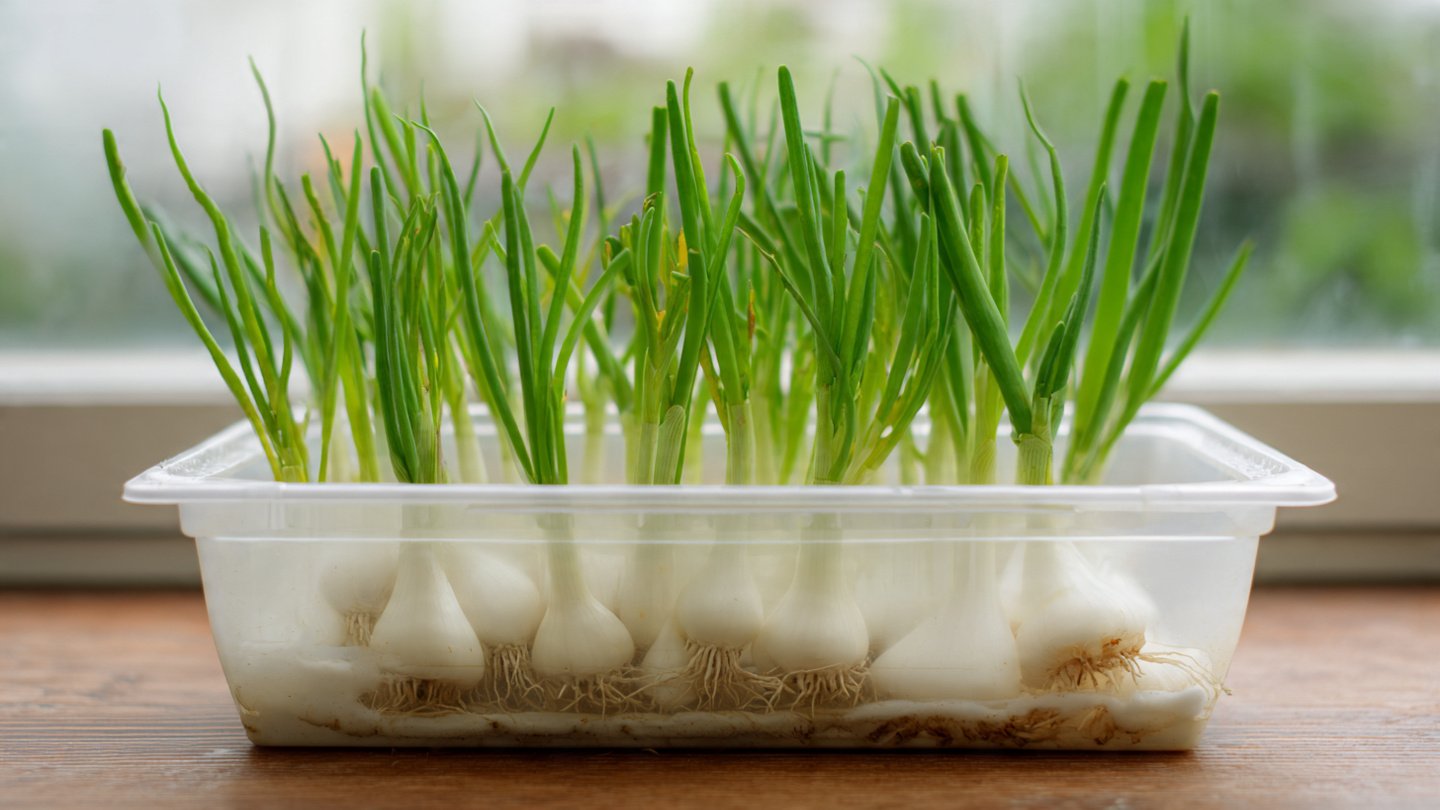
Growing your own spring onions (Allium fistulosum) at home is a rewarding and practical way to have fresh, flavorful greens ready whenever you need them. Spring onions are versatile, nutritious, and easy to grow, making them ideal for beginner gardeners and seasoned enthusiasts alike. One of the simplest methods is cultivating them in a shallow plastic bin, which saves space and allows for easy management in kitchens, balconies, or small gardens.
This comprehensive guide explains how to grow spring onions successfully in a shallow plastic bin, covering everything from seed selection and planting to watering, fertilization, and harvesting.
Why Grow Spring Onions in a Shallow Bin?
Shallow containers are perfect for spring onions for several reasons:
- Space efficiency: Ideal for small balconies, patios, or kitchen gardens.
- Ease of care: Shallow bins are easier to monitor for moisture, pests, and nutrient levels.
- Continuous harvest: You can practice staggered planting for a constant supply of fresh onions.
- Soil management: Allows better control of soil quality and drainage.
- Mobility: Bins can be moved to ensure proper sunlight exposure.
A shallow plastic bin provides an inexpensive and convenient solution to grow spring onions without a traditional garden bed.
Choosing the Right Seeds or Sets
Starting with high-quality seeds or onion sets ensures healthy growth:
- Seeds: Provide a longer harvesting period and more control over planting density.
- Sets or small bulbs: Grow faster and produce larger green shoots, but may require more space.
When selecting seeds:
- Look for disease-resistant varieties suited for your climate.
- Consider the desired growth cycle: Some varieties mature faster for quick harvests.
- Choose spring onion types suited for container cultivation, such as ‘White Lisbon’ or ‘Tokyo Long White.’
Good seed selection forms the foundation for a productive and flavorful harvest.
Selecting a Shallow Plastic Bin
The container plays a critical role in success:
- Depth: Choose a bin at least 10–15 cm deep to accommodate root growth.
- Length and width: A larger surface area allows more plants and staggered harvesting.
- Drainage: Ensure the bin has multiple drainage holes to prevent waterlogging.
- Material: Food-grade plastic is ideal to avoid chemical leaching and is easy to clean.
Shallow bins allow roots to grow evenly while minimizing excess soil, making watering and fertilization more manageable.
Preparing the Soil
Healthy, nutrient-rich soil is essential for vigorous spring onion growth:
- Soil type: Use a well-draining, loamy soil or a mix of garden soil and compost.
- Fertility: Add compost, vermicompost, or a balanced organic fertilizer to provide essential nutrients.
- Texture: Ensure soil is loose and crumbly, allowing roots to grow without obstruction.
- pH level: Slightly acidic to neutral soil (pH 6.0–7.0) is optimal.
Fill the bin with soil up to 2–3 cm below the edge to prevent overflow during watering.
Planting Spring Onions in a Shallow Bin
From Seeds:
- Sow seeds thinly: Scatter seeds evenly across the soil surface.
- Cover lightly: Add a thin layer of soil or vermiculite (~0.5 cm) to prevent seeds from drying out.
- Water gently: Use a spray bottle or fine watering can to avoid displacing seeds.
- Germination: Keep the soil consistently moist; seeds typically germinate in 7–10 days.
From Sets or Bulbs:
- Plant spacing: Place small bulbs 3–5 cm apart, with roots facing downward.
- Depth: Cover bulbs with soil, leaving the tips exposed.
- Water lightly: Ensure soil is moist but not soggy to encourage root establishment.
Staggered planting every 2–3 weeks ensures a continuous harvest over several months.
Light Requirements
Spring onions thrive in full sunlight but tolerate partial shade:
- Sunlight: Place the bin where it receives at least 4–6 hours of direct sunlight daily.
- Indoor growing: If natural sunlight is insufficient, use LED grow lights for 10–12 hours per day.
- Rotation: Rotate the bin periodically to ensure even light exposure and uniform growth.
Adequate light promotes strong, green shoots and prevents weak, leggy growth.
Watering and Moisture Management
Consistent moisture is essential for healthy spring onions:
- Frequency: Water when the top 1–2 cm of soil feels dry.
- Method: Use gentle watering to prevent soil compaction and root disturbance.
- Avoid overwatering: Excess water can cause root rot and yellowing leaves.
- Humidity: Indoor bins may benefit from occasional misting to maintain humidity.
Proper watering ensures steady growth and vibrant green leaves.
Fertilization and Nutrition
Nutrient management supports leaf development and overall plant vigor:
- Organic fertilizers: Compost tea, vermicompost, or diluted fish emulsion can be applied every 2–3 weeks.
- Balanced NPK: Nitrogen-rich fertilizers promote leafy growth; phosphorus and potassium support roots and overall health.
- Avoid over-fertilization: Excess nitrogen may encourage soft, weak shoots susceptible to pests and disease.
Regular, balanced feeding keeps spring onions healthy and productive.
Pest and Disease Management
Shallow bins may attract pests or fungal problems, but careful management minimizes risks:
- Common pests: Aphids, onion thrips, and root maggots.
- Prevention: Inspect plants regularly and remove affected leaves.
- Organic treatments: Neem oil or insecticidal soap works well for minor infestations.
- Fungal issues: Avoid waterlogging and provide adequate airflow.
- Hygiene: Clean the bin and tools to prevent disease recurrence.
Vigilant care ensures a continuous, healthy harvest.
Harvesting Spring Onions
Spring onions can be harvested in multiple ways:
- Baby greens: Snip leaves as soon as they reach 10–15 cm for tender shoots.
- Full-size onions: Allow bulbs to mature 6–8 weeks after planting for a larger harvest.
- Cut-and-come-again method: Harvest outer leaves regularly, leaving inner shoots to continue growing.
Frequent harvesting encourages new growth and prolongs the productive life of the bin.
Maximizing Yield in Shallow Bins
- Dense planting: Use a higher number of seeds or sets with proper spacing to increase yield.
- Succession planting: Sow new seeds every 2–3 weeks for continuous supply.
- Companion planting: Interplant with herbs like parsley or chives to maximize space and diversity.
- Rotate bins: Move containers to optimize sunlight exposure throughout the season.
These strategies ensure a steady, abundant harvest of fresh spring onions.
Advantages of Growing Spring Onions at Home
- Fresh, flavorful greens available anytime
- Cost-effective compared to store-bought produce
- Minimal space required for container cultivation
- Encourages healthy, organic eating habits
- Educational and enjoyable gardening activity
Growing spring onions in a shallow plastic bin is accessible for anyone, even in urban or limited-space environments.
Common Mistakes to Avoid
- Overcrowding seeds or sets, leading to weak growth
- Overwatering or poor drainage, causing root rot
- Ignoring light requirements, resulting in leggy, pale shoots
- Using nutrient-poor soil, limiting growth and flavor
- Delaying harvest, which can lead to tough or bitter shoots
Avoiding these mistakes ensures a consistent, healthy, and productive crop.
Final Thoughts
Growing spring onions in a shallow plastic bin is a simple, efficient, and rewarding way to produce fresh greens at home. By selecting quality seeds, using well-prepared soil, maintaining proper light and moisture, and managing pests carefully, you can enjoy a steady supply of flavorful, nutritious onions year-round.
This method is ideal for small spaces, kitchen gardens, or beginner gardeners looking for low-maintenance yet highly productive crops. With proper care, shallow bins can provide continuous harvests, making spring onions a practical and sustainable addition to your home garden.
Growing your own spring onions not only enhances meals with fresh flavor but also connects you with the satisfaction of nurturing a plant from seed to harvest, all within the convenience of a shallow plastic bin.