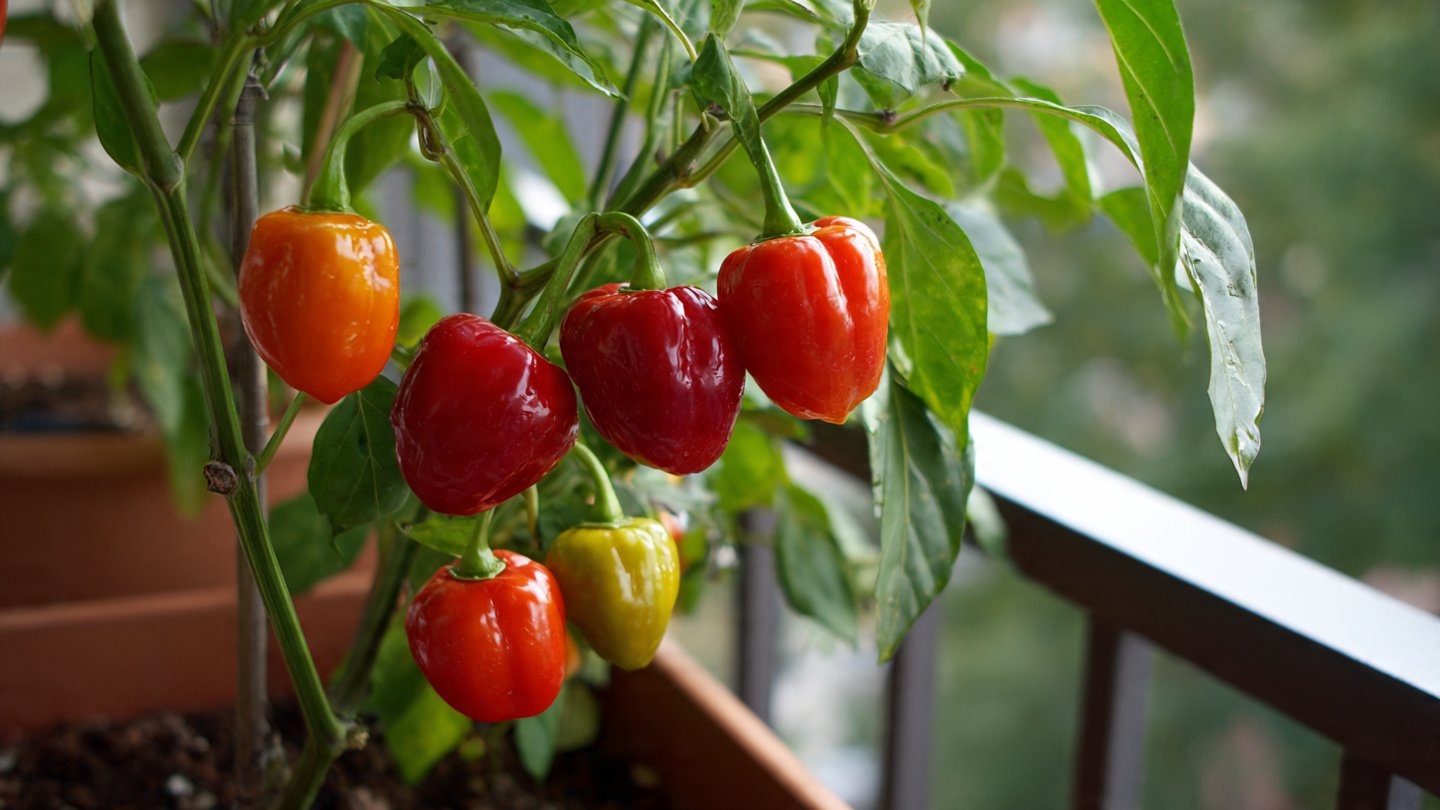
Growing your own peppers in a small balcony pot may seem daunting at first, but with the right approach, it’s entirely achievable. Whether you live in a compact city apartment or a cozy suburban home, balcony gardening can be both rewarding and productive. Peppers, ranging from sweet bell varieties to fiery chili types, are particularly suited for container gardening due to their manageable size and relatively low maintenance requirements. In this guide, we’ll explore everything you need to know to successfully grow peppers in a small pot, from selecting the right varieties to harvesting your first vibrant fruits.
Choosing the Right Pepper Variety for Balcony Gardening
The first step to success is picking the right type of pepper for your space. Not all pepper plants thrive in confined containers. When choosing a variety, consider:
- Size: Compact or dwarf varieties are ideal. Look for names like “Mini Bell,” “Tiny Tim,” or “Jalapeño Compact,” which are bred for container growth.
- Growth habit: Bush-type peppers are better suited for pots than tall, sprawling varieties.
- Climate suitability: Depending on your region, select peppers that can tolerate the temperature range of your balcony. Sweet peppers often prefer warmer, stable conditions, while some chili varieties tolerate partial shade better.
Selecting the Perfect Container
Container choice can make or break your pepper-growing success. Consider these key factors:
- Size: A pot should be at least 12 inches in diameter for a single pepper plant. This gives enough room for roots to develop and ensures proper nutrient and water availability.
- Material: Terracotta pots allow for better airflow but can dry out quickly. Plastic pots retain moisture longer but may overheat in direct sun. Lightweight resin containers are a versatile alternative.
- Drainage: Ensure your pot has multiple drainage holes. Waterlogged soil can lead to root rot, stunting growth and reducing fruit production.
Choosing the Right Soil Mix
Peppers thrive in rich, well-draining soil. A high-quality potting mix is essential for potted peppers. Look for soil that contains:
- Organic matter: Compost or well-rotted manure enriches the soil and provides slow-release nutrients.
- Aeration: Materials like perlite or vermiculite prevent compaction and promote healthy root development.
- Balanced nutrients: Peppers benefit from a soil mix that’s slightly acidic to neutral (pH 6.0–7.0) and contains adequate nitrogen, phosphorus, and potassium.
Avoid using garden soil alone, as it may be too dense for container growing and could harbor pests or diseases.
Optimal Light Conditions
Peppers love sunlight. For a healthy harvest:
- Full sun: Ideally, your balcony should receive at least 6–8 hours of direct sunlight daily. South-facing balconies are perfect.
- Supplemental lighting: If your balcony is shaded, consider using a grow light to supplement natural light. LED or fluorescent grow lights can help peppers develop strong stems and abundant fruits.
- Rotation: Rotate pots every few days to ensure all sides of the plant receive equal sunlight, promoting uniform growth.
Watering and Humidity Management
Container-grown peppers require consistent moisture, but overwatering is a common mistake. Here’s how to manage it:
- Check soil moisture: Stick your finger about an inch into the soil. Water only if it feels dry at this depth.
- Watering frequency: In warm weather, you may need to water daily. In cooler months, watering every 2–3 days may suffice.
- Drainage: Always let excess water escape from the bottom of the pot to prevent root rot.
- Humidity: Peppers enjoy moderate humidity. On dry balconies, misting the foliage occasionally or placing a small tray of water nearby can maintain a favorable microclimate.
Fertilizing Your Balcony Peppers
Container plants need more frequent feeding than those grown in the ground. A proper fertilization routine ensures strong growth and abundant fruits:
- Balanced fertilizer: Use a water-soluble fertilizer with a balanced N-P-K ratio (e.g., 10-10-10) every 2–3 weeks.
- High-potassium boost: When flowers start forming, switch to a fertilizer with higher potassium to encourage fruit development.
- Organic alternatives: Compost tea, fish emulsion, or seaweed extract can nourish peppers naturally without chemical buildup.
Pruning and Supporting Your Plants
Although peppers are naturally bushy, light pruning can improve airflow, reduce disease risk, and enhance fruiting:
- Remove suckers: Trim small shoots growing from leaf axils to direct energy to main branches.
- Pinch early flowers: For the first few weeks, pinch off early flowers to encourage root and foliage development.
- Provide support: Stakes or small cages help keep branches upright, especially when fruiting. This prevents breakage in windy balcony conditions.
Pollination in Containers
Peppers require pollination to produce fruit. On a balcony, natural pollinators like bees may be limited. You can assist manually:
- Hand pollination: Gently shake the flowers or use a small brush to transfer pollen from one bloom to another.
- Vibration method: Electric toothbrushes or light tapping of the flower clusters can mimic pollinator activity.
Pests and Diseases on a Balcony
Even in small spaces, peppers can attract pests. Monitor your plants regularly:
- Aphids and whiteflies: Spray with a gentle insecticidal soap or neem oil solution.
- Spider mites: Increase humidity and rinse leaves to deter infestations.
- Fungal issues: Ensure proper air circulation and avoid water on foliage to prevent powdery mildew and other fungal diseases.
Harvesting and Enjoying Your Peppers
Timing is everything when harvesting peppers:
- Color change: Most varieties are ready when they change color from green to red, yellow, or orange, depending on type.
- Firmness: Fruits should feel firm but not hard.
- Cut, don’t pull: Use scissors or pruners to avoid damaging the plant.
Freshly harvested peppers can be eaten raw, roasted, or added to your favorite dishes. They’re also ideal for drying or pickling for long-term use.
Tips for Year-Round Balcony Pepper Gardening
With a few adjustments, you can enjoy peppers beyond the main growing season:
- Move indoors: Bring pots inside during cooler months near a sunny window or under grow lights.
- Use smaller varieties: Mini peppers thrive in limited space and indoor conditions.
- Extend season: Covering pots with a cloche or clear plastic dome can protect plants from early frost while retaining heat.
Conclusion
Growing peppers in a small balcony pot is a rewarding and accessible gardening project, even for urban dwellers. By selecting the right variety, providing adequate light, soil, water, and nutrients, and taking steps to prevent pests and diseases, you can enjoy a bountiful harvest. Not only does balcony pepper gardening offer fresh, flavorful fruits, but it also adds greenery and life to your outdoor space, enhancing both your meals and your living environment. With patience, attention, and a little care, even a tiny balcony can yield a thriving pepper garden.