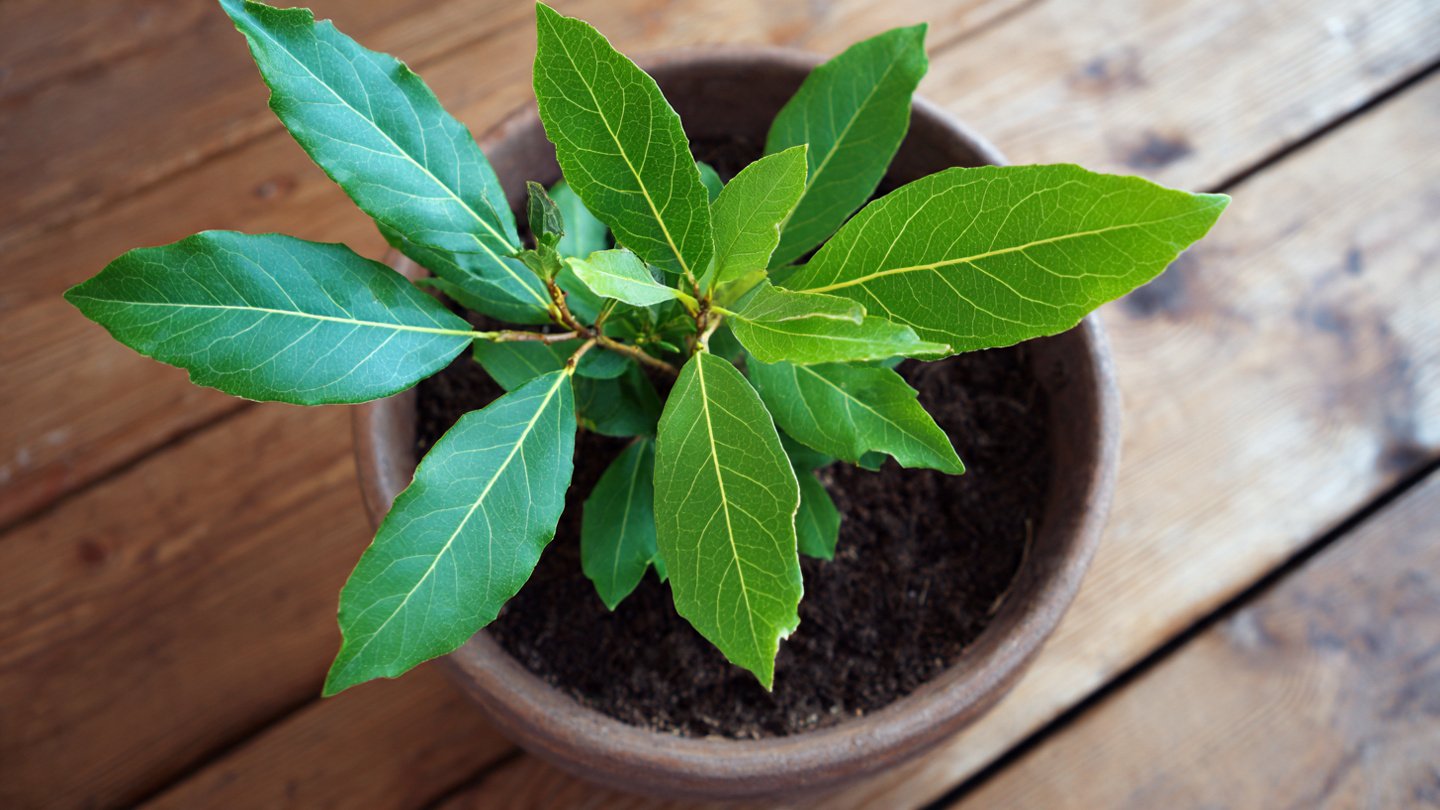
Bay leaves are a kitchen staple known for their warm, aromatic flavor that enhances soups, stews, sauces, and slow-cooked dishes. While many cooks rely on dried bay leaves from the store, growing your own bay leaf plant at home offers fresher flavor, year-round access, and the satisfaction of harvesting straight from your garden or windowsill.
With the right care, bay leaf plants are surprisingly easy to grow, whether you have a sunny balcony, a small patio, or a bright indoor space. Understanding their needs is the key to long-term success.
Understanding the Bay Leaf Plant
Bay leaves come from the bay laurel tree, an evergreen plant native to the Mediterranean region. In its natural environment, it can grow into a large tree, but when cultivated at home, it adapts well to container growing and regular pruning.
Bay laurel is prized not only for its culinary value but also for its ornamental appeal. Its glossy green leaves and compact growth make it a beautiful addition to home gardens and indoor plant collections.
Choosing the Right Growing Method
You can grow bay leaves at home using one of three methods:
- Nursery plants: The easiest and fastest way to start
- Cuttings: Ideal if you have access to an established plant
- Seeds: Possible but slow and less reliable
For most home gardeners, starting with a young plant from a nursery provides the best balance of convenience and success.
Selecting the Perfect Location
Bay leaf plants thrive in bright, sunny conditions. Outdoors, they prefer full sun to partial shade, while indoors they need a bright window with several hours of sunlight each day.
Key location tips:
- Choose a spot with at least 6 hours of sunlight
- Protect outdoor plants from strong winds
- Indoors, rotate the plant regularly to ensure even growth
Bay laurel appreciates warmth, but it should be shielded from extreme heat or frost.
Soil Requirements for Healthy Growth
Good soil is essential for a thriving bay leaf plant. Bay laurel prefers well-draining soil that does not retain excess moisture.
An ideal soil mix includes:
- High-quality potting soil
- Added sand or perlite for drainage
- Slightly acidic to neutral pH
Avoid heavy garden soil, which can compact easily and lead to root problems.
Watering the Right Way
One of the most common mistakes when growing bay leaves is overwatering. Bay laurel prefers soil that dries slightly between waterings.
Watering guidelines:
- Water deeply, then allow the topsoil to dry
- Reduce watering during cooler months
- Ensure containers have proper drainage holes
Soggy soil can lead to root rot, which is one of the few serious issues bay plants face.
Feeding Your Bay Leaf Plant
Bay laurel is not a heavy feeder, but occasional nourishment supports healthy growth and leaf production.
Fertilizing tips:
- Use a balanced, slow-release fertilizer in spring
- Avoid excessive nitrogen, which promotes weak growth
- Stop feeding in late autumn and winter
A modest feeding routine keeps the plant vigorous without overwhelming it.
Growing Bay Leaves Indoors
Bay leaf plants adapt well to indoor environments, making them perfect for apartment gardeners.
To succeed indoors:
- Place the plant near a bright, south- or west-facing window
- Ensure good air circulation
- Wipe leaves occasionally to remove dust
Indoor plants grow more slowly, but they remain healthy and productive with proper care.
Pruning for Shape and Leaf Production
Pruning plays a crucial role in keeping bay leaf plants compact and productive. Regular trimming encourages branching and prevents the plant from becoming leggy.
Pruning guidelines:
- Prune lightly throughout the growing season
- Remove damaged or crossing branches
- Shape the plant to your desired size
Bay laurel responds well to pruning and can even be trained into decorative forms like standards or small trees.
Harvesting Bay Leaves
One of the biggest rewards of growing bay leaves at home is harvesting them fresh. Leaves can be picked once the plant is established, usually after its first year.
Harvesting tips:
- Pick mature, dark green leaves
- Harvest sparingly from young plants
- Avoid removing more than one-third of the plant at a time
Fresh bay leaves have a stronger flavor than dried ones, so use them sparingly in cooking.
Drying and Storing Bay Leaves
Most cooks prefer dried bay leaves for consistent flavor. Drying your homegrown leaves is simple.
Steps for drying:
- Rinse leaves gently and pat dry
- Lay them flat in a warm, airy location
- Allow them to dry for 1–2 weeks
Once dry, store bay leaves in an airtight container away from light and heat. Properly stored leaves retain flavor for up to a year.
Dealing With Common Problems
Bay leaf plants are generally resistant to pests and diseases, but occasional issues may arise.
Common concerns include:
- Yellowing leaves from overwatering
- Slow growth due to low light
- Scale insects or aphids indoors
Most problems are easily corrected by adjusting care conditions early.
Overwintering Bay Leaf Plants
In colder climates, bay laurel must be protected from frost. Container-grown plants can be moved indoors during winter.
Winter care tips:
- Bring plants indoors before temperatures drop
- Reduce watering and feeding
- Keep plants in a cool, bright area
With proper overwintering, bay plants can live for decades.
Why Growing Bay Leaves at Home Is Worth It
Growing bay leaves at home offers more than just culinary convenience. It provides:
- Fresh, aromatic leaves year-round
- Cost savings over store-bought herbs
- A low-maintenance, attractive plant
- A deeper connection to home cooking
Few plants combine beauty, practicality, and longevity as well as bay laurel.
Conclusion
Successfully growing your own bay leaves at home is easier than many gardeners expect. With the right balance of sunlight, well-draining soil, careful watering, and occasional pruning, bay laurel becomes a reliable and rewarding plant.
Whether grown indoors, on a balcony, or in a garden container, bay leaves offer lasting value and flavor. By understanding the plant’s needs and respecting its natural growth habits, you can enjoy fresh, homegrown bay leaves for years to come—straight from your own living space to your kitchen.