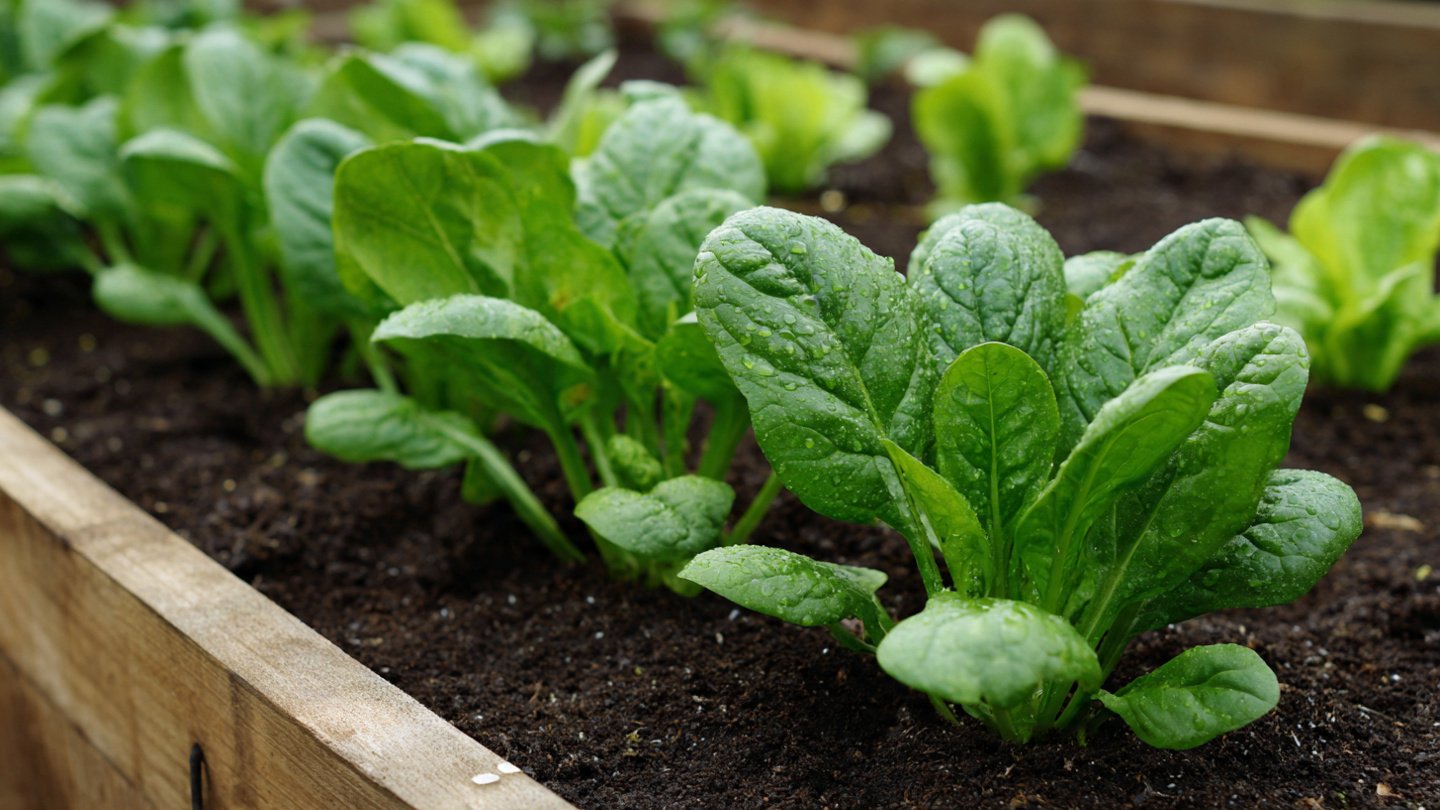
Spinach is one of the most versatile and nutrient-packed leafy greens you can grow at home. Rich in iron, vitamins, and antioxidants, spinach thrives when given the right conditions. However, for gardeners living in cooler climates or those who want to extend their growing season, the challenge is keeping spinach thriving during colder months. This is where a cold frame comes in as an invaluable tool. Cold frames are simple, low-cost structures that allow you to protect your plants from frost, retain warmth, and even accelerate growth in early spring or late fall. If you’ve ever wondered how to successfully grow spinach in a cold frame, here’s a comprehensive guide that will help you enjoy fresh, tender greens almost year-round.
Understanding the Cold Frame Advantage
A cold frame is essentially a mini-greenhouse, usually consisting of a transparent lid attached to a wooden, metal, or plastic frame. Its main purpose is to trap solar energy, warming the soil and air inside while shielding plants from harsh winds and frost. Unlike a full greenhouse, a cold frame doesn’t require supplemental heating. This makes it ideal for hardy vegetables like spinach that can tolerate cooler temperatures but still benefit from protection against extreme weather.
The benefits of using a cold frame for spinach include:
- Extended Growing Season: You can start planting earlier in spring and continue harvesting later in fall or winter.
- Frost Protection: Spinach is cold-hardy, but a light frost can damage young seedlings. A cold frame provides a buffer.
- Reduced Pest Pressure: Cold frames act as a barrier against common pests like slugs, snails, and leaf miners.
- Consistent Growth: By moderating temperature fluctuations, spinach grows more uniformly and avoids bolting prematurely.
Choosing the Right Location
The success of your cold frame depends largely on where it is placed. Look for a location that receives full sun, ideally south-facing if you are in the northern hemisphere. Sunlight is crucial for warming the frame during the day. The area should also be sheltered from strong winds, which can reduce the internal temperature and stress your spinach plants. If your soil tends to stay wet, slightly elevate the cold frame or ensure proper drainage to avoid waterlogged conditions, which can lead to root rot.
Preparing the Soil
Spinach thrives in loamy, well-drained soil rich in organic matter. Before planting, remove weeds and incorporate compost or well-rotted manure to improve soil fertility. Spinach prefers a slightly acidic to neutral pH, around 6.0 to 7.0. A light application of a balanced, slow-release fertilizer can also provide essential nutrients for healthy growth.
Inside a cold frame, soil tends to warm faster, so it’s a good idea to pre-warm the soil by leaving the lid closed for a few days before sowing seeds. This encourages faster germination and gives seedlings a strong start.
Selecting the Right Spinach Varieties
Not all spinach varieties perform equally well in a cold frame. Choose cold-tolerant varieties to maximize success. Some excellent options include:
- ‘Bloomsdale Long Standing’ – Known for its crinkled, flavorful leaves and strong cold tolerance.
- ‘Giant Winter’ – Produces large, tender leaves ideal for salads and cooking.
- ‘Baby’s Leaf’ or ‘Space’ – Quick-growing, perfect for continuous harvests.
When planting for fall or winter harvest, consider slow-bolting varieties, as extreme cold or short daylight can trigger premature flowering in some types.
Sowing Seeds and Planting Techniques
For cold frame cultivation, spinach can be sown directly in the soil or started as seedlings. Sow seeds ½ inch deep and space them about 2 inches apart. Rows should be 6–8 inches apart to allow airflow and ease of harvesting. If you prefer transplants, start seeds in trays indoors 3–4 weeks before moving them to the cold frame.
Thinning seedlings is crucial once they reach a few inches in height. Thin them to 4–6 inches apart to allow enough space for the leaves to grow large and healthy. Thinning also reduces competition for nutrients and sunlight.
Managing Temperature and Ventilation
Although spinach is cold-hardy, temperature control inside the cold frame is key to preventing stress. On sunny days, temperatures can rise rapidly, even in winter. To avoid overheating:
- Prop the lid open during warm afternoons to allow airflow.
- Close the lid at night to retain heat and protect against frost.
- Use thermometers inside the frame to monitor temperature swings and ensure it stays within 35–70°F (1.6–21°C), the optimal range for spinach growth.
Mulching the soil with straw or shredded leaves can also help regulate soil temperature, retain moisture, and suppress weeds.
Watering and Feeding
Spinach prefers consistent moisture. The soil should be kept damp but not soggy. Overwatering can encourage fungal diseases, while underwatering leads to tough, bitter leaves. Using a gentle watering method, such as a watering can or soaker hose, helps prevent soil erosion and damage to young plants.
Feeding spinach in a cold frame can boost growth during slow winter months. A liquid fertilizer high in nitrogen encourages lush, leafy development. Apply every 3–4 weeks, following manufacturer instructions, or sprinkle a light layer of compost over the soil surface.
Pest and Disease Management
Even in a protected environment, spinach can fall prey to aphids, leaf miners, and fungal diseases like downy mildew. Prevention is easier than cure:
- Inspect plants regularly for pests.
- Remove any yellowing or damaged leaves promptly.
- Rotate crops in the cold frame to prevent disease buildup.
- Ensure good airflow to reduce humidity, which encourages fungal growth.
Harvesting Spinach
One of the joys of growing spinach in a cold frame is continuous harvests. Young, tender leaves can be harvested as “baby spinach” by snipping them individually. For full-sized leaves, harvest by cutting entire outer leaves, allowing the inner leaves to continue growing.
Harvest in the morning for the best flavor and texture, as sugars are highest then. Regular harvesting encourages new growth, giving you a steady supply of fresh spinach for weeks or even months.
Tips for Year-Round Success
- Succession planting: Sow seeds every 2–3 weeks to maintain a continuous harvest.
- Rotate crops: Avoid planting spinach in the same soil consecutively to reduce disease risk.
- Winter care: During extremely cold nights, add a layer of row cover or extra insulation inside the cold frame.
- Cleaning: At the end of the season, remove debris, disinfect the frame, and prepare the soil for the next planting cycle.
By following these practices, growing spinach in a cold frame can become a rewarding experience. Not only does it provide access to fresh, nutrient-dense greens during months when store-bought spinach is less flavorful, but it also teaches valuable skills in season extension and sustainable gardening. With careful attention to location, soil preparation, and plant management, your cold frame can become a mini spinach paradise, producing crisp, healthy leaves almost all year long.