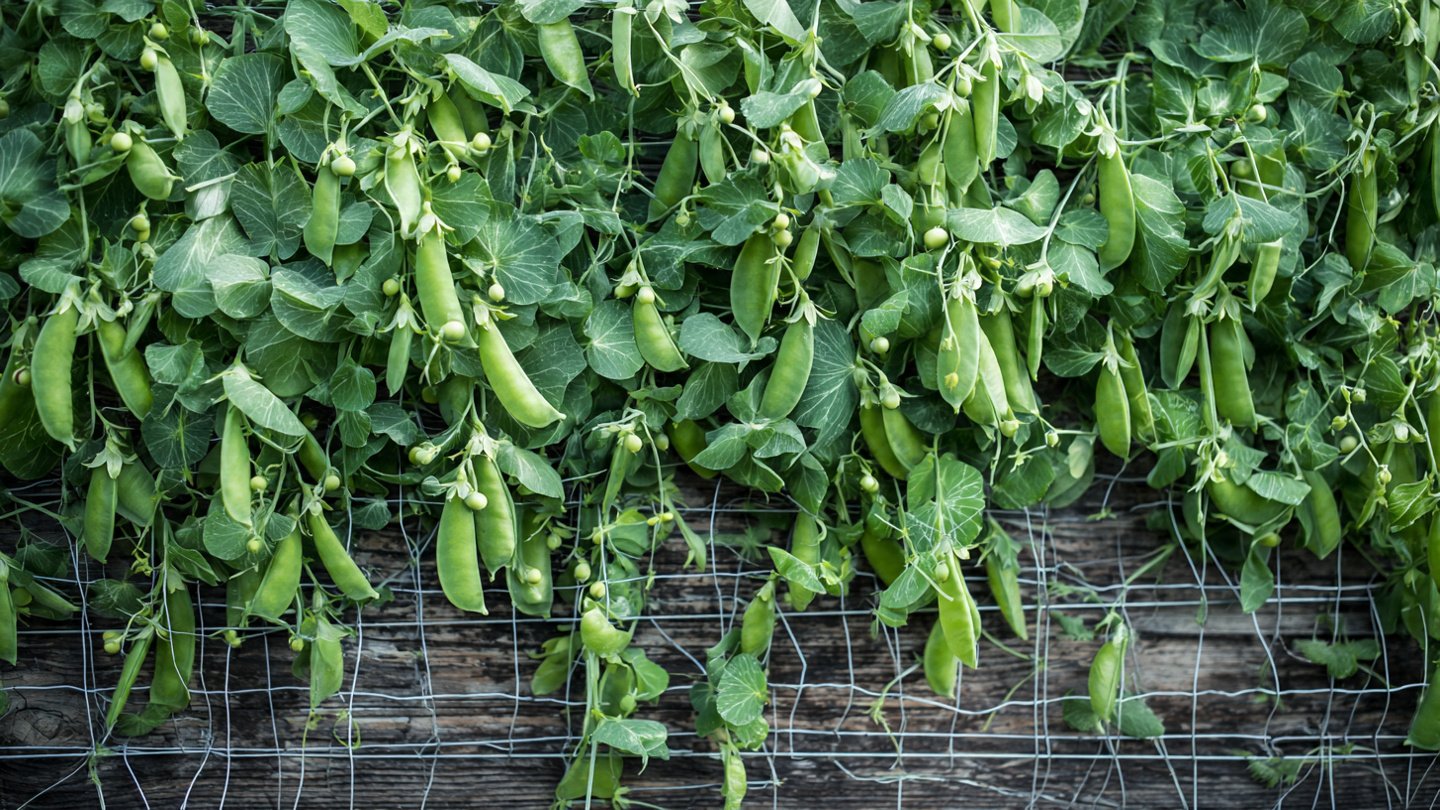
Growing peas is a rewarding gardening experience, but limited space can make traditional row planting challenging. Enter vertical gardening—a method that maximizes space, improves air circulation, and simplifies harvesting. Using wire as a support system, you can cultivate a lush, productive pea garden even in small yards, balconies, or urban plots. With the right planning, care, and support, your vertical pea garden can flourish and yield abundant pods throughout the season.
Why Vertical Gardening Works for Peas
Peas are naturally climbing plants, producing tendrils that curl around anything nearby for support. If left unsupported, vines sprawl along the ground, making plants more susceptible to disease, pests, and damage. Vertical gardening addresses these challenges while offering several benefits:
- Space Efficiency: Vertical structures allow peas to grow upwards rather than outwards, freeing ground space for other crops.
- Better Airflow: Elevated plants receive improved ventilation, reducing the risk of fungal diseases like powdery mildew.
- Easier Harvesting: Pods are more accessible when they hang at eye level rather than hidden in tangled vines on the ground.
- Higher Yields: Peas can grow taller and healthier when supported, producing more pods over the growing season.
Choosing the Right Variety
Before constructing your vertical garden, select a pea variety suited for vertical growth. Some good options include:
- Tall or climbing varieties like Sugar Snap, Snow Peas, and English Peas.
- Bush varieties are generally shorter and less suited for vertical growth, but can work if combined with wire trellises.
Tall, climbing types will maximize your wire support and allow continuous harvesting as vines grow.
Setting Up Wire Supports
Wire is an inexpensive, durable, and versatile material for vertical gardens. Here’s how to set it up effectively:
- Choose the Right Wire:
- Galvanized wire or heavy-duty garden wire resists rust and supports growing vines.
- Trellis or mesh wire with openings around 2-4 inches works well for tendrils to grip.
- Install Sturdy Stakes:
- Place wooden or metal stakes at intervals along the row where peas will grow.
- Stakes should be at least 6-8 feet tall for most climbing peas to allow full vertical growth.
- Attach the Wire:
- Run horizontal or diagonal wires from stake to stake, ensuring they are taut.
- You can also create a grid or netting for tendrils to weave into.
- Spacing:
- Position stakes 18-24 inches apart.
- Allow enough room for air circulation and sunlight penetration to prevent overcrowding.
Planting Peas for Vertical Growth
- Soil Preparation:
- Peas prefer well-draining soil with a neutral to slightly alkaline pH (6.0-7.5).
- Enrich soil with compost or organic matter to boost fertility, but avoid excessive nitrogen, which encourages foliage over pods.
- Planting Seeds:
- Sow seeds 1-2 inches deep and 2-3 inches apart along the base of the wire support.
- For longer harvests, plant in succession every 2-3 weeks.
- Initial Support Guidance:
- Gently guide young seedlings toward the wire. Use soft ties if necessary to encourage upward growth.
- Tendrils will naturally begin wrapping around the wire as the plant matures.
Caring for Your Vertical Pea Garden
Proper maintenance ensures vigorous growth and high yields.
- Watering:
Peas need consistent moisture, especially during flowering and pod formation. Water deeply once or twice a week, avoiding overhead watering that may promote fungal diseases. - Mulching:
Apply a 2-3 inch layer of organic mulch around the base to retain moisture, regulate soil temperature, and suppress weeds. - Fertilization:
Peas fix nitrogen naturally, so heavy fertilization is not necessary. A light dose of compost or balanced organic fertilizer during early growth can boost productivity. - Pruning and Training:
Remove any dead or diseased foliage promptly. Guide tendrils to the wire if needed to keep vines growing upward rather than sprawling.
Managing Pests and Diseases
Vertical gardening helps reduce many common pea problems, but vigilance is still required:
- Aphids: Look for clusters on young shoots and pods. Spray with water or insecticidal soap if necessary.
- Powdery Mildew: Good airflow from vertical growth reduces risk, but remove affected leaves if mildew appears.
- Pea Weevils or Slugs: Monitor seedlings and harvest promptly to prevent damage.
Harvesting Tips
- Peas are best harvested when pods are full but still tender.
- Regular picking encourages continuous pod production.
- Gently twist or snip pods from the vine to avoid damaging stems or tendrils.
Maximizing Vertical Space
- Companion Planting: Mix peas with tall companion crops like corn or sunflowers for shared support, if desired.
- Layering Varieties: Plant early-maturing peas at the bottom and slower-growing types above to extend the harvest season.
- Overhead Arches: For decorative vertical gardens, bend wire into arches or tunnels for peas to climb over, creating a living pea canopy.
Benefits of Wire Vertical Gardens Beyond Peas
- Reusable: Wires can be left in place season after season.
- Adaptable: Easy to expand or adjust for new crops.
- Decorative: Adds height and structure to small gardens, patios, or balconies.
Vertical gardening is not only practical—it enhances the visual appeal of your garden while supporting healthy plant growth.
Conclusion
Growing peas on a vertical wire support is a simple yet highly effective way to boost yields, save space, and enjoy a beautiful, productive garden. By selecting climbing varieties, installing sturdy wire trellises, and providing proper care, gardeners of all levels can create a thriving vertical pea garden. The combination of space efficiency, improved air circulation, and ease of harvesting makes this method ideal for small yards, urban gardens, or anyone looking to maximize their edible landscape. With attention to detail and consistent maintenance, your vertical garden of peas can become a lush, productive, and visually striking feature in any outdoor space.