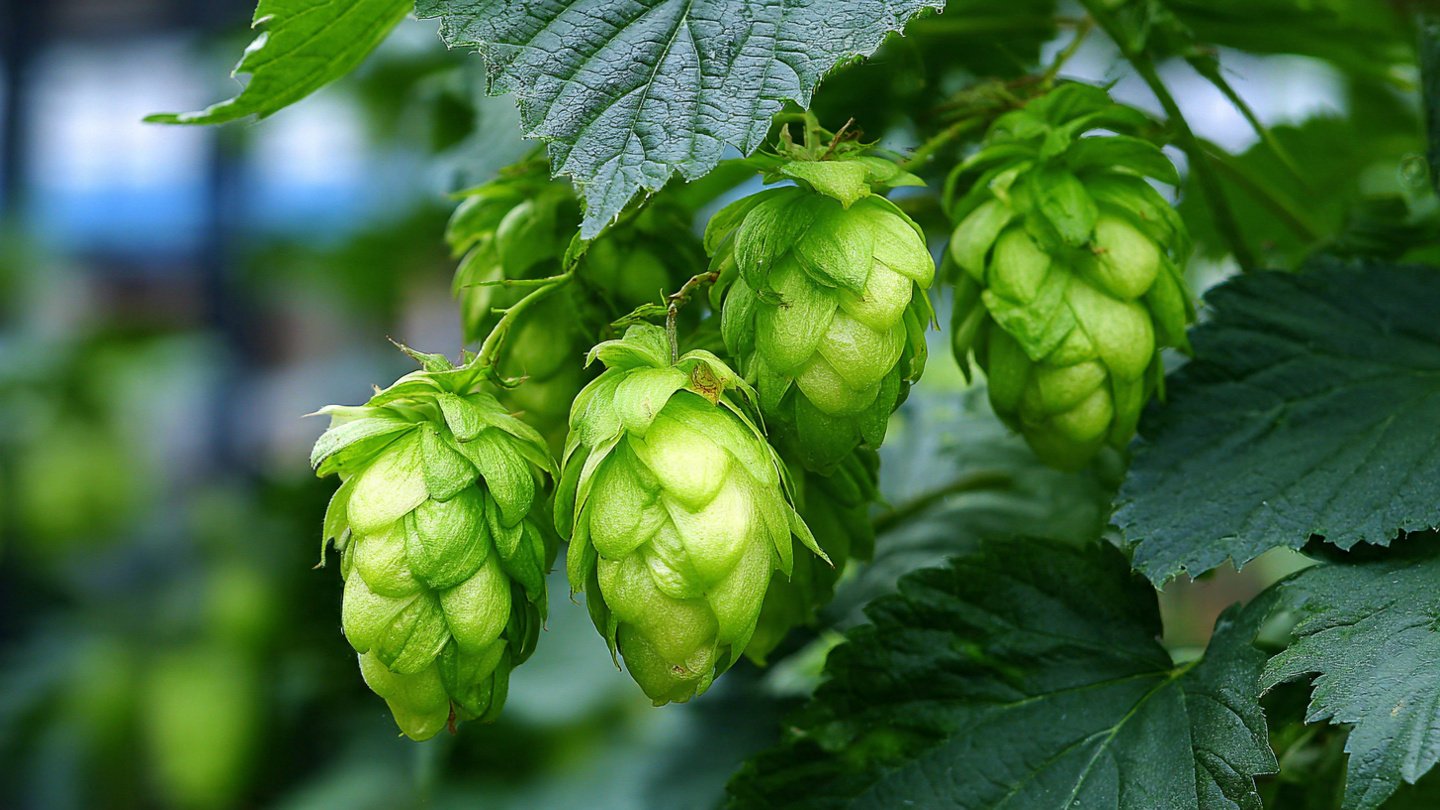
Growing your own hops is a rewarding step for any home brewer. Not only does it give you fresher, more aromatic ingredients, but it also connects you deeply to the brewing process. Hops are vigorous climbing plants that thrive when grown vertically, making them perfect for gardeners with limited ground space. With the right setup, care, and patience, a vertical hop garden can become both a productive and visually striking feature of your outdoor space.
Why Grow Hops Vertically?
Hops are natural climbers that can grow 15–25 feet in a single season. In the wild and on farms, they climb tall trellises or strings to reach sunlight. Vertical gardening mimics this natural habit while maximizing space efficiency.
Vertical growth improves air circulation, reduces disease risk, and makes harvesting easier. It also allows gardeners with small yards, patios, or even balconies to grow hops successfully. By growing upward instead of outward, you can enjoy a high yield without sacrificing valuable garden space.
Understanding the Needs of Hop Plants
Hops are perennial plants that grow from underground rhizomes. Once established, they return year after year with increasing vigor. To thrive, hops require:
- Full sun (at least 6–8 hours daily)
- Well-draining, nutrient-rich soil
- Strong vertical support
- Consistent watering
- Regular pruning and training
Understanding these basics is key to long-term success.
Choosing the Right Hop Varieties
Before planting, consider what styles of beer you enjoy brewing. Different hop varieties offer unique flavor and aroma profiles, ranging from citrusy and floral to earthy and spicy. Choose varieties that suit your climate and brewing preferences.
Some hops are more tolerant of heat, while others prefer cooler conditions. Researching regionally suitable varieties will improve your chances of success and ensure healthy growth throughout the season.
Setting Up a Vertical Support System
A sturdy vertical structure is essential, as mature hop vines—called bines—become heavy as they grow. Common support options include:
- Tall trellises
- Pergolas or arbors
- Poles with tensioned wires
- Wall-mounted vertical frames
Coir twine or strong garden string is often used to guide the bines upward. Secure the string firmly at the top, as hop plants exert surprising force as they climb.
For small gardens, a fan-shaped or angled trellis can help control height while still encouraging vertical growth.
Preparing the Soil for Strong Growth
Healthy soil is the foundation of a productive hop garden. Hops prefer loose, well-draining soil rich in organic matter. Before planting, amend the soil with compost or well-rotted manure to improve fertility.
A slightly acidic to neutral pH is ideal. Raised beds or large containers can also work well, especially in areas with heavy or compacted soil. Good drainage is critical, as waterlogged roots can quickly lead to rot.
Planting and Training Hop Bines
Plant hop rhizomes in spring after the risk of frost has passed. Space plants at least three feet apart to allow for airflow and root expansion.
Once shoots emerge and reach about one foot tall, select the strongest two or three bines and remove the rest. Gently wind the selected bines clockwise around the support string—hops naturally climb in this direction. Regular training during early growth helps establish strong upward movement.
Removing excess shoots focuses energy on productive growth and prevents overcrowding.
Watering and Feeding for Maximum Yield
Hops are thirsty plants, especially during rapid summer growth. Water deeply and consistently, ensuring moisture reaches the root zone. Avoid shallow, frequent watering, which encourages weak root systems.
Mulching around the base helps retain moisture and regulate soil temperature. Hops also benefit from regular feeding, particularly nitrogen early in the season to support vine growth. As flowering begins, balanced nutrients help support cone development.
Organic fertilizers and compost teas are popular choices among home brewers who want natural inputs.
Managing Growth and Preventing Disease
Because hops grow quickly, regular maintenance is essential. Prune lower leaves to improve airflow and reduce the risk of fungal diseases. Keeping the base of the plant clear also discourages pests.
Vertical growth naturally reduces disease pressure by keeping foliage off the ground and allowing sunlight to penetrate the canopy. Inspect plants regularly for signs of stress, pests, or discoloration, and address issues early.
Harvesting and Drying Your Hops
Hop cones are typically ready for harvest in late summer. Mature cones feel dry and papery, spring back when squeezed, and release a strong aroma. Harvesting too early can reduce flavor, while harvesting too late can diminish quality.
After harvesting, hops must be dried quickly to prevent mold. Spread cones in a single layer in a well-ventilated, shaded area. Once dry, they can be stored in airtight containers in a freezer until brewing time.
Homegrown hops offer unmatched freshness and character, often enhancing beer aroma more than commercial options.
Seasonal Care and Long-Term Maintenance
At the end of the growing season, cut bines back to a few inches above ground once they die back naturally. Mulch heavily to protect roots during winter. Over time, hop crowns grow larger and more productive, making each season better than the last.
Vertical structures can remain in place year-round, requiring only minor maintenance. With proper care, a hop garden can remain productive for decades.
Final Thoughts
Growing a vertical garden of hops for home brewing is both practical and deeply satisfying. It transforms unused vertical space into a living ingredient source while adding dramatic greenery to your garden. With strong supports, healthy soil, and attentive care, hops reward growers with vigorous growth and high-quality cones.
For home brewers, the ability to say “I grew this” adds a new layer of pride to every batch. Whether you’re brewing casually or perfecting your signature recipe, a vertical hop garden brings craftsmanship full circle—from soil to glass.