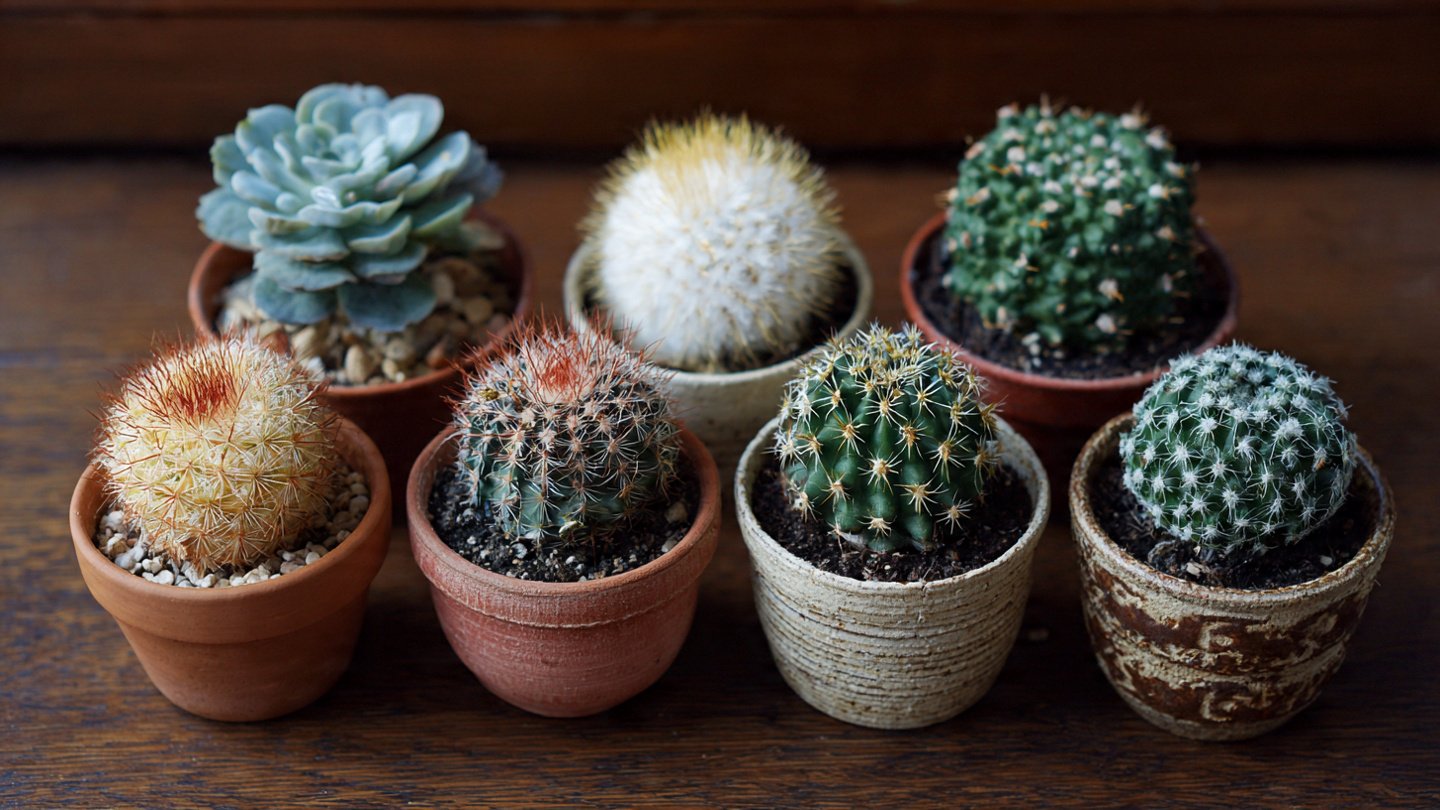
Caring for cacti and succulents requires understanding their unique needs. One of the most crucial aspects of their care is repotting. Whether your plants have outgrown their pots, the soil has compacted, or you simply want to refresh their growing medium, repotting is essential for healthy growth. However, succulents and cacti have delicate root systems and spines that can make repotting a daunting task. This guide will take you through a step-by-step approach to safely repot these fascinating plants.
Why Repotting Matters
Repotting is more than just moving a plant to a bigger pot. Over time, the soil in which cacti and succulents grow loses its nutrients and becomes compacted. Roots may start circling the pot, leading to poor nutrient absorption and stunted growth. Additionally, repotting allows you to:
- Refresh the Soil – Replacing old soil with fresh, well-draining cactus or succulent mix ensures proper nutrition and reduces the risk of root rot.
- Promote Root Growth – Loosening roots encourages new growth and improves overall plant health.
- Prevent Overcrowding – Some cacti and succulents grow offsets, and repotting gives them room to spread.
- Inspect for Problems – Repotting provides an opportunity to check for pests, root rot, or fungal infections.
Choosing the Right Time to Repot
Timing is critical for repotting success. The best time to repot cacti and succulents is during their active growing season, typically in spring or early summer. Avoid repotting during their dormant period (late fall and winter), as this can stress the plant and slow recovery.
Gathering Your Tools
Before starting, ensure you have the following items:
- Protective gloves – Thick gloves protect your hands from sharp spines.
- Tongs or folded newspaper – Useful for handling spiny cacti safely.
- A new pot – Slightly larger than the current one, with drainage holes.
- Cactus or succulent soil mix – Well-draining soil is essential to prevent waterlogging.
- Small brush or soft cloth – For cleaning dirt from the plant.
- Optional: Gravel or small stones – Helps improve drainage at the base of the pot.
Step-by-Step Repotting Process
1. Remove the Plant from Its Current Pot
Gently remove the plant from its current container. If it’s stuck, tap the pot sides or squeeze the plastic to loosen the soil. For larger or spiny cacti, use tongs, folded newspaper, or a specialized cactus tool to lift the plant safely.
2. Inspect the Roots
Check for signs of root rot, pests, or damaged roots. Healthy roots are firm and white or light brown. Trim any rotten or dried-out roots using sterilized scissors. This step prevents infections and encourages fresh root growth.
3. Prepare the New Pot
Add a layer of small stones or gravel at the bottom for extra drainage. Then, fill the pot partially with fresh succulent or cactus soil, creating a small mound in the center for the plant to sit on. This helps the plant maintain stability.
4. Position the Plant
Place the cactus or succulent on top of the soil mound. Spread the roots gently over the soil. Ensure the plant sits at the same depth it was previously planted, as burying it too deep can lead to rot.
5. Fill with Soil
Carefully fill in around the plant with soil, lightly pressing it to remove air pockets but avoiding excessive compression. Keep the plant upright and stable during this process. Be mindful of spines and use gloves or protective tools as needed.
6. Optional Top Dressing
You can add decorative gravel, pebbles, or sand on top. This not only enhances appearance but also prevents soil erosion and helps with moisture retention.
7. Watering After Repotting
Resist the urge to water immediately. Wait 3–7 days to let any root damage heal and reduce the risk of rot. When you water for the first time, do so lightly and ensure excess water drains freely.
Post-Repotting Care
After repotting, your cactus or succulent may experience mild shock, showing slowed growth or slight wilting. Place the plant in a bright, indirect light location and avoid fertilizing for a few weeks. Gradually return to its normal care routine, adjusting watering and light exposure according to the plant type.
Common Mistakes to Avoid
- Using Regular Garden Soil – This can retain too much water and suffocate the roots. Always use a well-draining mix.
- Overwatering Immediately – Newly repotted plants are vulnerable; excessive moisture can lead to rot.
- Planting Too Deep – Burying stems too deeply can suffocate the plant and encourage fungal problems.
- Ignoring Pests and Diseases – Always inspect roots and leaves before repotting to prevent transferring issues to the new pot.
Tips for Healthy Growth After Repotting
- Rotate the plant occasionally to ensure even light exposure.
- Gradually reintroduce direct sunlight for indoor plants.
- Monitor soil moisture closely; cacti and succulents prefer drying out between watering.
- Fertilize sparingly during the growing season with a cactus-friendly fertilizer.
Conclusion
Repotting cacti and succulents may seem intimidating, but with careful handling, proper tools, and the right soil, it can be a rewarding process. Not only does it rejuvenate the plant’s environment, but it also encourages strong root growth and long-term health. Remember, the key is patience—handle spines carefully, avoid overwatering, and provide adequate light and nutrition. With these steps, your cacti and succulents will thrive and continue to bring beauty and interest to your home or garden.