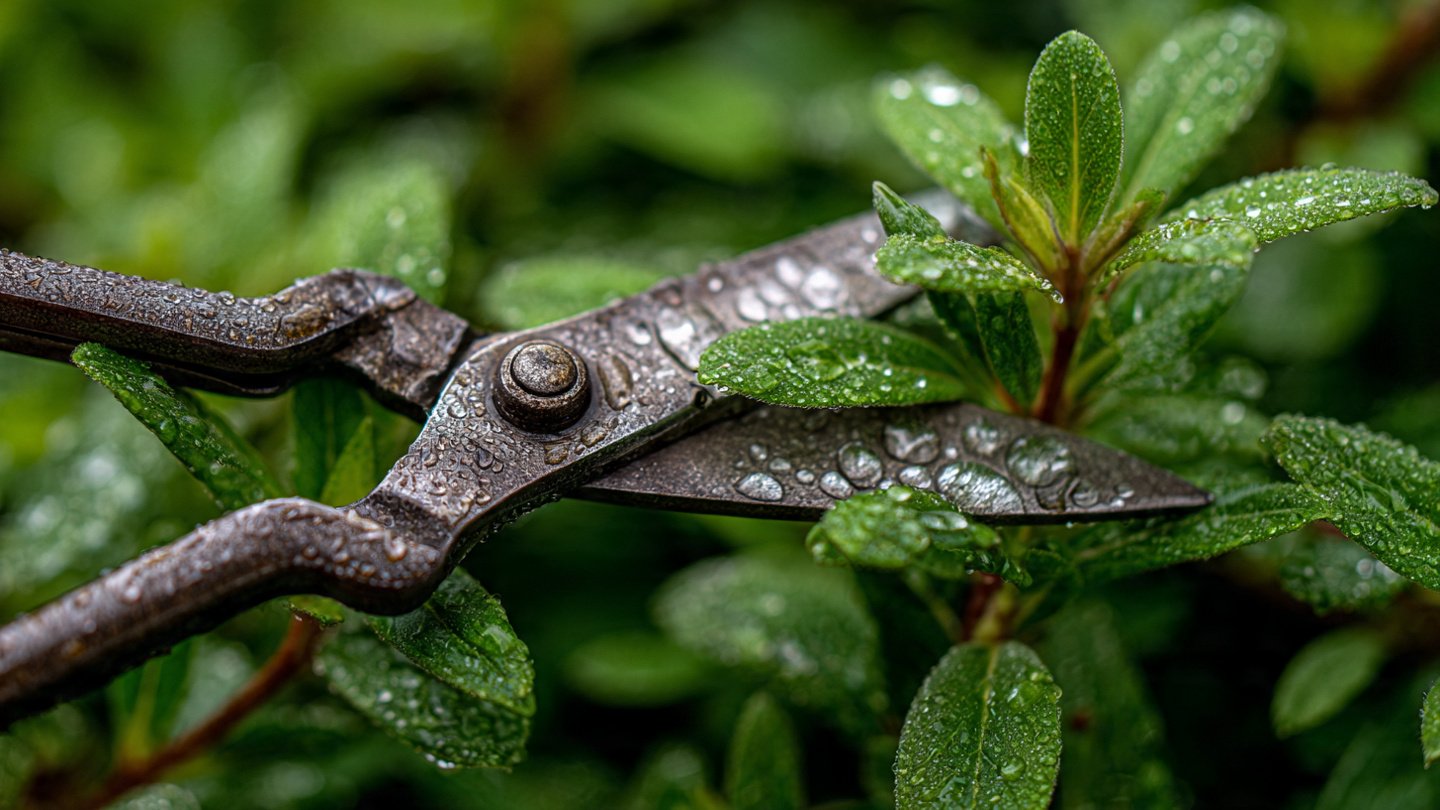
Pruning small herbs is an essential gardening practice that keeps your plants healthy, encourages new growth, and ensures a steady supply of flavorful leaves for cooking. While some gardeners use large pruning shears or knives, small garden scissors are often the most precise tool for the job. However, using them effectively requires more than just picking up the scissors and cutting. Optimizing your garden scissors can make pruning faster, safer, and more beneficial for your herbs. In this guide, we’ll explore how to get the most out of your garden scissors for small herb care.
Why Precision Matters in Herb Pruning
Small herbs, like basil, thyme, parsley, and cilantro, have delicate stems that can be easily damaged by dull or oversized tools. Proper pruning helps in several ways:
- Promotes Bushy Growth: Cutting just above a leaf node encourages branching and fuller plants.
- Prevents Disease: Clean cuts reduce the risk of disease entering the plant through damaged tissue.
- Improves Flavor and Yield: Regular harvesting encourages new leaves to grow, increasing overall yield and flavor intensity.
Using optimized garden scissors ensures these benefits while minimizing stress to the plant.
Choosing the Right Garden Scissors
Not all garden scissors are created equal. When pruning small herbs, consider these features:
- Sharp, Stainless Steel Blades: Sharp blades create clean cuts without crushing stems. Stainless steel resists rust, which is important when working with moist plants.
- Ergonomic Handles: Comfortable, non-slip handles reduce hand fatigue and allow for precise cutting.
- Spring-Loaded Mechanism: Scissors with a spring mechanism reopen automatically, making repeated cuts easier.
- Size: Small scissors, typically 4–6 inches long, provide better control for trimming delicate herbs compared to large shears.
Maintaining Your Garden Scissors
Even the best scissors lose effectiveness if not properly maintained. Here’s how to keep them in top condition:
- Regular Cleaning: After each use, wipe blades with a damp cloth to remove plant residue. For sticky sap, use rubbing alcohol or warm soapy water.
- Sharpening Blades: Over time, blades dull and crush stems instead of cutting them cleanly. Use a small sharpening stone or fine-grit sandpaper to maintain a sharp edge.
- Oiling the Pivot: A drop of lightweight oil at the pivot point ensures smooth operation and prevents rust.
- Safe Storage: Store scissors in a dry place, ideally in a sheath or box, to protect the blades and prevent accidents.
Optimizing Scissors for Efficient Herb Pruning
To prune herbs effectively, you need to pair the right technique with well-maintained scissors.
- Identify the Right Cut Points: Focus on trimming above leaf nodes or just above a fork in the stem. This encourages branching and avoids cutting too far down, which could stress the plant.
- Use the Scissors at the Correct Angle: Cut stems at a 45-degree angle to maximize surface area for healing and reduce the risk of water pooling on the cut.
- Prune Regularly: Frequent, small harvests are better than letting herbs grow too large and then cutting heavily. This keeps plants productive throughout the season.
- Avoid Crushing Stems: A sharp, clean cut minimizes stem damage, preventing disease and promoting faster recovery.
Techniques for Specific Herbs
Different herbs benefit from slightly different pruning methods:
- Basil: Pinch or cut stems just above a leaf pair to encourage bushier growth. Avoid cutting more than one-third of the plant at a time.
- Thyme: Trim sprigs lightly to maintain shape; avoid cutting into woody stems.
- Cilantro: Cut stems at the base for continuous leaf harvest, but leave some leaves for photosynthesis.
- Parsley: Snip outer stems at ground level; inner growth will continue producing leaves.
Enhancing Your Efficiency
Optimized scissors alone are not enough; good pruning habits improve efficiency and plant health:
- Work in Batches: Prune a few plants at a time to avoid fatigue and maintain precision.
- Use Both Hands: Hold the stem with one hand while cutting with the other to reduce accidental damage.
- Collect Cuttings Neatly: Place harvested herbs in a basket or bowl to avoid crushing leaves and maintain freshness.
- Time Your Pruning: Early morning or late afternoon is best, when herbs are hydrated and less stressed by heat.
Advanced Optimization Tips
- Consider Multi-Function Tools: Some garden scissors come with integrated herb stripping features, allowing you to strip leaves efficiently while pruning.
- Color-Coded Scissors: If you prune multiple types of plants, consider color-coding your scissors to prevent cross-contamination of disease or pests.
- Micro-Scissors for Delicate Herbs: For tiny herbs like microgreens, micro-scissors with extremely sharp, narrow blades provide maximum control.
Safety Tips
Even small scissors can cause injury if not handled properly:
- Always cut away from your body.
- Keep scissors out of reach of children.
- Never leave scissors lying on the ground where they could be stepped on.
- When carrying scissors, close them and hold by the handles with blades pointing down.
The Benefits of Optimized Scissors in Your Garden Routine
Well-maintained and optimized garden scissors make herb pruning:
- Faster: Clean cuts reduce the time spent trimming and harvesting.
- Healthier for Plants: Less stress and damage mean more vigorous growth and higher yields.
- More Enjoyable: Comfortable tools reduce hand fatigue and make gardening a pleasant experience.
- Safer: Sharp, well-oiled blades cut smoothly, reducing the risk of slips or jagged cuts.
Conclusion
Pruning small herbs with optimized garden scissors is a simple yet powerful way to enhance your herb garden. By choosing the right scissors, maintaining them properly, and using precise pruning techniques, you can maximize plant health, flavor, and productivity. Whether you’re harvesting basil for a fresh pesto, thyme for seasoning, or parsley for garnish, using well-maintained scissors ensures that every cut is clean and every plant thrives. Regular care of both your herbs and your tools will make your gardening routine more efficient, enjoyable, and rewarding, ultimately leading to a bountiful and flavorful harvest.