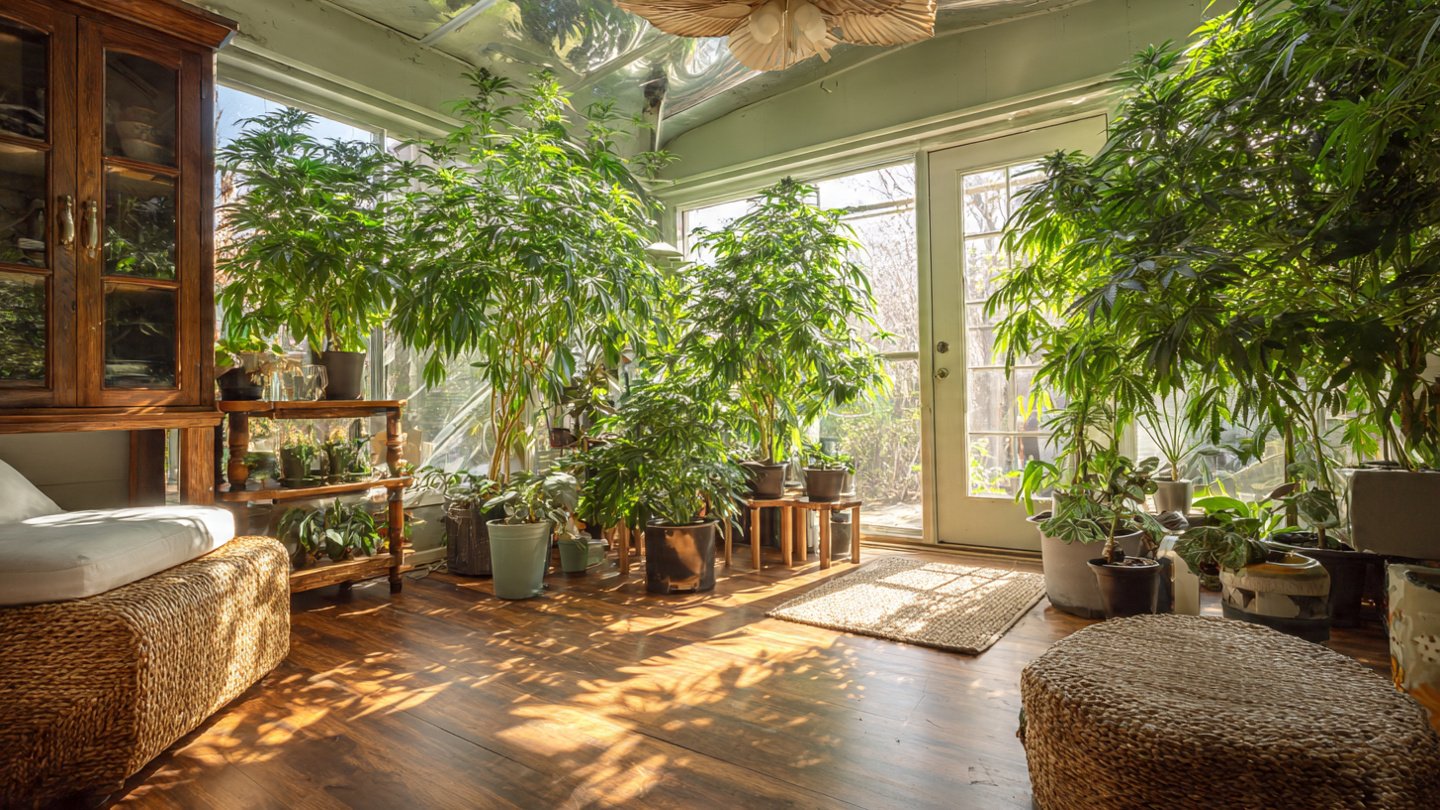
For many gardeners, space is the ultimate challenge. Whether you live in an apartment, have a small backyard, or just want to grow more plants without expanding your footprint, maximizing air space is one of the most effective ways to increase your planting capacity. Air space refers to the vertical and horizontal areas above and around your plants that are often underutilized. By creatively using this space, you can boost plant growth, improve airflow, and transform your garden into a lush, productive oasis.
Here’s a comprehensive guide to using air space efficiently to grow more plants.
1. Understand the Concept of Air Space in Gardening
Air space is more than just “empty air.” In horticulture, it’s the volume of space surrounding plants that allows:
- Adequate sunlight exposure
- Sufficient air circulation
- Easy access for maintenance and harvesting
Neglecting this space can lead to overcrowding, poor growth, and increased risk of disease. On the other hand, smart use of vertical and overhead areas can multiply your planting area without needing more ground.
2. Use Vertical Gardening Techniques
Vertical gardening is the most direct way to maximize air space. By growing plants upward rather than outward, you free up ground space while improving light exposure.
- Trellises and Lattice Structures: Ideal for climbing plants like beans, peas, and cucumbers. A single vertical trellis can support dozens of plants without taking up much floor area.
- Wall-Mounted Planters: Hanging pockets or modular vertical planters allow herbs, succulents, and flowers to grow on walls or fences.
- Stacked Planters: Multi-tiered containers or plant stands maximize vertical space, allowing you to grow different crops in layers.
The benefits of vertical gardening extend beyond space: plants are easier to prune, pests are easier to monitor, and harvesting becomes simpler.
3. Utilize Hanging and Overhead Planting
Hanging plants isn’t just decorative—it’s a practical way to expand planting capacity.
- Hanging Baskets: Herbs, strawberries, and trailing plants thrive in baskets suspended from ceilings, pergolas, or balcony rails.
- Overhead Shelving: Lightweight shelves above benches or garden tables can hold small potted plants, seedling trays, or succulents.
- Macramé or Rope Systems: Creative rope systems can suspend multiple plants in a vertical chain, perfect for indoor or balcony gardens.
Hanging plants also improve air circulation, which helps prevent fungal diseases and encourages stronger growth.
4. Adopt Layered Planting Strategies
Layering crops allows you to grow plants at different heights in the same footprint, making better use of air space. Techniques include:
- Tall and Short Plant Pairing: Plant taller crops like tomatoes or corn behind shorter crops like lettuce or radishes. This maximizes light access for all plants.
- Succession Planting: Grow quick-maturing crops under slow-growing plants. For example, radishes or spinach can be harvested before tomato plants fully shade them.
- Companion Planting: Some plants benefit from growing near each other without competing for air or sunlight. For instance, climbing beans can grow alongside corn stalks.
By carefully arranging plant height and growth patterns, you can effectively “stack” crops in air space.
5. Use Plant Supports and Frames
Air space can also be maximized by encouraging plants to grow in structured forms rather than sprawling on the ground.
- Tomato Cages and Stakes: Encourage upright growth, freeing ground space for other crops.
- Arches and Pergolas: Vining plants like grapes, cucumbers, or ornamental vines can grow overhead, leaving space underneath for shade-loving plants.
- Wire Grids: Wall-mounted grids allow climbing plants to grow vertically without overcrowding.
Structured growth not only optimizes space but also reduces contact with soil, lowering the risk of pests and disease.
6. Embrace Indoor Air Space for Container Gardening
Indoor gardeners often have limited horizontal space, but air space can be fully exploited.
- Tiered Plant Stands: Multiple levels allow a small area to support dozens of plants.
- Ceiling Hooks and Hangers: Trailing plants like pothos, ivy, or string-of-pearls can grow downward, using previously empty overhead space.
- Wall Planters and Shelving Units: Modular wall-mounted pots create living walls, combining decoration and productivity.
Good airflow indoors is critical, so ensure fans or natural ventilation help circulate air between plants.
7. Optimize Air Flow to Boost Plant Growth
Maximizing air space isn’t only about vertical growth—it also involves leaving room around plants for circulation. Proper airflow:
- Reduces humidity and fungal disease risk
- Strengthens plant stems by simulating natural wind
- Enhances pollination in flowering crops
Spacing guidelines vary by species, but a simple rule is: allow at least a few inches of space between stems, leaves, and containers to let air move freely.
8. Plan for Sunlight Exposure
Air space maximization must also consider light. Overcrowded plants compete for sunlight, reducing productivity. To make the most of your vertical or overhead setups:
- Rotate plants periodically to expose all sides to sunlight
- Place taller plants where they won’t shade smaller neighbors
- Use reflective surfaces or light-colored walls indoors to bounce sunlight into shaded areas
Proper light distribution ensures that maximizing air space translates into healthy, vigorous growth.
9. Consider Modular and Mobile Systems
Modular plant systems are ideal for dynamic use of air space:
- Stackable Pots: Allow easy rearrangement of plants as they grow
- Rolling Plant Stands: Move plants outdoors for sunlight or rearrange indoors for seasonal light
- Expandable Vertical Planters: Grow systems that can be expanded upward as needed
Mobility ensures that you can continue to maximize air space even as your garden evolves.
10. Monitor Plant Health in High-Density Air Spaces
When maximizing air space, there’s a risk of overcrowding if not managed carefully. Keep an eye on:
- Leaf yellowing or curling (signs of stress or poor airflow)
- Pest outbreaks, which can spread faster in dense vertical arrangements
- Soil moisture, as layered or stacked systems may dry unevenly
Regular pruning, training, and inspection help maintain plant health while using every inch of air space.
Final Thoughts
Maximizing air space isn’t just about vertical growth—it’s about strategic, layered, and well-ventilated gardening. By using trellises, hanging systems, tiered containers, and structured planting techniques, gardeners can grow more plants, improve yields, and enhance plant health without expanding ground area.
Whether you are gardening in a small apartment, a tiny backyard, or a balcony, thoughtful use of air space transforms underutilized areas into thriving green zones. With careful planning, your garden can flourish in every direction—upwards, downwards, and all around.