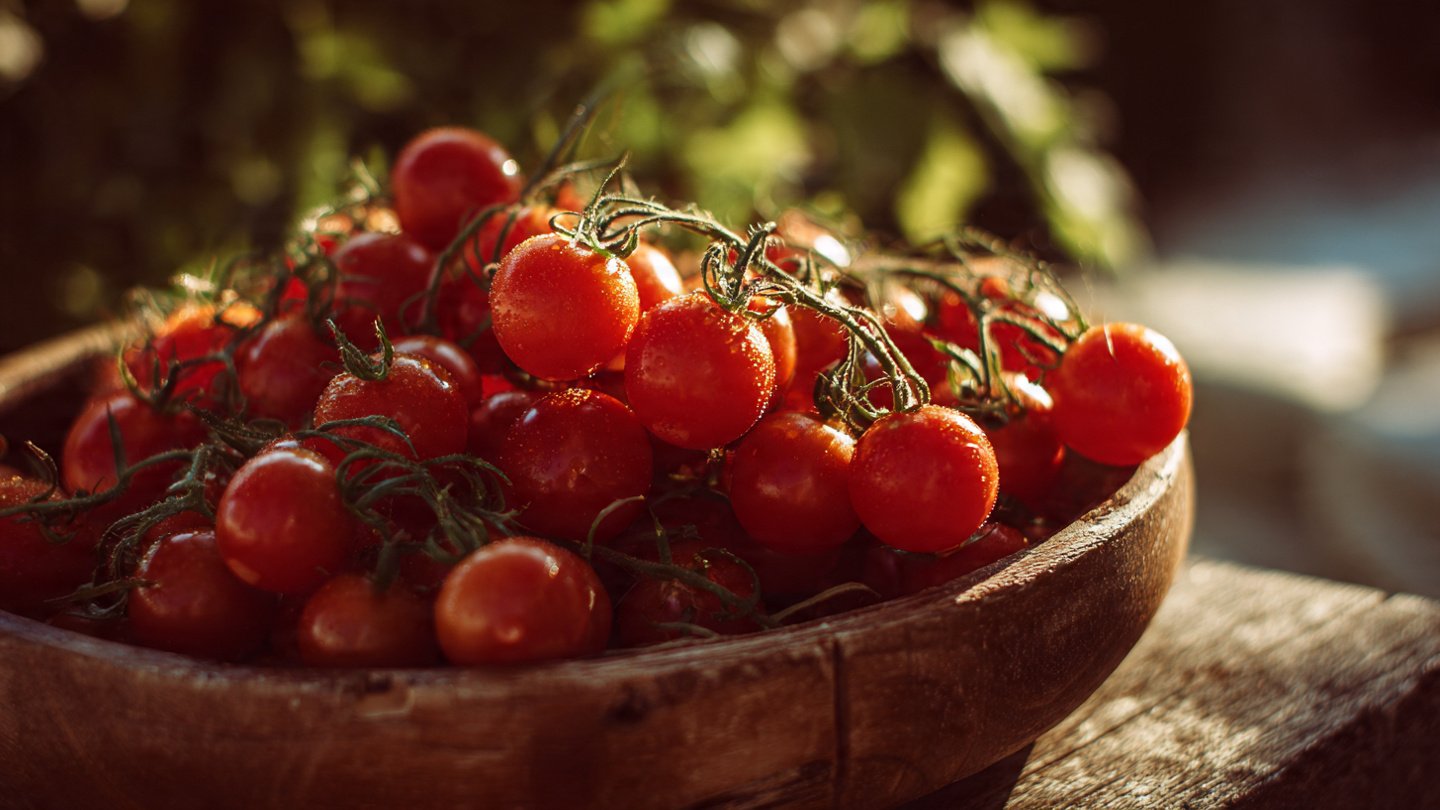
Few things compare to the taste of fresh, homegrown tomatoes, especially when they are turned into a rich, vibrant pasta sauce. Growing your own tomatoes allows you to control the quality, flavor, and ripeness of the fruit, resulting in sauces that far surpass store-bought alternatives. Whether you have a backyard garden, a balcony, or even just containers, it’s possible to cultivate tomatoes that are perfect for pasta sauce. This guide will walk you through the steps to grow your own tomatoes successfully, from selecting the right varieties to harvesting and making sauce.
Choosing the Right Tomato Varieties
Not all tomatoes are ideal for pasta sauce. Certain varieties produce more flesh, fewer seeds, and richer flavors:
- Roma Tomatoes: Also known as plum tomatoes, they have thick walls and fewer seeds, making them ideal for sauces.
- San Marzano: Famous for Italian sauces, they are sweet, meaty, and perfect for canning or fresh sauce.
- Amish Paste: Large, juicy, and flavorful, excellent for hearty sauces.
- Viva Italia or Opalka: Other paste tomato varieties that are disease-resistant and high-yielding.
Choosing the right variety ensures that your tomatoes will have the rich flavor and texture ideal for cooking into pasta sauce.
Starting from Seeds or Seedlings
You can start tomatoes from seeds indoors or buy young seedlings from a nursery.
From Seeds:
- Start seeds 6–8 weeks before the last frost date.
- Sow seeds in seed-starting trays with a light, well-draining mix.
- Keep the soil moist and provide 12–16 hours of light daily with sunlight or grow lights.
- Transplant seedlings into larger pots once they have two to three sets of true leaves.
From Seedlings:
- Choose sturdy plants with healthy green leaves and no signs of disease.
- Acclimate seedlings to outdoor conditions for a few days before transplanting (hardening off).
Preparing the Soil
Tomatoes thrive in well-draining, fertile soil with plenty of organic matter:
- Mix garden soil with compost or well-rotted manure to enrich nutrients.
- Ensure the soil pH is slightly acidic to neutral (6.0–7.0).
- Avoid compacted soil; loosening the soil helps roots grow deeply.
Raised beds or containers with drainage holes also work well, especially for small spaces.
Planting Tomatoes for Maximum Yield
Proper planting is crucial for healthy growth and abundant fruit:
- Spacing: Plant tomatoes 18–24 inches apart for determinate varieties and 24–36 inches for indeterminate types. Adequate spacing improves airflow and reduces disease risk.
- Deep Planting: Bury seedlings up to their first set of true leaves. Tomatoes can grow roots along buried stems, leading to stronger, healthier plants.
- Support: Use stakes, cages, or trellises to keep plants upright and prevent fruit from touching the soil.
Sunlight and Temperature Requirements
Tomatoes need at least 6–8 hours of direct sunlight daily. More sunlight results in sweeter, richer-flavored fruit.
- Ideal Temperature: 20–25°C (68–77°F) during the day and 15–20°C (59–68°F) at night.
- Protect young plants from cold snaps using row covers or frost cloth if temperatures dip below 10°C (50°F).
Watering and Mulching
Proper watering supports strong growth and prevents cracking or blossom-end rot:
- Water deeply once or twice a week, depending on rainfall and soil type.
- Avoid overhead watering; direct water at the base of the plant to reduce disease risk.
- Apply mulch (straw, leaves, or compost) to retain soil moisture, regulate temperature, and prevent weeds.
Fertilizing for Rich, Flavorful Fruit
Nutrient-rich soil produces more flavorful tomatoes:
- Start with a balanced fertilizer (10:10:10) at planting.
- Switch to a phosphorus- and potassium-rich fertilizer once flowers appear to support fruit development.
- Avoid excessive nitrogen, which encourages leafy growth but reduces fruit production and flavor.
- Foliar feeding with diluted nutrient solutions can boost fruit quality.
Pruning and Care
Pruning promotes better airflow, reduces disease, and directs energy toward fruit development:
- Remove suckers that grow in the crotch between the main stem and branches.
- Prune lower leaves that touch the soil to prevent fungal infections.
- Pinch back overly tall stems for determinate varieties to focus on fruit production.
Regular observation helps catch pests and diseases early, keeping your plants healthy.
Harvesting Tomatoes for Pasta Sauce
Timing the harvest is key to a flavorful sauce:
- Pick tomatoes when they are fully colored and slightly soft to the touch.
- For a richer sauce, allow fruit to ripen fully on the vine.
- Harvesting in the morning ensures the freshest, juiciest tomatoes.
Preparing Homemade Tomato Sauce
Once harvested, fresh tomatoes can be turned into delicious pasta sauce:
- Blanching: Boil tomatoes for 30–60 seconds, then transfer to ice water. Peel off the skins easily.
- Seeding: Remove seeds if desired for a smoother sauce.
- Cooking: Chop tomatoes and simmer with olive oil, garlic, onions, salt, and herbs like basil or oregano.
- Blending: Use an immersion blender for a smooth consistency or leave slightly chunky for rustic sauce.
- Preserving: Store sauce in sterilized jars, freeze, or can for long-term use.
Homemade sauce has a rich flavor profile that commercial products rarely match, making your pasta dishes truly stand out.
Tips for Maximizing Flavor and Yield
- Sunlight: More sunlight produces sweeter, more flavorful tomatoes.
- Watering: Consistent moisture prevents splitting and enhances taste.
- Variety: Use paste or sauce varieties for thicker, richer sauces.
- Companion Planting: Basil, marigold, and garlic nearby can improve flavor and deter pests.
- Continuous Harvesting: Regular picking encourages more flowers and fruit throughout the season.
Benefits of Growing Your Own Tomatoes
- Superior Taste: Freshly harvested tomatoes have unmatched flavor and aroma.
- Nutritional Value: Rich in vitamins A and C, antioxidants like lycopene, and minerals.
- Sustainability: Reduces dependence on store-bought produce and packaging.
- Cost-Effective: Homegrown tomatoes can save money while providing more fruit per season.
- Gardening Satisfaction: Watching your plants thrive and transform into delicious meals is deeply rewarding.
Conclusion
Growing your own tomatoes for fresh pasta sauce is not only possible—it’s highly rewarding. By selecting the right varieties, preparing nutrient-rich soil, providing proper sunlight, water, and care, you can cultivate flavorful, juicy tomatoes that transform your homemade sauces. From planting seeds to simmering sauce on the stove, every step adds to the experience and satisfaction of homegrown produce.
With consistent care, pruning, and harvesting, you can enjoy a bountiful supply of tomatoes throughout the season. The result is a rich, vibrant pasta sauce that elevates your meals, brings family and friends together, and adds a touch of personal satisfaction that store-bought sauces can never replicate. Growing tomatoes for pasta sauce is not just gardening—it’s creating culinary magic from your backyard.