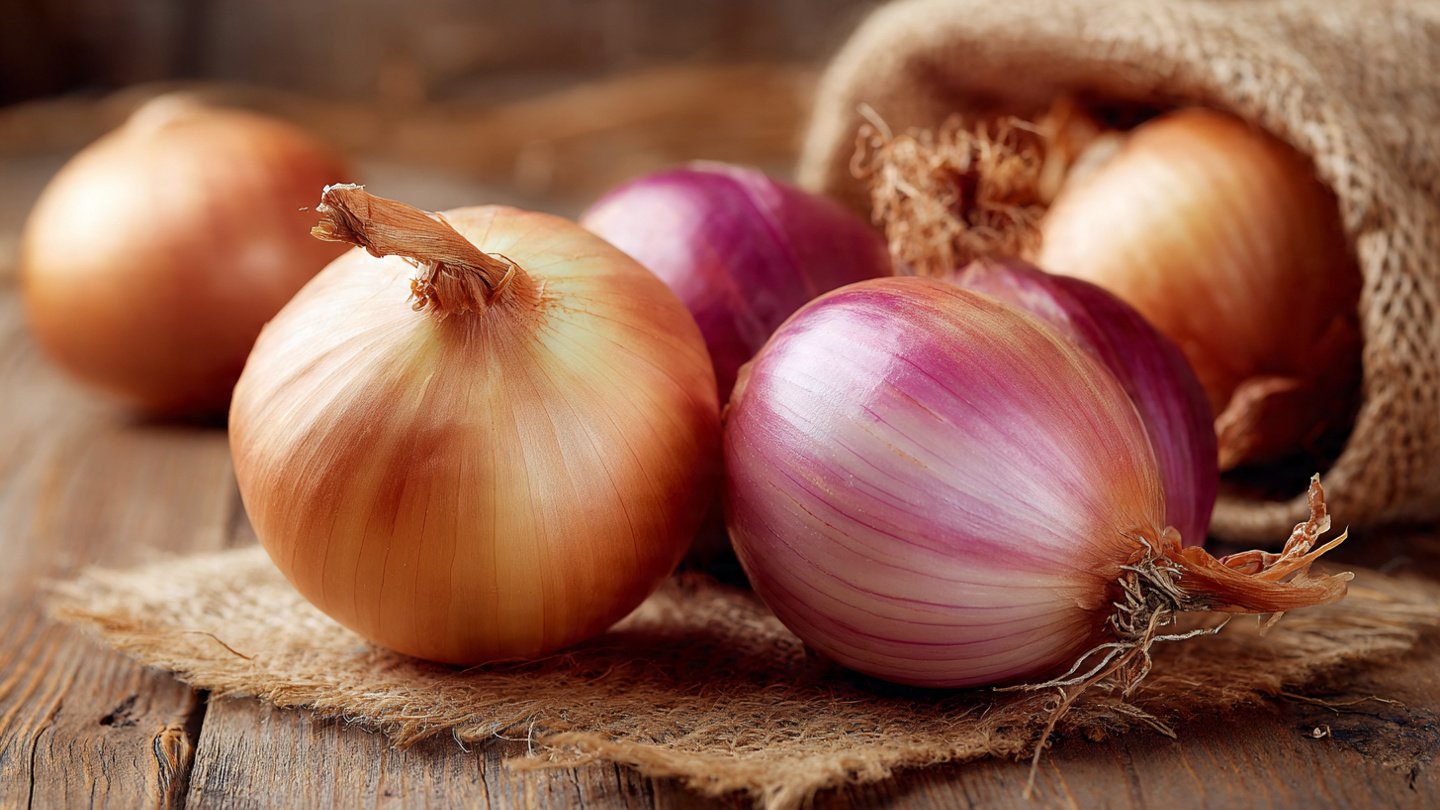
Few ingredients elevate a burger like the perfect onion. Whether you prefer sweet, crunchy slices or caramelized rings, fresh, homegrown onions can transform an ordinary burger into a culinary delight. Growing your own onions is easier than many think, and with the right guidance, you can enjoy onions that are fresher, more flavorful, and free from the preservatives and chemicals often found in store-bought varieties. In this guide, we’ll explore how to grow your own onions for the perfect burger, covering everything from seed selection to harvesting and storage.
Why Grow Your Own Onions?
Homegrown onions are superior in flavor and texture compared to their store-bought counterparts. When grown yourself, you can choose varieties that suit your taste, whether that’s a mild, sweet onion for fresh slices or a pungent red onion for a bold flavor. Additionally, growing your own onions ensures they are organic, chemical-free, and harvested at peak freshness, which is particularly important if you want that perfect bite for your homemade burger.
Growing onions at home also has practical benefits: they are relatively low-maintenance, thrive in many climates, and can be grown in both garden beds and containers. With a bit of planning, you can enjoy a continuous supply of onions for months.
Choosing the Right Onion Variety
The first step to the perfect burger onion is selecting the right variety. Onions are categorized into three main types:
- Short-Day Onions: These onions require 10–12 hours of daylight and are best suited for southern climates. Varieties like ‘Granex’ produce sweet, mild onions ideal for raw slices on burgers.
- Long-Day Onions: These need 14–16 hours of daylight and grow best in northern regions. Varieties like ‘Walla Walla’ are sweet but more robust, perfect for grilling or caramelizing.
- Day-Neutral Onions: These are adaptable and can grow almost anywhere, making them suitable for container gardening. ‘Candy’ and ‘Red Baron’ are popular options for both raw and cooked use.
Consider whether you want yellow onions for classic flavor, red onions for a sharper bite, or white onions for a crisp, clean taste. Sweet onions like Vidalia or Maui are particularly popular on burgers because they add flavor without overpowering other ingredients.
Starting from Seeds, Sets, or Transplants
Onions can be grown from seeds, sets, or transplants, and each method has its advantages:
- Seeds: Growing from seed allows the widest selection of varieties but takes longer—about 3–4 months before harvesting. Start seeds indoors 8–10 weeks before the last frost date.
- Sets: Onion sets are small, immature bulbs sold in stores or online. They are easy to plant and mature faster than seeds, making them a popular choice for first-time growers.
- Transplants: Young onion plants started from seed by a nursery can be planted directly in the garden. This method saves time compared to starting from seeds but offers slightly less variety.
For burger onions, many gardeners prefer sets or transplants, as they produce a reliable crop in a shorter period, ensuring you have fresh onions when you need them.
Preparing the Soil and Site
Onions thrive in fertile, well-draining soil with a slightly acidic to neutral pH (6.0–7.0). Follow these steps to prepare your planting site:
- Choose a sunny location that receives at least 6–8 hours of sunlight daily. Onions need sunlight to develop full flavor and firm bulbs.
- Loosen the soil to a depth of 12 inches to allow proper root development. Onions have shallow roots, but loose soil encourages bulb growth.
- Incorporate compost or well-rotted manure to improve soil fertility and texture. Organic matter enhances drainage while supplying essential nutrients.
- Avoid heavy clay or waterlogged areas, which can lead to bulb rot.
If growing in containers, use a deep container (at least 12 inches) with drainage holes and a high-quality potting mix. Container-grown onions benefit from frequent monitoring of water and nutrients, ensuring consistent growth.
Planting Onions
Planting techniques depend on whether you are using seeds, sets, or transplants:
- Seeds: Sow seeds about ¼ inch deep in rows or containers. Keep soil consistently moist until germination, which usually takes 7–14 days. Thin seedlings to 2–4 inches apart once they develop 3–4 leaves.
- Sets: Plant sets 1–2 inches deep, pointy end up, and space 4–6 inches apart. Firm soil around the bulbs to ensure stability.
- Transplants: Space transplants 4–6 inches apart, planting them at the same depth they were growing in their pots.
Proper spacing is critical for bulb development. Crowded plants will produce smaller onions, which may be fine for pickling but not ideal for burger slices.
Watering and Feeding
Onions require consistent moisture but are sensitive to overwatering:
- Watering: Keep the soil evenly moist but not soggy. Onions need about 1 inch of water per week, either from rainfall or supplemental irrigation. Mulching with straw or shredded leaves helps retain soil moisture and suppress weeds.
- Fertilization: Onions are heavy feeders. Apply a balanced fertilizer or a high-nitrogen fertilizer every 2–3 weeks until bulbs begin to swell. Once bulb formation starts, reduce nitrogen and switch to a phosphorus- and potassium-rich fertilizer to promote bulb growth rather than leafy growth.
Regular monitoring of soil moisture and nutrient levels ensures onions develop strong, flavorful bulbs perfect for burgers.
Supporting Healthy Bulb Development
Several factors influence the quality of onion bulbs:
- Sunlight: Full sun ensures larger, sweeter bulbs. Insufficient sunlight leads to small, pungent onions.
- Thinning: Remove weaker plants to give remaining onions room to expand. Thin seedlings or sets to maintain 4–6 inches of spacing between plants.
- Mulching: Helps regulate soil temperature, retain moisture, and prevent weeds from competing with young onions.
Harvesting Onions
Knowing when and how to harvest is key to enjoying the perfect burger onion:
- Timing: Onions are ready to harvest when tops begin to yellow and fall over. Depending on the variety, this may be 90–120 days from planting.
- Technique: Loosen the soil around the bulbs with a fork and carefully lift them out. Avoid pulling by hand, as this can damage the bulb.
- Curing: Lay onions in a dry, airy place for 2–3 weeks to cure. This process hardens the outer skin, extending storage life and enhancing flavor.
For burgers, onions harvested slightly early can be sweeter and crisper, ideal for fresh slices or caramelization.
Storing Onions
Proper storage ensures your onions remain fresh until burger night:
- Long-term Storage: Store cured onions in a cool, dark, dry place with good ventilation. Mesh bags or open crates work best. Avoid plastic bags, which trap moisture and encourage rot.
- Short-term Use: Keep freshly harvested onions on the counter or in the refrigerator for immediate use. Sweet onions, in particular, are best used within a few weeks of harvesting for maximum flavor.
Tips for the Perfect Burger Onion
Not all onions are created equal when it comes to burgers. Here are tips to ensure yours shine:
- Sweet vs. Pungent: Choose a mild, sweet variety for raw burger slices. Red onions add a sharper bite, while yellow onions are versatile for both raw and cooked applications.
- Uniform Slices: Cut onions into even rings for consistent flavor and appearance on burgers.
- Caramelization: For cooked burgers, caramelize onions slowly in butter or oil to bring out natural sugars and enhance taste.
Bonus: Companion Planting for Healthier Onions
Onions benefit from growing near certain plants that improve growth and deter pests:
- Carrots, Lettuce, and Beets: These vegetables grow well alongside onions without competing for nutrients.
- Herbs like Chamomile or Dill: May enhance onion flavor and repel pests.
- Avoid Beans and Peas: They can stunt onion growth if planted too closely.
Conclusion
Growing your own onions for the perfect burger is a rewarding and surprisingly simple endeavor. With careful selection of varieties, proper soil preparation, consistent watering, and mindful harvesting, you can enjoy fresh, flavorful onions that elevate every bite. Whether you’re slicing them raw for crisp crunch or caramelizing them for a sweet, savory layer, homegrown onions bring unmatched quality and satisfaction to your culinary creations.
By nurturing your onions from seed, set, or transplant, providing optimal growing conditions, and protecting them from common problems like overwatering or crowding, you ensure a continuous supply of burger-ready bulbs. There’s nothing quite like the flavor of a burger topped with onions you grew yourself—a small but delicious reward for your gardening efforts.