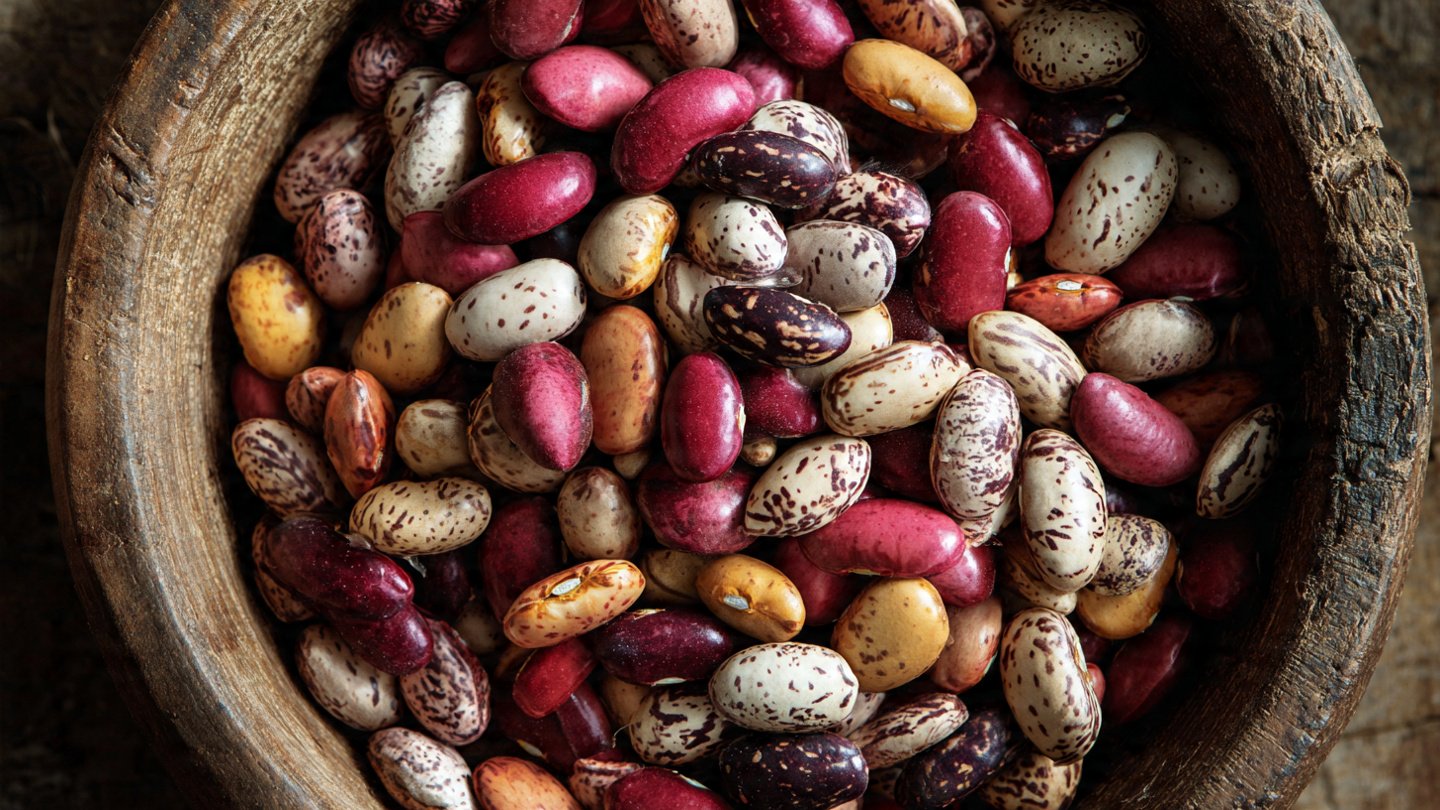
There’s something undeniably satisfying about harvesting fresh ingredients from your own garden, especially when it comes to preparing a homemade meal like tacos. Beans are a staple in many cuisines, particularly Mexican cuisine, and growing your own provides not only superior flavor but also the joy of knowing exactly what went into your food. Whether you prefer black beans, pinto beans, or kidney beans, cultivating them in your backyard or even in containers can make your taco nights fresher, healthier, and more rewarding.
Why Grow Your Own Beans?
Growing your own beans has several advantages:
- Freshness and Flavor: Freshly harvested beans taste sweeter, earthier, and more vibrant than store-bought canned or dried options.
- Cost Savings: Seeds are inexpensive, and a few plants can produce enough beans to enjoy multiple meals.
- Control Over Quality: You choose the soil, water, and organic treatments, ensuring your beans are free from unwanted chemicals or preservatives.
- Sustainability: Growing your own reduces packaging waste and your carbon footprint by avoiding store-bought imports.
Choosing the Right Bean Variety
Not all beans are created equal, and the variety you choose depends on your climate, space, and culinary goals. Some popular options for taco fillings include:
- Black Beans: Small, tender, and earthy-flavored beans that pair perfectly with Mexican spices.
- Pinto Beans: Creamy beans that are excellent for refried beans or as taco fillings.
- Kidney Beans: Larger beans that hold up well in stews and bean salads.
- Bush Beans: Compact plants suitable for small gardens or container gardening.
- Pole Beans: Climbing varieties that produce higher yields over a longer period.
Preparing Your Garden or Container
Beans are relatively easy to grow but thrive best under specific conditions:
- Soil Preparation: Beans prefer well-draining soil rich in organic matter. Mix in compost or aged manure to improve fertility. Avoid high nitrogen fertilizers, as excessive nitrogen encourages leafy growth instead of beans.
- Sunlight Requirements: Beans need full sun, ideally 6–8 hours per day. More sunlight equals healthier plants and higher yields.
- Space Considerations: Bush beans need about 3–4 inches between plants, while pole beans require stakes or trellises for climbing. Ensure proper spacing for airflow and root development.
Planting Your Beans
- Timing: Beans are warm-weather crops, so plant them after the last frost when the soil temperature is at least 60°F (15°C).
- Seed Planting: Sow seeds 1–2 inches deep and cover with soil. Water gently to avoid washing away seeds.
- Row Spacing: For bush beans, plant rows 18–24 inches apart; for pole beans, spacing can be tighter as they grow vertically.
- Support for Pole Beans: Install trellises, poles, or a teepee structure to allow vines to climb. This encourages better air circulation and higher yields.
Caring for Your Bean Plants
- Watering: Beans require consistent moisture, especially during flowering and pod development. Water deeply once or twice a week, depending on rainfall, to encourage deep root growth. Avoid waterlogging, which can lead to root rot.
- Fertilization: Beans are legumes, meaning they fix nitrogen in the soil naturally. Minimal fertilization is needed; a light compost or balanced organic fertilizer can support healthy growth.
- Pest and Disease Management: Common pests include aphids, bean beetles, and spider mites. Natural remedies include neem oil, insecticidal soap, or introducing beneficial insects like ladybugs. Rotate crops annually to reduce disease risk such as root rot or rust.
- Pruning and Maintenance: Remove dead or yellowing leaves to encourage air circulation and prevent disease. For pole beans, regularly guide vines onto trellises to support healthy growth.
Harvesting Your Beans
Knowing when and how to harvest beans ensures peak flavor and texture:
- Fresh Green Beans: Harvest when pods are firm, crisp, and before seeds bulge. Typically, this is 50–60 days after planting, depending on variety.
- Dry Beans: Leave pods on the plant until they are fully dry and brittle. Then shell the beans and store them in a cool, dry place for later use.
- Continuous Harvesting: Regular picking of beans encourages the plant to produce more pods. For bush beans, harvesting every few days maximizes yield.
Preparing Beans for Taco Night
Freshly harvested beans can transform your taco night:
- Cooking Fresh Beans: Rinse and boil beans until tender. Add aromatics like onion, garlic, cumin, and chili for authentic taco flavors.
- Refried Beans: Mash cooked beans with a little olive oil or butter and season with salt, cumin, and smoked paprika for a creamy filling.
- Bean Salads: Combine cooked beans with diced tomatoes, corn, cilantro, and lime juice for a fresh topping for tacos.
- Storage Tips: Freshly cooked beans can be refrigerated for up to 5 days or frozen for several months.
Tips for a Successful Bean Garden
- Rotate bean varieties each season to maintain soil health and prevent disease buildup.
- Companion plant with corn, squash, or peppers to create a “Three Sisters” garden, which supports natural pest control and healthy growth.
- Use mulch to retain soil moisture and suppress weeds.
- Keep a gardening journal to track planting dates, growth progress, and harvest times to optimize yields in future seasons.
The Joy of Homegrown Tacos
There’s something uniquely rewarding about using ingredients you grew yourself. Beans, with their earthy flavor and hearty texture, elevate tacos to a new level of freshness. From planting seeds to harvesting and cooking, growing your own beans adds a satisfying layer of connection to your meals.
By growing your own beans, you not only improve the quality of your tacos but also create a sustainable, enjoyable, and educational gardening experience. Whether you’re a seasoned gardener or a beginner, beans are a forgiving and fruitful crop that rewards attention and care.
Conclusion
Growing your own beans for taco night is a simple yet rewarding endeavor. By choosing the right varieties, preparing your soil, caring for your plants, and harvesting at the right time, you can enjoy fresh, flavorful beans straight from your garden. Not only does this elevate your tacos, but it also fosters a deeper connection to your food and garden. With a little planning and consistent care, you can make every taco night a celebration of homegrown goodness.