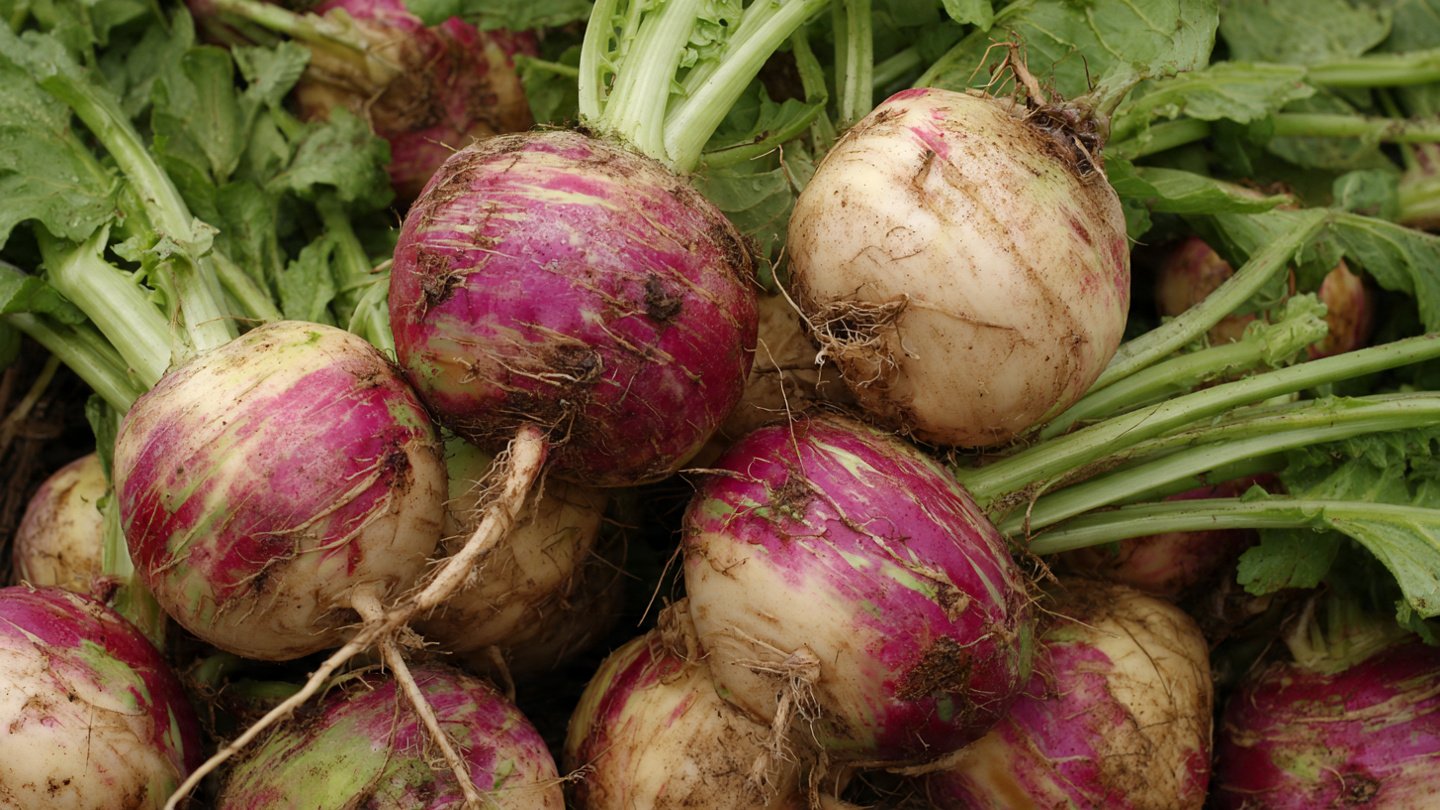
Rutabagas, also known as swedes or yellow turnips, are a root vegetable prized for their sweet, earthy flavor and rich nutritional profile. Packed with fiber, vitamin C, potassium, and antioxidants, rutabagas are versatile in soups, stews, roasted dishes, and even raw salads. Growing them naturally in your garden ensures chemical-free produce while giving you control over soil quality, watering, and harvesting.
While rutabagas are hardy and adaptable, achieving perfectly shaped, flavorful roots requires understanding soil conditions, planting techniques, and natural cultivation practices. This guide explores the best strategies for growing rutabagas naturally, from soil preparation to harvest.
Why Grow Rutabagas Naturally?
Growing rutabagas without synthetic fertilizers or pesticides provides several benefits:
- Healthier Produce – Chemical-free roots are safer and more nutritious.
- Better Flavor – Naturally grown rutabagas develop a sweeter, richer taste.
- Soil Health – Organic methods improve soil fertility and structure over time.
- Environmental Benefits – Reduced chemical runoff protects pollinators, wildlife, and waterways.
- Cost-Effective – Using natural amendments like compost, mulch, and crop rotation reduces input costs.
By following natural growing techniques, gardeners can produce abundant, high-quality rutabagas while supporting a sustainable garden ecosystem.
Choosing the Right Variety
Several rutabaga varieties exist, each with unique characteristics. Popular options for home gardens include:
- Laurentian – Sweet flavor, round shape, and smooth skin.
- American Purple Top – Classic variety with purplish tops and yellow flesh.
- Helenor – Long-storage variety suitable for winter harvest.
- Rouge d’Hiver – Excellent winter storage and consistent flavor.
Choosing the right variety depends on your climate, space, and desired harvest time. Winter-hardy varieties are ideal for fall or early winter harvesting.
Preparing the Soil Naturally
Rutabagas thrive in loose, fertile, well-drained soil with a slightly acidic to neutral pH (6.0–7.0). Proper soil preparation is critical for producing large, smooth roots.
Steps for Natural Soil Preparation:
- Clear the Bed – Remove weeds, stones, and debris to prevent root deformation.
- Add Organic Matter – Mix compost, well-rotted manure, or leaf mold into the soil. This improves drainage, nutrient content, and soil structure.
- Avoid Fresh Manure – Fresh manure can burn young roots and encourage forking.
- Loosen Soil Deeply – Rutabagas grow long roots, so loosen soil at least 12 inches deep. A fork or broadfork works well without disturbing the soil layers too much.
- pH Adjustment – If soil is too acidic, add lime; if alkaline, incorporate organic matter to balance pH naturally.
Planting Rutabagas Naturally
Timing
- Rutabagas prefer cool weather.
- Spring Planting – Sow seeds 2–3 weeks before the last frost.
- Fall Planting – For winter harvest, plant 8–10 weeks before first frost.
Seed Sowing
- Direct Sowing – Rutabagas grow best when seeds are sown directly into the garden bed.
- Spacing – Plant seeds ½ inch deep, spaced 3–4 inches apart in rows 12–18 inches apart.
- Thinning – Once seedlings are 2–3 inches tall, thin to 6–8 inches apart to prevent overcrowding.
- Companion Plants – Rutabagas grow well near peas, beans, and onions, which can deter pests and enhance soil nitrogen.
Natural Care and Maintenance
Watering
- Maintain consistent moisture, especially during root development.
- Avoid waterlogging, which can cause rot.
- Mulch with straw, leaves, or grass clippings to retain soil moisture naturally.
Fertilization
- Use compost tea, fish emulsion, or seaweed extract as natural fertilizers.
- Avoid synthetic nitrogen-heavy fertilizers, which can promote leafy growth over root development.
Pest and Disease Management
- Flea Beetles – Use row covers or companion planting to reduce infestations.
- Cabbage Root Maggots – Rotate crops each year and add neem or garlic sprays to deter pests.
- Fungal Diseases – Proper spacing, crop rotation, and mulching reduce the risk of rot and mildew.
Harvesting Perfect Rutabagas
Timing is crucial for flavor and texture:
- Maturity – Most varieties are ready 90–120 days after planting.
- Size Check – Roots typically reach 3–5 inches in diameter. Overgrown rutabagas can become woody.
- Frost Sweetening – Rutabagas improve in sweetness after a light frost, making fall harvest ideal.
- Gentle Harvesting – Loosen soil around roots with a fork before pulling to prevent damage.
Proper harvesting ensures smooth, dense, flavorful roots ready for storage or immediate use.
Storage Tips
- Curing – Allow rutabagas to dry in a cool, shaded area for 1–2 days.
- Cold Storage – Store in a root cellar or refrigerator at 32–35°F with high humidity.
- Longevity – Naturally grown rutabagas can last 3–5 months when stored properly.
This makes them perfect for winter cooking and preserves the nutritional value of your harvest.
Natural Tips for Bigger and Sweeter Roots
- Deep Soil – Avoid rocky or compacted soil to prevent forking.
- Consistent Watering – Uneven moisture can split roots or reduce sweetness.
- Mulch Thickly – Retains moisture and keeps soil temperature stable.
- Rotate Crops – Prevents nutrient depletion and reduces disease risk.
- Harvest After Frost – Improves sugar content and flavor.
By following these natural practices, your rutabagas will thrive and deliver exceptional taste and texture.
Final Thoughts
Growing perfect rutabagas naturally requires patience, preparation, and careful attention to soil, planting, and care. By using organic soil amendments, natural pest management, proper watering, and strategic harvesting, you can produce large, flavorful rutabagas free of synthetic chemicals.
Whether for hearty winter stews, roasted vegetable platters, or fresh salads, homegrown rutabagas offer unmatched freshness, nutritional benefits, and flavor. With the right techniques, your garden can yield vibrant, healthy, and perfectly shaped rutabagas season after season, making them a truly rewarding addition to any backyard or small-space garden.