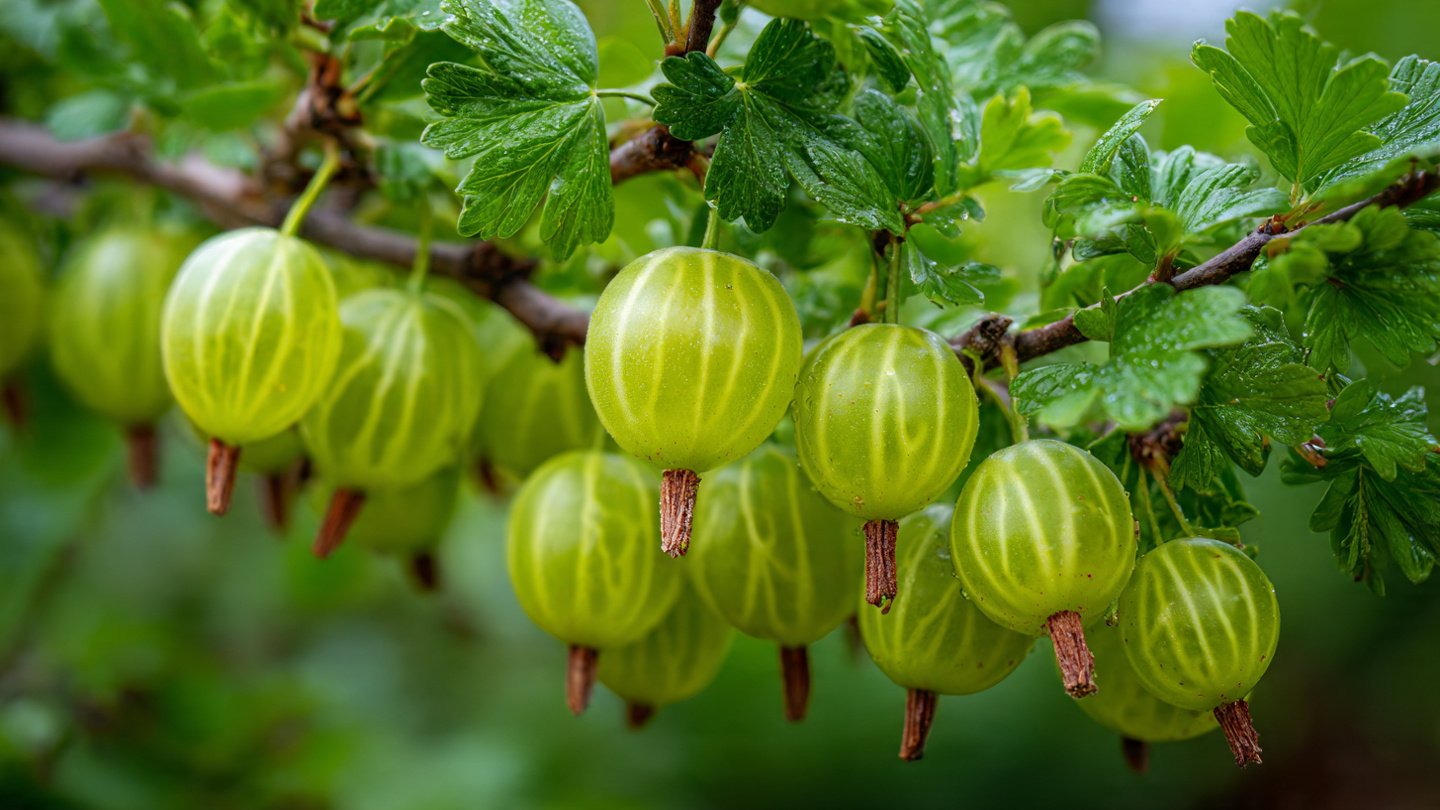
Gooseberries are a gardener’s delight: small, tart, and packed with flavor, they can be eaten fresh, baked into pies, or turned into jams and preserves. Despite their modest size, these resilient bushes can produce an impressive harvest — but many home gardeners struggle to get more than a handful of berries per season. The secret to a massive gooseberry crop isn’t complicated. With just one simple trick and consistent care, you can transform your small bushes into fruit-laden powerhouses.
In this guide, we’ll explain the trick, outline step-by-step care instructions, and share tips to maximize your gooseberry yield.
Why Gooseberries Deserve Your Attention
Before diving into cultivation, it’s worth understanding why gooseberries are a great choice for your garden:
- Highly nutritious: Rich in vitamin C, fiber, and antioxidants.
- Cold-hardy: Can survive harsh winters in most temperate regions.
- Versatile in the kitchen: Perfect for desserts, sauces, and preserves.
- Compact growth: Ideal for small gardens or even large containers.
Yet, like many fruiting plants, their potential is only realized when the right techniques are applied.
The One Simple Trick: Regular Pruning
The single most effective way to dramatically increase your gooseberry yield is regular, strategic pruning. While soil quality, sunlight, and watering are all important, pruning directly influences fruit production. Without it, gooseberry bushes can become dense, overgrown, and less productive.
Why Pruning Works
- Encourages new growth: Gooseberries fruit best on young, healthy wood. Pruning stimulates fresh shoots.
- Improves air circulation: Reduces disease risk, especially fungal infections like powdery mildew.
- Increases sunlight exposure: Properly spaced branches allow sunlight to reach every bud, boosting flowering and fruiting.
Even a small bush, pruned correctly, can produce far more berries than a sprawling, neglected one.
Step 1: Choosing the Right Bush
Start with a healthy gooseberry variety suited to your climate. Popular varieties include:
- Hinnonmaki Red: Sweet, tart, and prolific.
- Invicta: Large, juicy green berries ideal for jams.
- Captivator: Disease-resistant and compact.
Look for vigorously growing bushes with flexible branches; these respond best to pruning and training.
Step 2: Planting Essentials
Plant your gooseberries in:
- Well-draining soil: Loamy soil enriched with organic matter works best.
- Sunny location: At least 6 hours of sunlight per day promotes maximum flowering.
- Spaced adequately: Leave 4–5 feet between bushes to prevent overcrowding and improve airflow.
Avoid heavy clay or waterlogged soil, as gooseberries dislike “wet feet” and may develop root rot.
Step 3: Timing Your Pruning
Pruning is best done during late winter or early spring before buds break. The timing ensures:
- Reduced stress on the plant.
- Easier identification of old, weak, or diseased branches.
- Maximum energy directed toward new fruiting shoots.
Some gardeners also perform light summer pruning to maintain shape and remove damaged branches.
Step 4: Pruning Techniques
To apply the pruning trick effectively:
- Remove old wood: Identify branches older than 3–4 years and cut them at the base.
- Thin crowded shoots: Cut back branches that cross or overcrowd the center of the bush.
- Shorten long shoots: Trim vigorous growth by a third to encourage lateral branching.
- Maintain a goblet shape: Aim for an open center to allow sunlight and air into the bush.
The goal is to balance removing old, unproductive wood while keeping enough healthy shoots for fruiting.
Step 5: Fertilization for Maximum Yield
After pruning, your gooseberries will benefit from nutrient-rich soil:
- Organic compost or well-rotted manure: Apply a 2–3 inch layer around the base.
- Balanced fertilizer: A 10-10-10 NPK fertilizer in early spring supports leaf and fruit development.
- Potassium boost before flowering: Encourages stronger flowering and fruit set.
Healthy, nourished bushes respond better to pruning, producing more and larger berries.
Step 6: Watering and Mulching
- Consistent moisture: Water deeply once or twice per week, depending on rainfall.
- Mulch: Apply straw, wood chips, or compost to retain moisture, suppress weeds, and protect roots.
- Avoid waterlogging: Gooseberries prefer moist but not soggy soil.
Proper watering combined with pruning ensures that energy flows to fruit production rather than stress recovery.
Step 7: Pest and Disease Management
Pruned and airy bushes are less prone to disease, but vigilance is still needed:
- Powdery mildew: Avoid overhead watering and prune densely packed branches.
- Aphids and sawfly larvae: Spray with insecticidal soap or neem oil early in the season.
- Bird protection: Netting can prevent birds from stealing ripening berries.
Regular inspection ensures healthy bushes and maximum fruit yield.
Step 8: Harvesting Your Gooseberries
With proper pruning, your gooseberry bush can yield a massive crop. Tips for harvesting:
- Pick when fully colored: Green varieties may be slightly soft; red varieties should be fully red.
- Handle gently: Gooseberries bruise easily.
- Frequent harvesting: Picking ripe berries encourages the bush to continue producing.
A well-pruned bush can produce 10–15 pounds of berries per season, sometimes even more.
Step 9: Beyond Pruning – Other Growth Boosters
While pruning is the key trick, other techniques complement it:
- Training young bushes: Tie new shoots to a support to encourage upward growth.
- Crop rotation and soil renewal: Avoid planting gooseberries in the same spot every year without refreshing the soil.
- Regular observation: Watch for stress signs, nutrient deficiencies, or pest activity.
Combining these practices with strategic pruning maximizes yield potential.
Why This “One Simple Trick” Works Wonders
Pruning is deceptively simple but powerful. It aligns with natural plant growth patterns:
- Redirects energy: The bush invests in new shoots and fruiting buds instead of maintaining old, unproductive wood.
- Encourages robust flowering: More sunlight and air circulation mean more flowers and, eventually, berries.
- Reduces disease: Healthy bushes are less prone to mildew or fungal infection, reducing fruit loss.
Even small backyard gardeners can achieve a harvest that seems almost magical by mastering pruning.
Final Thoughts
Growing gooseberries doesn’t have to be a struggle. By focusing on regular, strategic pruning, you unlock the plant’s full potential. Combine this with fertile soil, proper watering, and pest management, and you can enjoy a massive, delicious crop year after year.
Whether you’re aiming for fresh pies, homemade jams, or just the satisfaction of a fruitful garden, this simple trick transforms your gooseberry bushes from ordinary to extraordinary.