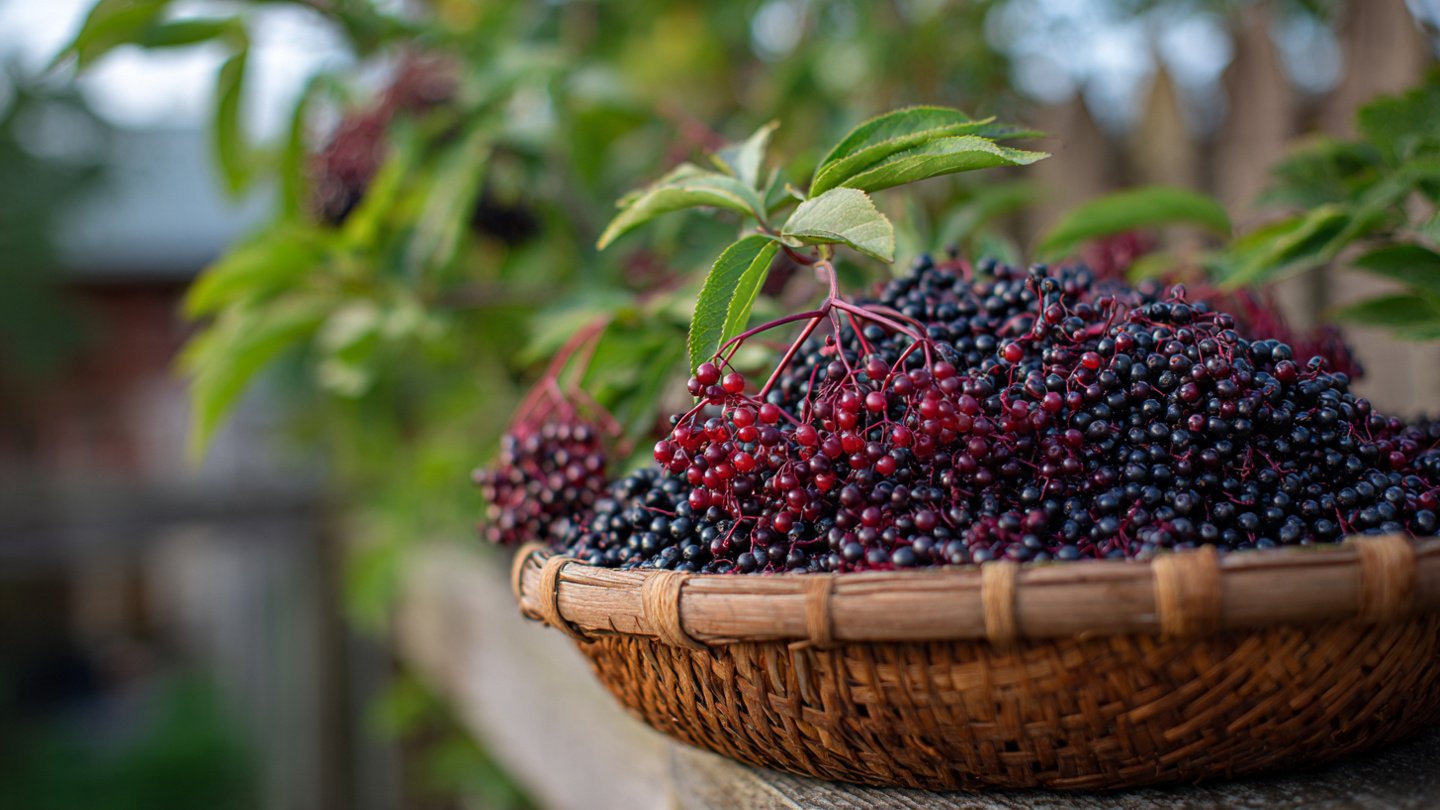
Elderberries are not only beautiful plants for your garden, but they also produce highly nutritious berries that can be used in jams, syrups, teas, and even natural remedies. However, achieving a massive elderberry harvest can sometimes feel elusive for gardeners, especially beginners. With the right techniques and a few strategic tweaks, you can significantly increase your yield and enjoy the fruits of your labor. This guide will share a simple yet powerful trick to maximize your elderberry harvest while ensuring healthy, vigorous plants.
Understanding Elderberries
Before diving into the trick that can boost your yield, it’s important to understand the basic needs of elderberries. Native to Europe, North America, and parts of Asia, elderberries are hardy shrubs that can thrive in a variety of soil conditions. They prefer:
- Well-drained soil: Elderberries do not like standing water, which can cause root rot.
- Full sun to partial shade: More sun usually means more fruit.
- Regular watering: While they tolerate short dry spells, consistent moisture encourages better growth and berry production.
Elderberries are also naturally fast-growing and can reach heights of 6–12 feet depending on the variety. They bloom with clusters of small white flowers, which eventually develop into deep purple, almost black berries.
The One Simple Trick: Strategic Pruning for Maximum Fruit
Many gardeners underestimate the power of pruning. The simple trick that can dramatically increase your elderberry yield is strategic pruning at the right time of year. Elderberries produce fruit on second-year wood, which means branches that grew the previous year. Understanding this is key to maximizing your harvest.
- Identify Old vs. New Wood:
- Old wood refers to branches that are more than one year old.
- New wood is the current year’s growth.
By focusing on encouraging strong new growth while maintaining enough healthy second-year wood, you can produce larger clusters of berries.
- Timing Your Pruning:
- The best time to prune elderberries is late winter or early spring, before new growth begins.
- Avoid heavy pruning in summer or fall, as this can remove next year’s potential fruiting wood.
- How to Prune:
- Remove weak, diseased, or crossing branches.
- Cut back older stems at the base to stimulate the growth of new shoots.
- Thin out crowded areas to improve airflow and sunlight penetration.
This approach not only encourages new growth but also ensures that your elderberry bush produces more fruiting wood for the next season.
Soil Preparation and Fertilization
Healthy soil is another cornerstone of a massive elderberry harvest. Elderberries thrive in slightly acidic to neutral soil (pH 5.5–6.5). Before planting or early in the growing season, enrich the soil with:
- Compost: Adds organic matter and improves soil structure.
- A balanced fertilizer: Look for one with equal parts nitrogen, phosphorus, and potassium. Nitrogen encourages leafy growth, phosphorus promotes strong roots, and potassium supports flowering and fruiting.
- Mulch: A 2–3 inch layer of mulch around the base of the plant helps retain moisture and suppress weeds.
By maintaining fertile soil and consistent watering, your elderberry shrubs will have the energy to grow large, healthy clusters of berries.
Watering and Mulching Techniques
Elderberries need consistent moisture, particularly during flowering and fruiting. Deep watering once or twice a week is better than frequent shallow watering. Mulching not only conserves water but also stabilizes soil temperature, creating an ideal environment for root development.
Organic mulches like shredded bark, straw, or composted leaves work best. Avoid piling mulch against the trunk, as this can encourage rot. Instead, keep a small gap around the base while covering the surrounding soil.
Pollination and Companion Planting
Elderberries are self-pollinating, but planting multiple shrubs close together can increase fruit set. Additionally, attracting pollinators like bees can further improve yields. Consider companion planting with flowers such as:
- Lavender – attracts bees and beneficial insects.
- Bee balm – a favorite of pollinators.
- Comfrey – helps enrich soil naturally and attracts insects.
By creating a pollinator-friendly environment, your elderberries will likely produce larger and more abundant clusters.
Pest and Disease Management
Healthy plants are productive plants. Keep an eye out for common elderberry pests such as aphids, Japanese beetles, and spider mites. Early detection and natural remedies, like neem oil or insecticidal soap, can prevent infestations from affecting your harvest.
Fungal diseases like powdery mildew or leaf spot can also impact berry production. Ensuring proper spacing, pruning for airflow, and avoiding overhead watering can minimize these risks.
Harvesting for Maximum Enjoyment
Harvest elderberries when they are fully ripe, typically deep purple to black in color. Unripe berries are toxic and should not be consumed. Carefully snip clusters with pruning shears to avoid damaging the plant.
For maximum harvest efficiency:
- Harvest in stages: Elderberries ripen over a few weeks, so multiple pickings may be necessary.
- Use a tarp or container: Lay a tarp under the bush to catch falling berries.
- Refrigerate immediately: Elderberries are perishable; refrigerate or process them soon after harvesting.
Additional Tips for Thriving Elderberry Bushes
- Regular Monitoring: Check your plants regularly for growth patterns, disease, or stress. Early intervention prevents yield loss.
- Rotation and Mulching: Rotate the location of mulch and compost each year to maintain soil health.
- Propagation: Consider propagating new shrubs from cuttings to expand your harvest over time.
By combining strategic pruning, proper soil management, consistent watering, and careful harvesting, you can significantly boost your elderberry yield. This simple trick—focused pruning at the right time—along with the other supportive techniques, ensures that your elderberry plants remain vigorous and productive year after year.
Elderberries are not only a garden delight but a nutritional powerhouse. With just a little attention to pruning, soil health, and pollination, you can transform your garden into a bountiful elderberry haven. Start implementing these strategies today, and enjoy the rewards of a massive, juicy harvest that will delight your family and friends for years to come.