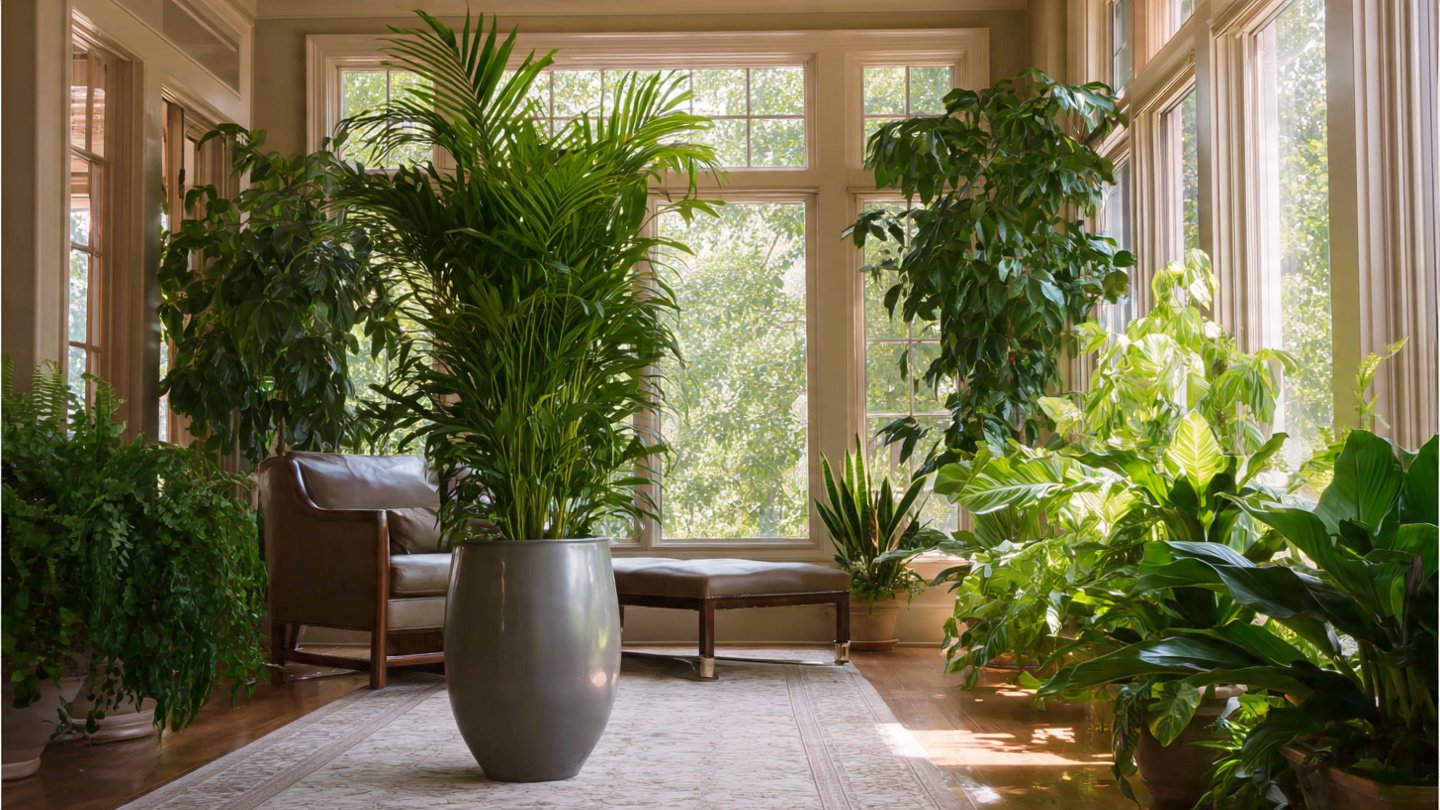
Large floor plants are a striking addition to any home or office, providing greenery, improving air quality, and creating a calming atmosphere. However, their impressive size comes with special care requirements—particularly when it comes to watering. Unlike smaller houseplants, large floor plants have extensive root systems and higher water demands, making it crucial to water them correctly to avoid both under- and overwatering. Whether you’re caring for a tall fiddle leaf fig, a thriving monstera, or a lush rubber plant, understanding the principles of proper watering ensures your indoor greenery thrives. This guide provides practical techniques, tips, and insights to keep your large floor plants healthy and vibrant.
Why Proper Watering Matters for Large Floor Plants
Watering is essential for plant survival, but incorrect watering can harm even the healthiest plants. For large floor plants, watering mistakes are common due to their size and root complexity.
Consequences of Improper Watering:
- Underwatering: Causes leaf drooping, browning edges, slowed growth, and root stress
- Overwatering: Leads to root rot, yellowing leaves, fungal growth, and plant decline
- Uneven watering: Smaller roots dry faster than deeper roots, leading to uneven nutrient absorption
Understanding these risks emphasizes why consistent, thoughtful watering practices are key for large indoor plants.
Understanding Your Plant’s Water Needs
Different large floor plants have varying water requirements depending on their species, environment, and potting conditions.
Factors to Consider:
- Plant species: Tropical plants like Monstera and Ficus prefer consistent moisture, while succulents like Agave or Euphorbia need less frequent watering
- Pot size and material: Larger pots retain more water, while porous materials like terracotta absorb moisture faster
- Soil type: Well-draining soil prevents waterlogging, while dense soil retains more moisture
- Environmental factors: Temperature, humidity, and light levels affect how quickly soil dries
Monitoring your plant and adjusting watering based on these factors ensures optimal hydration without stressing the plant.
Signs Your Large Floor Plant Needs Water
Recognizing signs of dehydration or overwatering helps prevent damage before it becomes serious.
Signs of Underwatering:
- Drooping or wilting leaves
- Dry, brittle leaf edges
- Soil pulling away from the pot edges
Signs of Overwatering:
- Yellowing leaves or leaf drop
- Mushy, soft stems
- Foul odor from the soil
- Mold or fungal growth on the soil surface
Learning to read these visual cues is essential for maintaining healthy large floor plants.
Choosing the Right Watering Method
Large floor plants often require more precise watering techniques to ensure even soil moisture and root health.
Common Watering Methods:
- Top Watering: Pour water evenly over the soil surface until it drains from the bottom
- Ensures water reaches all roots
- Avoids wetting leaves excessively
- Bottom Watering: Fill a tray with water and allow the plant to absorb moisture through drainage holes
- Ideal for plants sensitive to leaf wetness
- Ensures deep root hydration
- Soaker or Drip Techniques: Gradual watering using a drip system or slow pour
- Reduces runoff and over-saturation
- Encourages roots to grow deeper
For large pots, top watering is usually most practical, but combining techniques may improve hydration efficiency.
How to Water Large Floor Plants Effectively
Proper watering technique ensures roots receive the moisture they need without risk of overwatering.
Step-by-Step Guide:
- Check the soil moisture: Use your finger, a wooden skewer, or a moisture meter to assess soil depth
- Water slowly and evenly: Avoid dumping water in one spot to prevent waterlogging
- Ensure proper drainage: Always allow excess water to drain; never let the plant sit in stagnant water
- Adjust quantity based on season: Plants typically need more water in warm months and less during cooler, dormant periods
By following these steps, you ensure every root in your large floor plant receives adequate hydration.
Tips for Managing Water in Large Pots
Large pots can retain water differently than small containers. Proper management prevents common problems:
- Use well-draining soil: Add perlite, sand, or orchid bark to prevent compaction
- Check drainage holes: Ensure holes are clear and functional
- Avoid heavy mulch: While mulch can retain moisture, thick layers may slow drying too much
- Elevate pots slightly: Using pot feet or trays helps water drain freely and reduces root rot risk
These small adjustments make a big difference in maintaining healthy large plants.
Seasonal Adjustments to Watering
Water requirements change with seasons and indoor conditions:
Spring and Summer:
- Increased growth requires more frequent watering
- Monitor soil moisture every few days
Fall and Winter:
- Slower growth reduces water demand
- Water sparingly to avoid waterlogged roots
- Reduce fertilizer, as excess nutrients can encourage unnecessary growth
Understanding seasonal needs helps maintain optimal hydration year-round.
Monitoring Environmental Factors
Temperature, light, and humidity significantly influence watering requirements for large floor plants.
Key Considerations:
- High light and heat: Soil dries faster, increasing water needs
- Low humidity: Tropical plants may benefit from misting to maintain leaf turgor
- Indoor heating or air conditioning: Can accelerate soil drying and stress plants
Monitoring these factors allows you to fine-tune watering schedules to match plant needs.
Preventing Common Watering Mistakes
Even experienced plant owners can make mistakes with large floor plants.
Mistakes to Avoid:
- Using a one-size-fits-all schedule rather than monitoring soil
- Pouring water too quickly, leading to uneven saturation
- Neglecting drainage or leaving water trapped in saucers
- Over-reliance on visual cues without checking soil moisture
Avoiding these errors ensures your large plants remain healthy and thrive indoors.
Benefits of Proper Watering
Consistently well-watered large floor plants provide numerous benefits:
- Stronger growth: Healthy roots support taller stems and larger leaves
- Improved air quality: Larger, hydrated leaves are more efficient at filtering air
- Vibrant foliage: Proper hydration prevents browning and drooping
- Longer plant lifespan: Reduces stress and susceptibility to pests and disease
Proper watering is the cornerstone of thriving indoor greenery, especially for large, attention-grabbing plants.
Tools to Make Watering Easier
Several tools can simplify watering large floor plants and prevent mistakes:
- Moisture meters: Quickly gauge soil moisture at different depths
- Self-watering pots: Provide consistent hydration without overwatering
- Drip irrigation kits: Ideal for multiple large plants in one area
- Watering cans with long spouts: Allow precise control for tall pots
Using the right tools ensures efficiency, consistency, and better plant health.
Final Thoughts
Large floor plants make a dramatic impact indoors, but proper care—especially watering—is critical to their success. By understanding your plant’s water requirements, choosing the right potting soil and container, monitoring soil moisture, and adjusting for seasonal and environmental conditions, you can ensure your large plants thrive. Regular observation, proper techniques, and a little attention to detail will keep your indoor greenery vibrant, lush, and long-lasting.
With these practices, your tall fiddle leaf fig, lush monstera, or expansive rubber plant will remain healthy, hydrated, and a centerpiece of beauty in your home for years to come. Proper watering isn’t just about keeping plants alive—it’s about enabling them to flourish and enhancing the aesthetic and health benefits of your indoor space.