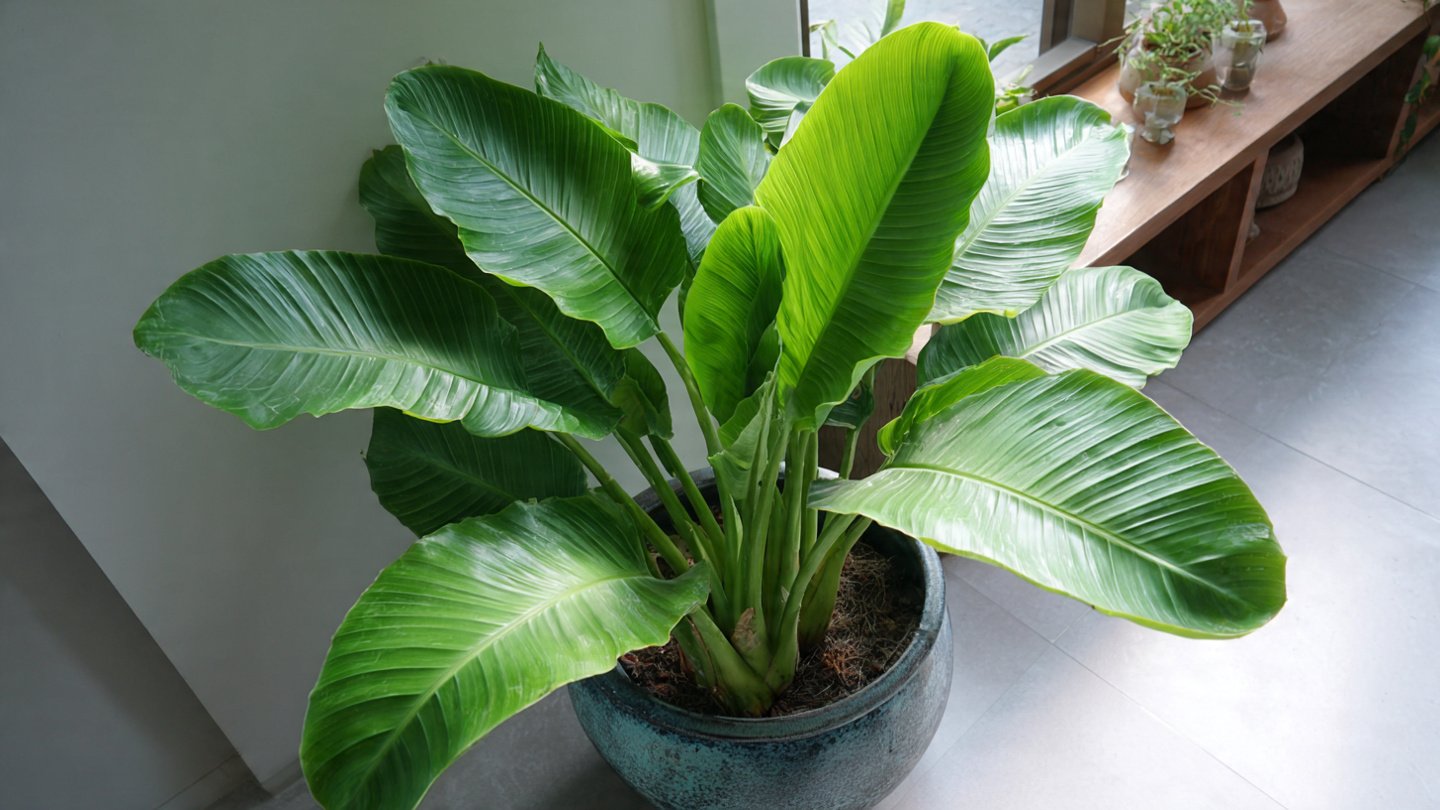
Large leaf plants such as monstera, fiddle leaf figs, philodendrons, and rubber plants are striking additions to any home or office. Their lush foliage not only enhances interior aesthetics but also improves air quality. However, keeping their leaves clean is essential for the plant’s health and appearance. Dust, dirt, and grime can accumulate on the surface, blocking sunlight and interfering with photosynthesis. A simple yet effective method to maintain healthy, shiny leaves is by using a damp cloth. This article will guide you step-by-step on how to clean large leaf plants safely and efficiently.
Why Cleaning Large Leaves Is Important
Many indoor plants, especially those with large leaves, tend to gather dust over time. While a light dusting may seem harmless, buildup can affect the plant in several ways:
- Reduced Photosynthesis – Dust on leaves blocks sunlight, limiting the plant’s ability to produce energy.
- Pest Prevention – Dirty leaves can attract pests like spider mites, aphids, or scale insects.
- Better Appearance – Clean leaves look vibrant and glossy, enhancing your home décor.
- Improved Air Quality – Clean foliage is more efficient at filtering indoor air pollutants.
By cleaning your plants regularly, you not only maintain their visual appeal but also support their overall growth and vitality.
What You’ll Need
Cleaning large leaves doesn’t require specialized equipment. Gather the following items before you start:
- A soft cloth or microfiber towel – Gentle on delicate leaves.
- Lukewarm water – Avoid using hot or cold water, which can shock the plant.
- Mild soap (optional) – A few drops can help remove sticky residues or grime.
- A small bowl – For dipping the cloth in water.
- A spray bottle (optional) – Useful for rinsing if needed.
Tip: Avoid using harsh chemicals or polishes, as these can damage the plant tissue and remove the natural protective coating on leaves.
Step-by-Step Guide to Cleaning Large Leaf Plants
1. Inspect Your Plant
Before cleaning, examine your plant for pests, damaged leaves, or disease. Removing dead or infected leaves first will prevent spreading any issues during cleaning.
2. Prepare the Cloth
Dampen your cloth with lukewarm water. Wring it out well so it is moist but not dripping. A too-wet cloth can cause water to accumulate around the stem or leaf base, increasing the risk of rot.
3. Gently Wipe the Leaves
- Support the leaf with one hand while wiping with the other to avoid tearing.
- Wipe from the base of the leaf to the tip in gentle strokes.
- For very large leaves, work in sections to ensure you clean the entire surface.
Tip: For stubborn dust or sticky spots, add a drop of mild soap to the damp cloth. After wiping, use a clean, damp cloth to remove any soap residue.
4. Clean Both Sides
Dust can accumulate on the underside of leaves as well. Flip the leaf gently and wipe the underside using the same method. This ensures complete cleaning and helps prevent hidden pests.
5. Rinse If Necessary
If soap was used, lightly rinse the leaves with a spray bottle or a gentle stream of lukewarm water. Avoid soaking the soil or base of the plant, as excess water can harm the roots.
6. Dry the Leaves
Pat the leaves dry with a soft cloth or let them air dry in a well-ventilated area. Wet leaves left in low light can promote fungal growth.
Tips for Cleaning Large Leaf Plants Safely
- Frequency: Wipe down your plants every 2–4 weeks or as needed. Dusty environments may require more frequent cleaning.
- Avoid Shine Sprays: Many commercial leaf shine products can clog pores and interfere with photosynthesis.
- Support Fragile Leaves: Large leaves, such as fiddle leaf fig leaves, are prone to tearing. Always support them during cleaning.
- Handle Plants Gently: Avoid tugging or twisting leaves. For climbing plants like monstera, clean leaves in place rather than removing them from the support.
- Monitor for Pests: While cleaning, look for early signs of infestation, such as tiny spots, webbing, or sticky residue.
Alternative Methods for Cleaning
While a damp cloth is the safest method, there are other options depending on your plant and situation:
- Shower Method: Place the plant in the shower and rinse leaves gently with lukewarm water. Ensure proper drainage to avoid waterlogging.
- Spray Bottle: For smaller or delicate leaves, misting with water can remove dust without physical contact.
- Soft Brush: A soft paintbrush can be used to remove fine dust or dirt from crevices or textured leaves.
Common Mistakes to Avoid
- Using Cold or Hot Water: Extreme temperatures can shock leaves, causing brown spots or curling.
- Excess Water Near the Soil: Avoid letting water pool around the base of the plant, which can cause root rot.
- Rubbing Too Hard: Pressing aggressively can bruise or tear leaves. Gentle pressure is enough.
- Skipping the Underside: Many pests hide underneath leaves, so both sides must be cleaned.
Benefits of Regular Leaf Cleaning
Regular maintenance of large leaf plants leads to noticeable benefits:
- Healthier, More Vibrant Foliage: Clean leaves photosynthesize more efficiently, leading to stronger growth.
- Reduced Pest Problems: Clean surfaces make it harder for pests to thrive.
- Enhanced Indoor Air Quality: Healthy leaves remove pollutants more effectively.
- Aesthetic Appeal: Your plants will look fresh, glossy, and well-cared-for.
Conclusion
Cleaning large leaf plants with a damp cloth is a simple, effective routine that supports plant health, pest prevention, and overall aesthetic appeal. By using gentle techniques and proper tools, you can maintain your indoor jungle in optimal condition. Remember to inspect leaves regularly, support fragile foliage, and avoid harsh chemicals. Over time, this simple habit will ensure your plants remain lush, vibrant, and thriving, creating a green oasis in your home or office.