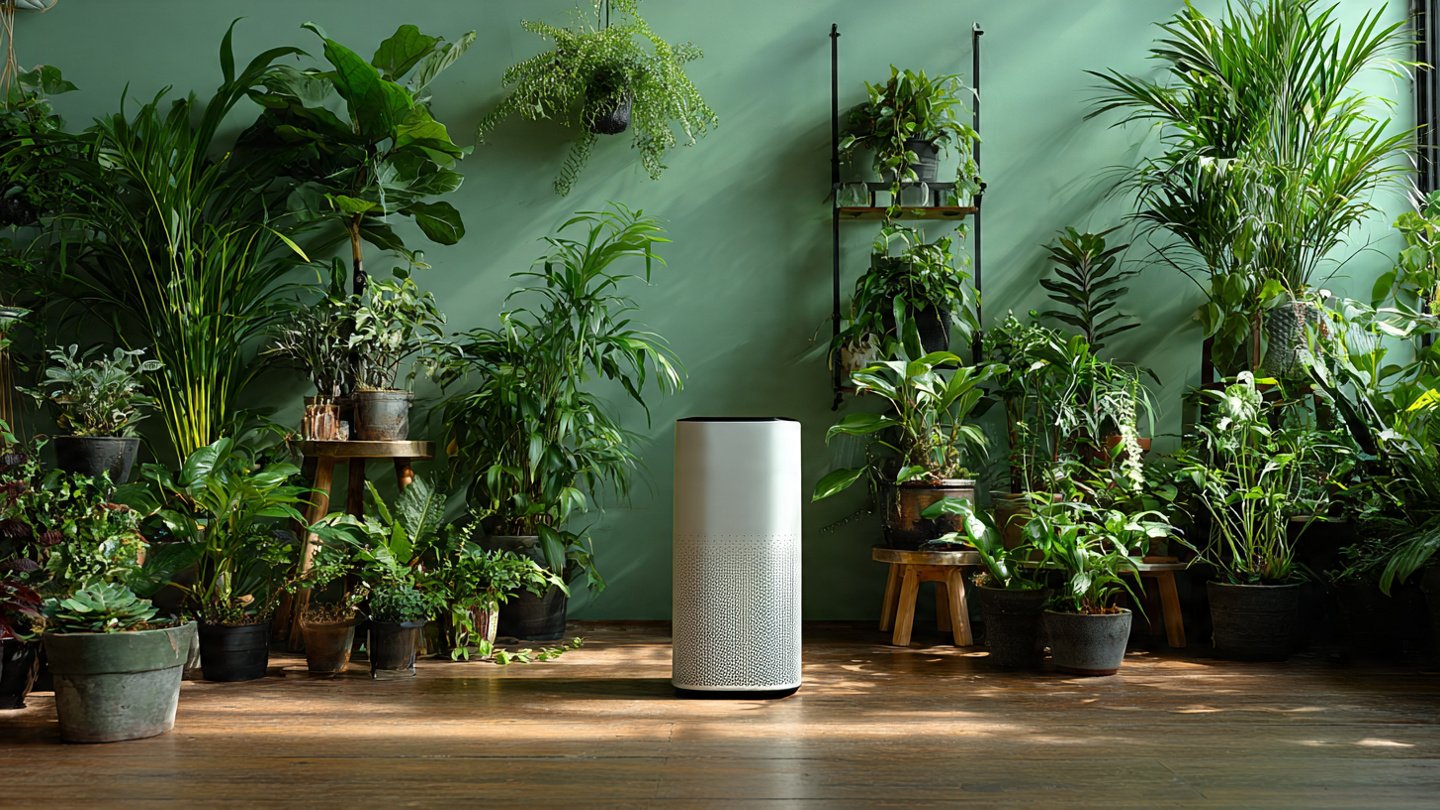
Indoor air quality is a growing concern in today’s world, with pollutants, dust, and allergens accumulating even in the cleanest homes. One of the most effective and natural ways to improve the air you breathe is by cultivating air-purifying plants. These green companions not only enhance the aesthetics of your space but also filter toxins, increase oxygen levels, and boost overall well-being. Growing your own natural air purifiers is both practical and therapeutic, and it can be tailored to fit any space—whether a small apartment, a sunlit balcony, or a spacious living room. This comprehensive guide will help you select, cultivate, and maintain indoor plants that actively clean your air while adding beauty to your home.
Why Indoor Air Purifiers Are Important
Indoor air often contains pollutants such as volatile organic compounds (VOCs), formaldehyde, benzene, and carbon monoxide, emitted from household products, furnishings, and cooking fumes. Poor air quality can lead to headaches, fatigue, allergies, and even respiratory problems over time.
Natural air-purifying plants work in several ways:
- Absorbing toxins: Plants take in harmful gases through their leaves and roots
- Producing oxygen: During photosynthesis, plants release oxygen, refreshing the indoor environment
- Increasing humidity: Some plants release moisture, reducing dust and respiratory irritants
- Promoting well-being: Studies show indoor plants reduce stress and enhance productivity
By cultivating your own air-purifying plants, you create a healthier indoor environment while enjoying the psychological benefits of greenery.
Selecting the Right Air-Purifying Plants
Not all plants are equally effective at cleaning the air. NASA’s Clean Air Study identified several species that excel at filtering toxins. Choosing the right plants ensures maximum air-purifying benefits.
Popular Natural Air Purifiers:
- Snake Plant (Sansevieria trifasciata): Extremely hardy, absorbs formaldehyde, benzene, and trichloroethylene
- Peace Lily (Spathiphyllum): Effective against ammonia, benzene, formaldehyde; also adds elegant blooms
- Areca Palm (Dypsis lutescens): Moisturizes air while filtering pollutants
- Spider Plant (Chlorophytum comosum): Great for beginners, absorbs carbon monoxide and xylene
- Aloe Vera: Detoxifies air and can be used for minor skin treatments
- Boston Fern (Nephrolepis exaltata): Highly effective in humidifying air and removing toxins
Selecting a combination of plants allows you to target a wider range of pollutants and adds variety to your indoor garden.
Choosing the Right Location
Proper placement is crucial for optimal air purification and plant growth.
Location Tips:
- Light: Most air-purifying plants prefer indirect sunlight; some, like snake plants, tolerate low light
- Ventilation: Placing plants near windows or vents ensures better air circulation and toxin absorption
- Accessibility: Choose spots where you can easily water and care for them
- Grouping: Grouping plants increases humidity and can enhance air purification
Children and pets should be considered when placing plants, as some species like peace lilies can be toxic if ingested.
Soil Preparation and Pot Selection
Healthy soil and proper containers are key to maintaining vigorous plants that effectively clean the air.
Soil Tips:
- Use well-draining potting mix enriched with organic matter
- Avoid garden soil, which may contain pests or pathogens
- For palms and ferns, slightly acidic soil works best
Pot Selection:
- Ensure pots have drainage holes to prevent waterlogging
- Terracotta pots allow moisture to evaporate naturally, preventing root rot
- Use larger pots for big plants to accommodate root growth
Good soil and suitable containers provide the foundation for robust plants that efficiently filter indoor air.
Watering Your Air-Purifying Plants
Proper watering is critical to keep indoor plants healthy and active in purifying air.
Watering Guidelines:
- Consistency: Maintain even soil moisture without waterlogging
- Species-specific needs:
- Snake plants and aloe vera prefer drier soil
- Peace lilies and ferns thrive in consistently moist soil
- Humidity: Some air-purifying plants benefit from misting to mimic their natural environment
Overwatering is a common mistake that can lead to root rot, reducing the plant’s ability to absorb toxins.
Fertilizing for Optimal Growth
While air purification does not require heavy fertilization, nutrients are necessary for healthy foliage.
Fertilization Tips:
- Use balanced liquid or slow-release fertilizers every 4–6 weeks during the growing season
- Avoid over-fertilizing, which can damage roots and leaves
- Organic options like compost tea or worm castings promote soil health naturally
Well-fed plants maintain lush foliage, which increases surface area for toxin absorption.
Pruning and Maintenance
Regular maintenance ensures plants continue to function efficiently as natural air purifiers.
Maintenance Tips:
- Remove yellowing or damaged leaves to prevent disease
- Dust leaves regularly with a damp cloth, as dust reduces photosynthesis and toxin absorption
- Check for pests like spider mites or aphids and treat them promptly
Healthy leaves mean higher photosynthetic activity and better air purification.
Maximizing Air Purification
Certain strategies enhance the air-purifying abilities of indoor plants.
Tips for Maximum Effect:
- Multiple plants: Use several small plants or a few large ones to increase overall impact
- Strategic placement: Place plants in rooms with higher pollutant levels, such as kitchens or offices
- Rotation: Occasionally rotate plants to ensure even light exposure and growth
- Group care: Cluster plants together to create microenvironments that increase humidity and efficiency
Combining these strategies ensures your indoor garden is both beautiful and functional.
Fun Ways to Involve the Family
Cultivating air-purifying plants can be an educational and interactive activity for the whole family.
Ideas:
- Planting Days: Let kids plant seeds or repot small plants
- Growth Charts: Track leaf growth and plant health as a science project
- Leaf Cleaning: Make it a weekly activity to wipe leaves and observe dust collection
- Air Quality Monitoring: Compare air quality before and after introducing plants
Engaging everyone in plant care teaches responsibility, science, and environmental awareness.
Common Mistakes to Avoid
- Choosing plants unsuitable for indoor light conditions
- Overwatering or underwatering
- Neglecting soil health and nutrients
- Forgetting to clean leaves or remove dead foliage
Avoiding these errors ensures your natural air purifiers thrive and perform effectively.
Benefits Beyond Air Purification
Air-purifying plants provide additional benefits that enhance your indoor environment:
- Aesthetic appeal: Lush greenery adds beauty and a calming ambiance
- Stress reduction: Studies show indoor plants reduce stress and improve mood
- Productivity boost: Greenery in workspaces can enhance focus and creativity
- Humidity control: Moisture released by plants improves comfort and skin health
Growing your own natural air purifiers offers a holistic improvement to your home environment.
Final Thoughts
Cultivating natural air-purifying plants at home is a practical, sustainable, and rewarding way to improve indoor air quality. By selecting the right species, providing proper light, soil, and water, and maintaining healthy growth through pruning and fertilization, you can create a lush indoor garden that cleans your air while enhancing your living space. Involving children or family members in the process turns it into an educational and bonding experience, teaching care, responsibility, and an appreciation for nature.
With the right approach, your home can become a sanctuary of greenery, where clean air, vibrant plants, and family activities come together for a healthier and happier environment.