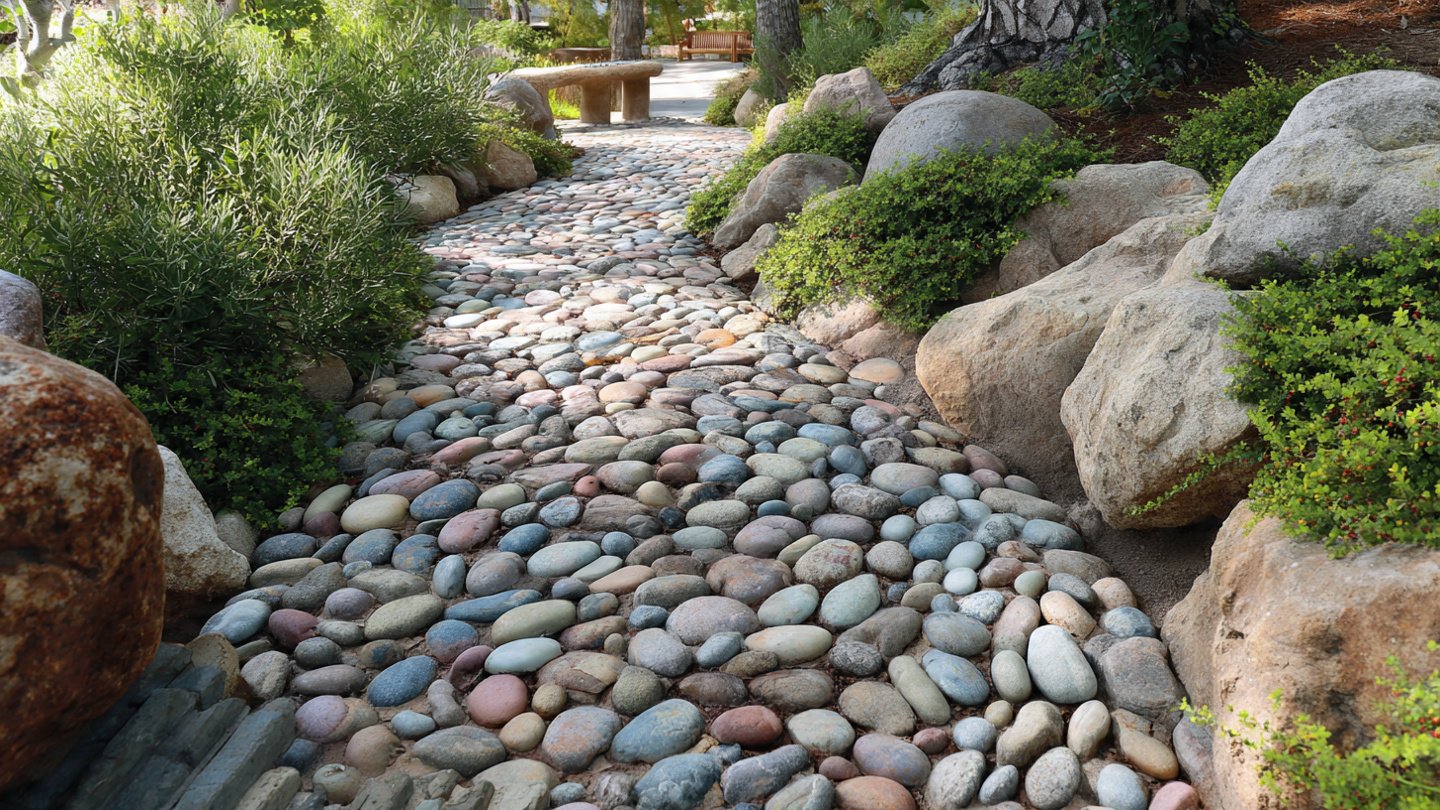
A well-designed garden path not only adds structure and charm to your outdoor space but also makes navigating your garden easier. However, weeds sprouting between stones or pavers can turn a beautiful path into a frustrating maintenance task. If you want the natural elegance of stone without constant weeding, creating a weed-proof garden path that mimics stone is the ideal solution. This guide will show you step by step how to achieve a durable, low-maintenance, and aesthetically pleasing garden path.
Why Consider a Weed-Proof Stone-Like Path?
Garden paths are high-traffic areas that often suffer from soil erosion, mud accumulation, and weed growth. By creating a path that looks like natural stone but resists weeds, you gain several benefits:
- Low Maintenance: Reduces the time spent pulling weeds or using herbicides.
- Aesthetic Appeal: Mimics natural stone, maintaining the organic look of your garden.
- Durability: Properly constructed paths withstand heavy foot traffic and weather changes.
- Improved Drainage: Well-laid paths prevent waterlogging, protecting both your plants and path surface.
Whether your garden is large or a compact backyard, a weed-proof stone path provides a clean, elegant, and functional design element.
Materials You’ll Need
Creating a weed-proof path requires a few specific materials that balance appearance and functionality:
- Weed Barrier Fabric: Prevents weeds from growing while allowing water drainage.
- Sand or Gravel Base: Stabilizes the path and promotes drainage.
- Concrete, Resin, or Stone Pavers: Choose flat, textured pavers for a natural stone look.
- Polymeric Sand (optional): Fills gaps between pavers and hardens to lock them in place.
- Edging Materials: Metal, plastic, or stone to define path borders.
- Shovel, Rake, and Tamper: For digging and leveling the base.
- Broom or Brush: For spreading sand between pavers.
Tip: Selecting pavers with irregular edges or natural textures helps achieve a realistic stone appearance.
Step-by-Step Guide to Building Your Path
1. Plan Your Pathway
Start by mapping the route of your garden path. Use a garden hose, string, or spray paint to outline the path. Consider curves and widths that complement your garden’s layout. A path 2–3 feet wide is comfortable for walking and allows space for planting along the edges.
2. Excavate the Path Area
Remove grass, soil, or existing materials to a depth of about 4–6 inches. The depth may vary depending on the type of pavers and expected foot traffic. Make sure the surface is slightly sloped for drainage, directing water away from buildings or garden beds.
3. Lay a Weed Barrier
Place a high-quality weed barrier fabric across the excavated area. Overlap edges by a few inches to prevent weeds from sneaking through seams. Secure it with landscape staples. This layer will be the first defense against weed growth while allowing water to pass through to the soil below.
4. Add a Base Layer
Pour a 2–3 inch layer of crushed stone or gravel over the fabric. Use a rake to spread it evenly, then compact it using a hand tamper. This base ensures stability and prevents the pavers from sinking over time. A compacted base also enhances drainage, reducing water pooling on the path.
5. Position Your Pavers
Arrange your chosen stone or stone-like pavers on top of the gravel. For a natural look, vary the spacing slightly and avoid perfectly straight lines. You can use stepping stones, large flat pavers, or interlocking stone tiles, depending on your desired aesthetic.
- Check for levelness as you go.
- Adjust the gravel base if needed to ensure the pavers are even.
6. Fill the Gaps
To further prevent weeds and lock pavers in place, fill the gaps with polymeric sand or fine gravel. Spread the sand over the surface, then sweep it into the joints with a broom. Lightly mist the path with water to activate polymeric sand, which hardens to create a stable, weed-resistant fill.
Tip: Avoid using ordinary soil or loose sand between pavers, as this invites weeds.
7. Install Edging
Secure the path edges using metal, plastic, or stone edging. This prevents pavers from shifting over time and keeps gravel or sand in place. Edging also gives your path a polished, professional appearance.
Optional Enhancements
- Moss or Groundcover: Plant low-growing moss or creeping thyme between wide gaps for a natural, “grown-in” look. These plants won’t invade pavers aggressively but add charm.
- Textured Pavers: Use pavers with surface textures, cracks, or irregular shapes to better mimic real stone.
- Lighting: Adding solar or low-voltage lights along the edges enhances safety and aesthetics, especially for evening walks.
- Decorative Gravel Borders: Surround the path with contrasting gravel or small stones to frame the path visually.
Maintenance Tips for a Weed-Proof Path
Even a weed-proof path benefits from some periodic upkeep:
- Sweep leaves and debris regularly to prevent organic matter buildup.
- Check for shifting pavers after heavy rains and adjust as needed.
- Reapply polymeric sand or gravel to joints if erosion occurs.
- Inspect the edges for gaps where weeds might sneak through.
By staying proactive, your stone-like path will remain beautiful and functional for years.
Common Mistakes to Avoid
- Skipping the Weed Barrier: Without it, weeds can grow through gaps and under the pavers.
- Using Too Little Base Material: A thin gravel base leads to sinking or uneven pavers.
- Ignoring Drainage: Flat paths can collect water, causing moss, algae, and shifting stones.
- Uniform Spacing Only: Perfectly even pavers look artificial. Slight variation improves the natural look.
- Overwatering or Poor Soil Prep: Excess moisture or loose soil beneath the path reduces stability.
Conclusion
Creating a weed-proof garden path that mimics stone is achievable with proper planning, materials, and technique. By using a weed barrier, compacted gravel base, stone-like pavers, and polymeric sand, you can build a path that is both beautiful and low-maintenance. Regular upkeep ensures the path remains weed-free, level, and visually appealing.
A well-constructed path enhances garden navigation, highlights your landscaping, and reduces frustration caused by weeds. With the right materials and care, your garden can feature a stunning stone-mimic path that combines elegance, durability, and functionality.