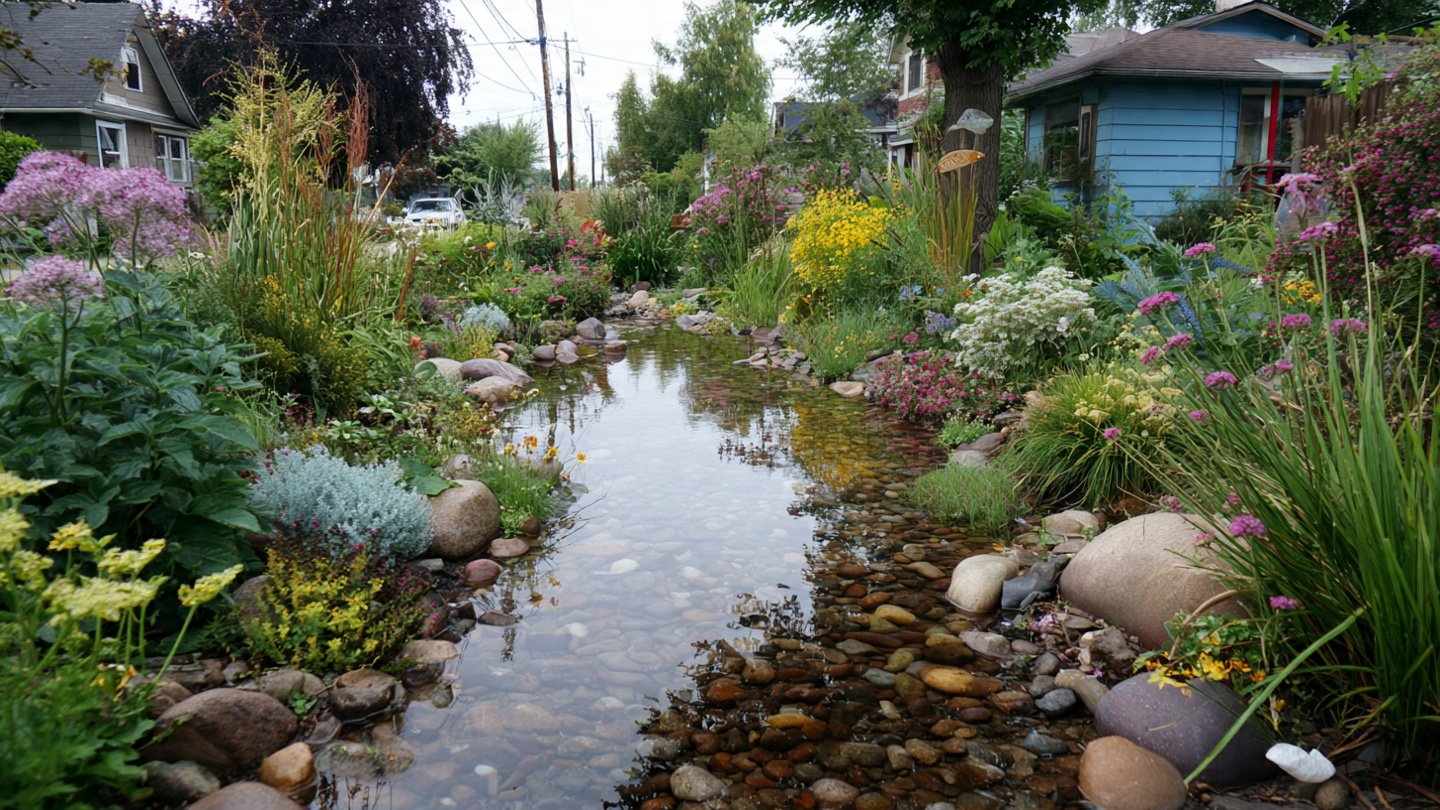
Water conservation is becoming increasingly important for gardeners, homeowners, and communities alike. One of the most effective ways to manage rainwater while simultaneously benefiting your garden is by creating a rain garden. A rain garden is a specially designed, shallow depression in your landscape that captures, absorbs, and filters rainwater from rooftops, driveways, and other impervious surfaces. By incorporating native plants and careful design, a rain garden can reduce runoff, prevent soil erosion, conserve water, and create a thriving habitat for wildlife.
In this article, we will explore the steps to create a rain garden, the benefits it provides, and how it can transform your yard into a sustainable, water-efficient landscape.
What Is a Rain Garden?
A rain garden is essentially a landscaped area designed to temporarily hold and absorb rainwater. Unlike traditional gardens where water runs off into storm drains, a rain garden captures this water, allowing it to soak into the ground. The garden is usually planted with water-tolerant and native plants that can thrive in both wet and dry conditions.
Rain gardens are shallow, often ranging from 4 to 8 inches deep, and are strategically located to intercept rainwater from downspouts, driveways, or patios. The combination of proper grading, soil, and plants ensures that the water infiltrates the soil slowly, replenishing groundwater and preventing pollutants from entering stormwater systems.
Benefits of a Rain Garden
- Water Conservation: Rain gardens reduce the need for supplemental watering by capturing natural rainfall. Native plants in the garden often require less water, making them ideal for sustainable landscaping.
- Reduced Flooding and Runoff: By slowing down rainwater, rain gardens help reduce surface runoff, which can carry pollutants to rivers, lakes, and streams. This minimizes erosion and lowers the risk of localized flooding.
- Pollution Filtration: Rain gardens act as natural filters. Soil and plant roots remove contaminants, such as fertilizers, oil, and heavy metals, from rainwater before it reaches groundwater or waterways.
- Wildlife Habitat: Native plants in a rain garden attract pollinators, birds, and beneficial insects, creating a mini ecosystem that supports biodiversity.
- Aesthetic Appeal: Rain gardens can be designed to enhance the beauty of your landscape. With proper plant selection, they provide seasonal colors, textures, and movement.
Choosing the Right Location
Selecting the proper site is essential for a successful rain garden. Look for an area that naturally collects water or is near a downspout or paved surface. Ensure that it is at least 10 feet away from your home’s foundation to avoid water damage. Avoid areas with poor drainage or extremely compacted soil unless you plan to amend it.
Sun exposure is also an important consideration. Most rain gardens thrive in full sun to partial shade. Observe your yard throughout the day to identify areas that receive adequate light for the plants you plan to use.
Planning the Size and Shape
The size of your rain garden depends on the amount of runoff you expect and the size of your yard. A common rule of thumb is to make the garden 20% to 30% the size of the area that drains into it. For example, if your roof and driveway total 1,000 square feet, a 200–300 square foot rain garden is appropriate.
Shape is flexible and can be designed to fit your landscape. Curved or irregular shapes tend to blend naturally with the surroundings. Remember that the garden should have a shallow depression in the center to temporarily hold water.
Preparing the Soil
Soil preparation is crucial for water absorption. Ideally, the soil should be well-draining yet capable of retaining some moisture. Clay-heavy soil may require amendment with compost or sand to improve infiltration. Loamy soil is often ideal for a rain garden.
Before planting, remove existing grass or weeds from the area. Then, gently loosen the soil to allow water to penetrate more easily. The center of the garden should be slightly deeper than the edges to create a natural basin.
Selecting the Right Plants
Plant selection is the heart of a successful rain garden. Native species are preferred because they are adapted to local climate and soil conditions, making them more drought-tolerant once established. Choose a mix of plants suited for the different moisture zones within your rain garden:
- Wet Zone (Center): Plants that can tolerate standing water for short periods, such as blue flag iris, swamp milkweed, or cardinal flower.
- Moist Zone (Middle): Plants that thrive in damp soil but can handle occasional dryness, such as coneflowers, sedges, or ferns.
- Dry Zone (Edges): Plants that tolerate less water, like black-eyed Susans, prairie grasses, or lavender.
Layering plants with different heights, textures, and bloom times can create visual appeal while supporting wildlife. Deep-rooted plants also help improve soil structure and water infiltration.
Planting and Mulching
Planting should follow the zones you have planned. Start with the center, planting water-loving species first, then work your way outward to drier zones. Space plants according to their mature size to avoid overcrowding.
Mulching is essential to retain moisture, suppress weeds, and reduce soil erosion. Use a natural mulch like shredded bark, wood chips, or straw. Apply 2–3 inches, being careful not to bury plant crowns. Mulch will gradually break down, improving soil fertility over time.
Maintaining Your Rain Garden
A rain garden requires some maintenance, especially during the first year as plants establish roots. Key tasks include:
- Watering: While native plants are drought-tolerant, young plants may need supplemental watering during dry periods.
- Weeding: Remove invasive weeds to prevent competition.
- Mulch Renewal: Replenish mulch annually to maintain its protective benefits.
- Monitoring Drainage: Ensure water flows correctly into and out of the garden without pooling excessively for more than 48 hours.
Once established, maintenance is minimal. The garden will largely take care of itself, conserving water while supporting a healthy ecosystem.
Additional Tips for Success
- Install a rain barrel or redirect gutter downspouts to feed your rain garden. This helps maximize water capture and reduces runoff.
- Avoid planting invasive species, as they can disrupt the local ecosystem. Stick to native or regionally adapted plants.
- Incorporate rocks, logs, or shallow terraces to slow water flow and add aesthetic interest.
- Observe how wildlife interacts with your garden. Birds, bees, and butterflies can indicate a thriving ecosystem.
Conclusion
A rain garden is more than just a water-saving feature; it is an ecological tool that transforms your yard into a vibrant, sustainable landscape. By capturing and filtering rainwater, improving soil health, supporting wildlife, and conserving resources, rain gardens create a win-win scenario for both the environment and gardeners.
With careful planning, appropriate plant selection, and thoughtful maintenance, you can create a rain garden that not only conserves water but also enhances the beauty and resilience of your landscape. Whether you have a small backyard or a larger property, a rain garden is a practical, eco-friendly way to turn every drop of rain into a valuable resource for your garden and local ecosystem.