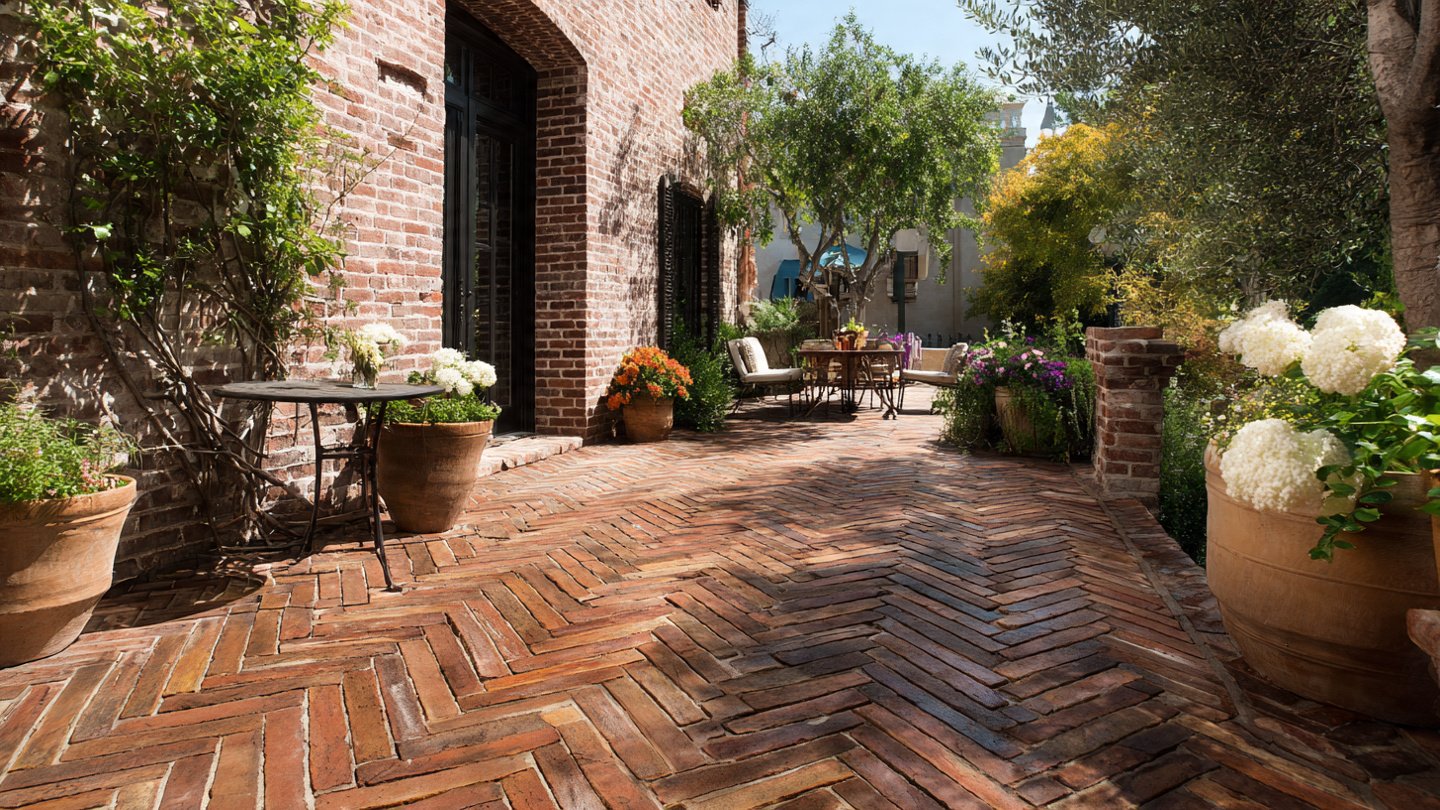
A patio can transform your backyard into a functional and visually stunning outdoor space. One of the most charming and classic designs is the basketweave pattern, which combines symmetry and texture to create a timeless look. Using old or recycled bricks not only adds character but is also an eco-friendly and cost-effective way to build a durable patio.
This comprehensive guide will walk you through the steps of crafting a basketweave patio pattern, from planning and preparing the site to laying bricks and finishing the project with professional-looking results.
Why Choose a Basketweave Pattern?
The basketweave pattern is a classic design where pairs of bricks are laid perpendicular to each other, creating a woven effect. This pattern is ideal for patios because:
- Visual Appeal – Its repetitive, interlocking design adds depth and sophistication.
- Versatility – Works with different brick colors, sizes, and textures.
- Durability – Properly installed bricks can handle foot traffic and outdoor conditions for years.
- Eco-Friendly – Using recycled bricks reduces waste and adds rustic charm.
Compared to simple linear brick layouts, the basketweave pattern stands out, giving your patio a timeless, elegant look.
Planning Your Basketweave Patio
Before you start laying bricks, careful planning is essential.
1. Measure and Design
- Determine the area for your patio.
- Sketch the layout, ensuring the pattern will fit evenly within the space.
- Consider border options, such as soldier courses (bricks laid in a single direction along the edge), to frame the basketweave pattern.
2. Choose Your Bricks
- Use old or reclaimed bricks for a rustic look.
- Check each brick for cracks or chips. Only solid, durable bricks should be used.
- Mix colors and textures for a more dynamic, natural appearance.
3. Gather Tools and Materials
You’ll need:
- Recycled bricks
- Sand (for base and joints)
- Gravel (for drainage)
- String lines and stakes (for alignment)
- Rubber mallet
- Level
- Shovel and rake
- Broom
Having everything prepared before you start ensures a smooth workflow.
Preparing the Patio Base
A solid base is critical to ensure your patio lasts for years without sinking or shifting.
1. Excavate the Area
- Remove grass, soil, and debris to a depth of 6–8 inches.
- Slope the patio slightly (about 1/4 inch per foot) away from your house for proper drainage.
2. Lay a Gravel Base
- Spread 3–4 inches of crushed gravel evenly across the excavated area.
- Compact the gravel using a hand tamper or plate compactor.
3. Add a Sand Layer
- Spread 1–2 inches of coarse sand over the gravel.
- Level it using a straight board or screed.
- This sand layer allows you to adjust bricks as you lay them and prevents movement over time.
Laying Bricks in a Basketweave Pattern
Once the base is ready, you can start arranging bricks in the desired pattern.
1. Understand the Pattern
- The basketweave consists of pairs of bricks laid horizontally, alternating with pairs laid vertically.
- Each “weave” forms a square that interlocks with surrounding squares, creating the woven effect.
2. Start from a Corner
- Begin laying bricks from one corner of the patio to maintain alignment.
- Use string lines to guide straight rows and keep the pattern consistent.
3. Lay Bricks Carefully
- Place the first pair of bricks horizontally, then the next pair vertically.
- Continue alternating pairs across the row.
- Use a rubber mallet to tap each brick gently into the sand, ensuring it is level.
4. Check Alignment Frequently
- Use a level to make sure bricks are even.
- Adjust as needed by adding or removing sand beneath the bricks.
- Keep spacing consistent between bricks, usually about 1/4 inch for joint sand.
Finishing the Patio
Once all bricks are laid, proper finishing ensures durability and a polished look.
1. Fill Joints with Sand
- Spread fine sand over the surface.
- Use a broom to sweep sand into the joints between bricks.
- Compact the bricks by walking over the patio or using a plate compactor, then add more sand if needed.
2. Water the Patio
- Lightly mist the surface with water to help sand settle into the joints.
- Repeat the sanding and compacting process if gaps remain.
3. Optional Sealant
- For added protection and to prevent weed growth, you can apply a sealant suitable for bricks.
- Sealants also enhance the colors and texture of old bricks, giving your patio a fresh look.
Tips for a Professional-Looking Patio
- Mix Brick Colors – Using varied shades adds depth and rustic charm.
- Create a Border – Lay a single line of bricks around the edge to frame the pattern.
- Maintain Consistent Spacing – Uniform gaps improve appearance and allow proper joint filling.
- Work in Small Sections – Prevents sand from washing away and makes adjustments easier.
- Keep Bricks Clean – Brush off sand and debris regularly to maintain a neat finish.
Maintenance of a Basketweave Brick Patio
Maintaining your patio ensures it stays beautiful and functional for years.
- Replenish Sand – Add sand to joints annually or as needed.
- Remove Weeds – Use a non-toxic weed control solution or pull weeds manually.
- Clean Bricks – Sweep or hose off dirt and debris. Avoid harsh chemicals that can damage old bricks.
- Inspect for Shifting – Realign any bricks that have sunk or moved.
Regular maintenance preserves both the appearance and structural integrity of your patio.
Benefits of Using Recycled Bricks
- Eco-Friendly – Reduces waste and reuses materials.
- Cost-Effective – Significantly cheaper than purchasing new pavers.
- Unique Aesthetic – Weathered bricks add character and history to your patio.
- Durability – Old bricks are often stronger and more weather-resistant than some modern alternatives.
A basketweave patio made from recycled bricks combines sustainability with style.
Final Thoughts
Crafting a basketweave patio using old bricks is a rewarding project that blends creativity, sustainability, and practicality. With careful planning, proper base preparation, and attention to detail during installation, you can achieve a patio that is both durable and visually stunning.
This design is perfect for outdoor entertaining, garden seating areas, or even pathways. The woven texture of the basketweave pattern highlights the rustic charm of recycled bricks, adding a timeless appeal to your garden.
With a little patience and the right techniques, you can turn old bricks into a beautiful, functional patio that enhances your outdoor living space for years to come.