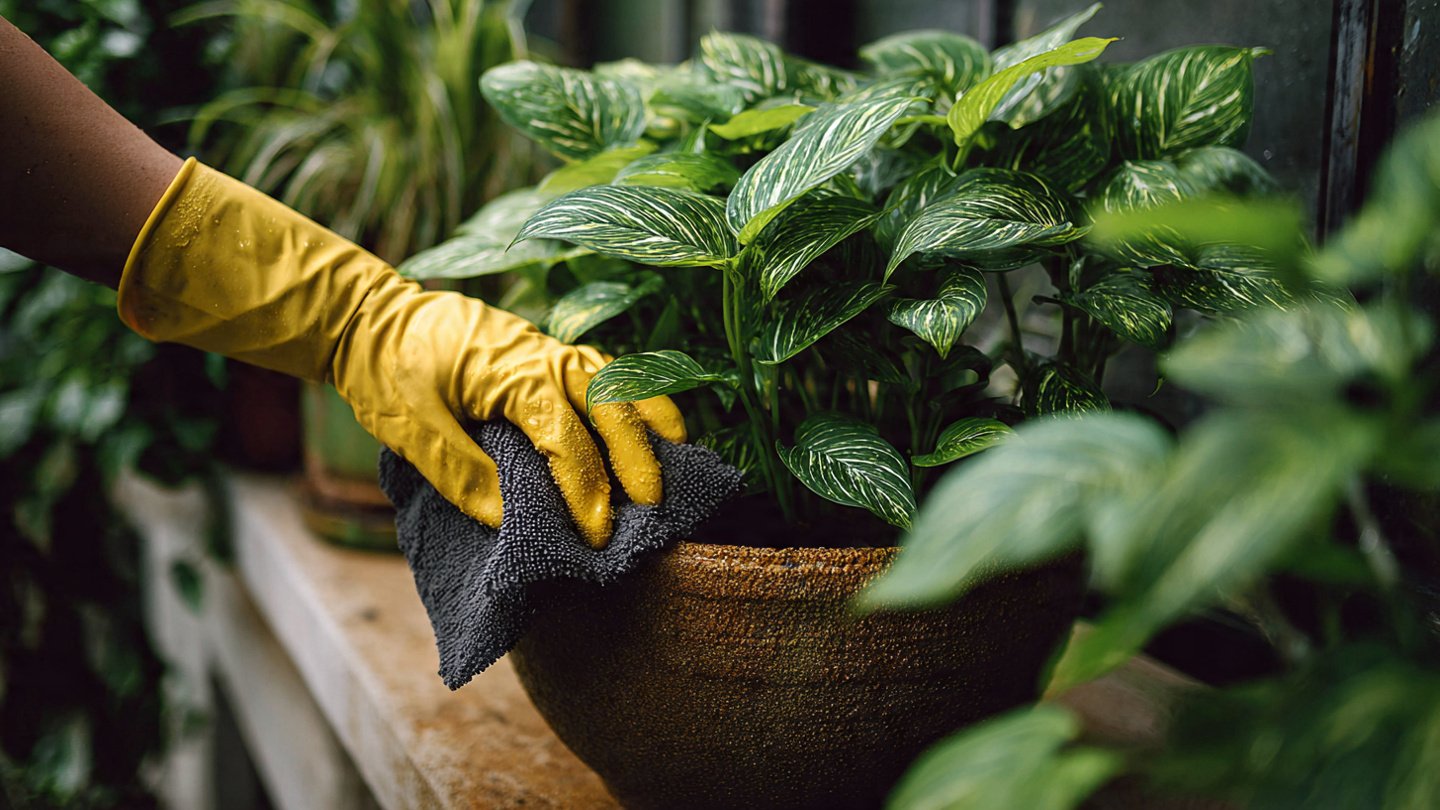
Plant pots play a far bigger role in plant health than many gardeners realize. Whether you’re growing herbs on a balcony, nurturing houseplants indoors, or tending a backyard garden, clean pots are essential for strong roots, disease prevention, and vigorous growth. Over time, pots accumulate mineral salts, algae, mold, bacteria, and lingering pathogens that can harm plants—especially when pots are reused. The good news is that you don’t need harsh chemicals to restore them. With simple natural ingredients and a little care, you can clean your plant pots safely and effectively.
This guide walks you through why cleaning plant pots matters, what natural materials work best, and step-by-step methods to keep your containers fresh and plant-friendly.
Why Cleaning Plant Pots Is So Important
Dirty pots aren’t just unsightly—they can actively harm your plants. Old soil residue can contain fungal spores, insect eggs, or disease-causing bacteria that infect new plants. Mineral salts from fertilizers often build up on pot surfaces, especially in clay and terracotta containers, leading to root burn and poor water absorption.
Reusing unclean pots may cause:
- Stunted plant growth
- Yellowing leaves
- Root rot
- Increased pest infestations
- Poor drainage and compacted soil
Cleaning pots between plantings creates a healthy environment that gives new plants the best possible start.
When Should You Clean Plant Pots?
The best times to clean your plant pots include:
- After harvesting vegetables or removing old plants
- Before repotting houseplants
- When buying secondhand or recycled pots
- At the beginning and end of the growing season
If you notice white crusty buildup, green algae, or a sour smell from the pot, it’s time for a thorough clean.
Natural Ingredients That Work Wonders
You likely already have effective cleaning agents in your home. These natural solutions are safe, inexpensive, and environmentally friendly.
White Vinegar
Vinegar is excellent for dissolving mineral salts and killing bacteria. It works especially well on terracotta and ceramic pots with stubborn residue.
Baking Soda
Mildly abrasive and antibacterial, baking soda removes grime without scratching surfaces.
Lemon Juice
Naturally acidic, lemon juice cuts through buildup and leaves pots smelling fresh.
Salt
Coarse salt works well as a scrub for tough stains and algae growth.
Hot Water
Heat helps loosen dirt, kills pathogens, and makes scrubbing easier.
Step-by-Step: How to Clean Plant Pots Naturally
Step 1: Remove Loose Dirt
Knock out old soil and roots. Use a brush or your hands to remove debris stuck to the sides or drainage holes.
Step 2: Soak the Pots
Fill a large container with warm water and add:
- 1 part white vinegar to 3 parts water
Soak pots for 30–60 minutes. This softens residue and kills bacteria.
Step 3: Scrub Gently
Use a stiff brush, sponge, or old toothbrush to scrub inside and outside the pot. For stubborn spots, sprinkle baking soda directly onto the surface and scrub.
Step 4: Rinse Thoroughly
Rinse with clean water to remove vinegar, loosened dirt, and residue. Make sure drainage holes are completely clear.
Step 5: Air Dry Completely
Let pots dry in the sun if possible. Sunlight adds an extra layer of natural sterilization and prevents mold from forming.
Cleaning Terracotta vs. Plastic Pots
Terracotta Pots
These are porous and absorb salts and moisture easily. Soaking is especially important. Avoid harsh scrubbing that could damage the surface.
Plastic Pots
Plastic is non-porous and easier to clean. A quick soak and scrub usually removes all residue. Avoid excessive heat, which may warp the pot.
Ceramic or Glazed Pots
These resist buildup but still benefit from soaking. Check for cracks where bacteria can hide.
How to Disinfect Pots Naturally After Disease
If a plant died from disease or pests, extra care is needed.
- Soak pots longer (up to 2 hours) in vinegar solution
- Scrub thoroughly, especially around rims and drainage holes
- Rinse and sun-dry for a full day
This reduces the risk of reinfecting future plants without using chemical disinfectants.
Preventing Buildup in the Future
Keeping pots clean doesn’t end with washing. These habits help extend cleanliness:
- Flush soil occasionally with plain water to remove salt buildup
- Use organic fertilizers that leave fewer residues
- Empty saucers after watering to prevent algae growth
- Rotate and clean pots seasonally
Regular maintenance saves time and protects plant health.
Can You Clean Pots Without Soaking?
Yes—especially for lightly used pots. A quick scrub with baking soda and warm water works well for routine cleaning. However, soaking is recommended for older or heavily used containers.
Are Chemical Cleaners Ever Necessary?
For most home gardening situations, natural methods are more than sufficient. Chemical cleaners may leave residues harmful to roots and soil microbes. Natural solutions are safer for edible plants, pets, and the environment.
Benefits of Naturally Clean Pots
Using natural methods offers multiple advantages:
- Safer for plants and soil life
- Eco-friendly and biodegradable
- Affordable and readily available
- No chemical residue risks
- Encourages healthier root systems
Clean pots help plants absorb nutrients efficiently, develop stronger roots, and resist disease.
Final Thoughts
Cleaning your plant pots naturally and effectively is one of the simplest yet most impactful gardening practices. It protects your plants from disease, improves soil health, and extends the life of your containers—all without harsh chemicals. By using everyday ingredients like vinegar, baking soda, and sunlight, you can maintain a clean, safe growing environment year after year.
Healthy plants begin with healthy containers. A little effort in cleaning your pots goes a long way toward greener leaves, stronger growth, and more successful gardening overall.